मध्य प्रदेश का बाणसागर बांध; मध्य प्रदेश, उत्तर प्रदेश और बिहार को जोड़ने वाली सोन-बेसिन व्यवस्था का प्रत्यक्ष अवसंरचनात्मक संदर्भ।Bansagar Dam in Madhya Pradesh; direct infrastructure context for the Sone-basin agreement linking Madhya Pradesh, Uttar Pradesh and Bihar.छायाचित्र: Maywe46 · CC0 1.0Photograph: Maywe46 · CC0 1.0चित्र स्रोतImage source
सोन नदी बेसिन — अंतर-राज्यीय जल-वितरण और बाणसागर में उत्तर प्रदेश
Sone River Basin — Inter-State Water Sharing and Uttar Pradesh in Bansagar
31 अगस्त 2026 को शाम 6:27 बजे नई दिल्ली में बिहार और झारखंड की सरकारों ने सोन नदी के जल-बंटवारे पर समझौता ज्ञापन पर हस्ताक्षर किए। यह समझौता केंद्रीय गृह एवं सहकारिता मंत्री अमित शाह, झारखंड के मुख्यमंत्री हेमंत सोरेन, बिहार के मुख्यमंत्री सम्राट चौधरी और केंद्रीय जलशक्ति मंत्री सी. आर. पाटिल की उपस्थिति में हुआ; केंद्र और दोनों राज्यों के वरिष्ठ अधिकारी भी उपस्थित थे।
गृह मंत्रालय के अनुसार इस समझौते से लगभग 25 वर्ष से चला आ रहा जल-विवाद सुलझा। इससे बिहार के भोजपुर, बक्सर, रोहतास, कैमूर, औरंगाबाद, अरवल, गया और पटना सहित बड़े क्षेत्र तथा झारखंड के पलामू, गढ़वा और अन्य क्षेत्रों में सिंचाई और पेयजल उपलब्धता बढ़ाने का आधार बनेगा। केंद्र सरकार ने इसे 2026 में संवाद और अंतर-राज्य परिषद की प्रक्रिया से संपन्न चौथा अंतर-राज्यीय जल समझौता बताया।
सोन नदी तंत्र का उत्तर प्रदेश से भी सीधा संबंध बाणसागर परियोजना के माध्यम से है। केंद्रीय जल आयोग में सुरक्षित 1973 के बाणसागर समझौते में मध्य प्रदेश, उत्तर प्रदेश और तत्कालीन अविभाजित बिहार सहभागी राज्य थे तथा उत्तर प्रदेश के लिए सोन जल और बाणसागर भंडारण का निर्धारित हिस्सा दर्ज किया गया था। इस प्रकार अगस्त 2026 का बिहार–झारखंड समझौता अंतर-राज्यीय नदी बेसिन में जल-वितरण, सिंचाई नियोजन और संघीय समन्वय की व्यापक ऐतिहासिक व्यवस्था से जुड़ता है।
नदी बेसिन और प्रशासनिक सीमा
नदी बेसिन वह भू-क्षेत्र है जिसका जल मुख्य नदी और उसकी सहायक नदियों में प्रवाहित होता है। इसकी सीमा स्थलरूप और जल-विभाजक से बनती है, जबकि राज्य-सीमाएं राजनीतिक होती हैं। इसलिए एक ही सोन बेसिन में ऊपर की ओर भंडारण, सहायक नदियां, सिंचाई तंत्र और नीचे की ओर उपयोगकर्ता अलग-अलग राज्यों में हो सकते हैं; जल-वितरण समझौता इस भौतिक एकता को प्रशासनिक व्यवस्था देता है, उसे बनाता नहीं।
On 31 August 2026 at 6:27 PM, the Governments of Bihar and Jharkhand signed a Memorandum of Understanding in New Delhi on sharing the waters of the Sone River. The agreement was signed in the presence of Union Home and Cooperation Minister Amit Shah, Jharkhand Chief Minister Hemant Soren, Bihar Chief Minister Samrat Choudhary and Union Jal Shakti Minister C. R. Patil, along with senior Union and State officials.
The Ministry of Home Affairs described the settlement as resolving a water dispute that had continued for nearly 25 years. The agreement is intended to improve irrigation and drinking-water availability in Bihar districts including Bhojpur, Buxar, Rohtas, Kaimur, Aurangabad, Arwal, Gaya and Patna, and in Palamu, Garhwa and other areas of Jharkhand. The Union Government identified the negotiated settlement as the fourth inter-State water agreement reached during 2026 through dialogue and the Inter-State Council process.
The Sone basin also has a direct Uttar Pradesh connection through the Bansagar Project. A Central Water Commission record of the 1973 Bansagar agreement shows Madhya Pradesh, Uttar Pradesh and the then undivided Bihar as participating States; it allocated a specified share of Sone waters and Bansagar storage to Uttar Pradesh. The August 2026 Bihar–Jharkhand MoU therefore sits within a wider inter-State river-basin history involving negotiated allocation, irrigation planning and federal coordination.
River basin and administrative boundary
A river basin is the land area drained by a main river and its tributaries. Its boundary follows relief and drainage divides, whereas State boundaries are political. Upstream storage, tributaries, irrigation systems and downstream users in the Sone basin can therefore lie in different States; a water-sharing agreement administratively manages this physical unity rather than creating it.
1 सितंबर 2026 को बिश्केक में SCO Plus बैठक का सामूहिक चित्र; 2026 SCO शिखर सम्मेलन का प्रत्यक्ष संदर्भ।Family photograph from the SCO Plus meeting in Bishkek on 1 September 2026; direct context for the 2026 SCO summit.छायाचित्र: Press Service of the President of the Republic of Azerbaijan · CC BY 4.0Photograph: Press Service of the President of the Republic of Azerbaijan · CC BY 4.0चित्र स्रोतImage source
शंघाई सहयोग संगठन — बिश्केक 2026, निर्णयकारी संस्थाएं और RATS
Shanghai Cooperation Organisation — Bishkek 2026, Decision-Making Bodies and RATS
Shanghai Cooperation Organisation (SCO) के राष्ट्राध्यक्ष परिषद की 26वीं बैठक1 सितंबर 2026 को बिश्केक, किर्गिज गणराज्य के Yrys-Ordo Congress Hall में किर्गिज राष्ट्रपति सादिर जापारोव की अध्यक्षता में हुई। भारत का प्रतिनिधित्व प्रधानमंत्री नरेंद्र मोदी ने किया। बैठक में राजनीति और सुरक्षा, व्यापार और निवेश, ऊर्जा, उद्योग, पर्यावरण, पर्यटन, नई प्रौद्योगिकियों तथा संगठनात्मक सुधार से जुड़े विषयों पर विचार हुआ।
बैठक में बिश्केक घोषणा सहित 28 दस्तावेज स्वीकृत किए गए। इनमें SCO Charter में संशोधन और पूरक प्रावधानों का प्रोटोकॉल तथा आपदाओं से प्रभावित देशों की सहायता पर राष्ट्राध्यक्ष परिषद का वक्तव्य भी शामिल था। नेताओं ने सदस्य देशों की सुरक्षा संबंधी चुनौतियों और खतरों से निपटने के लिए एक Universal Centre तथा SCO Anti-Drug Centre की Executive Committee से जुड़े प्रावधानों को भी मंजूरी दी।
इस शिखर सम्मेलन के साथ 2025–26 की किर्गिज अध्यक्षता पूरी हुई और 2026–27 की अध्यक्षता पाकिस्तान को मिली। पाकिस्तान ने अपनी अध्यक्षता का विषय “Turning Vision into Action: Connectivity, Innovation and Shared Prosperity” घोषित किया। लाहौर को 2026–27 के लिए SCO Tourism and Cultural Capital का दर्जा दिया गया। इसी अवसर पर सदस्य देशों, मंगोलिया, संवाद भागीदारों और आमंत्रित अंतरराष्ट्रीय संगठनों की भागीदारी के साथ “SCO Plus” बैठक भी हुई।
संस्था, अध्यक्षता और बैठक में अंतर
SCO की स्थापना, उसकी वार्षिक अध्यक्षता और किसी तिथि पर हुई राष्ट्राध्यक्ष परिषद की बैठक अलग संस्थागत स्तर हैं। 2001 में बना संगठन स्थायी है; अध्यक्षता सदस्य देशों के बीच बदलती है; बिश्केक की 2026 बैठक उसी स्थायी ढांचे के भीतर निर्णय लेने की घटना थी। इससे किसी शिखर बैठक को संगठन की स्थापना या किसी अध्यक्षता-परिवर्तन को सदस्यता-परिवर्तन समझने की त्रुटि दूर होती है।
The 26th meeting of the Council of Heads of State of the Shanghai Cooperation Organisation (SCO) was held on 1 September 2026 at the Yrys-Ordo Congress Hall in Bishkek, Kyrgyz Republic, under the chairmanship of Kyrgyz President Sadyr Japarov. Prime Minister Narendra Modi represented India alongside the leaders of the other SCO member states. The agenda covered political and security cooperation, trade and investment, energy, industry, ecology, tourism, new technologies and institutional reform.
The meeting approved 28 documents, including the Bishkek Declaration, a protocol amending and supplementing the SCO Charter, and a statement on assistance to states affected by emergencies. The leaders also approved provisions for a Universal Centre for Countering Challenges and Threats to the Security of SCO Member States and for the Executive Committee of an SCO Anti-Drug Centre.
The summit concluded Kyrgyzstan’s 2025–26 chairmanship. The chairmanship for 2026–27 passed to Pakistan, whose announced theme is “Turning Vision into Action: Connectivity, Innovation and Shared Prosperity”. Lahore was designated the SCO Tourism and Cultural Capital for 2026–27. An “SCO Plus” meeting was also held with the participation of member states, Mongolia, dialogue partners and invited international organisations.
Institution, chairmanship and summit are different layers
The SCO’s founding, its rotating chairmanship, and a dated Council of Heads of State meeting are different institutional layers. The organisation created in 2001 is continuing; chairmanship rotates among members; the 2026 Bishkek summit was a decision-making event within that continuing structure. A summit is therefore neither the founding of the organisation nor a change in membership by itself.
भारत के सर्वोच्च न्यायालय का भवन; अनुच्छेद 142 के अंतर्गत न्यायालय की शक्ति का संस्थागत संदर्भ।Supreme Court of India building; institutional context for the Court’s power under Article 142.छायाचित्र: Pinakpani · CC BY-SA 4.0Photograph: Pinakpani · CC BY-SA 4.0चित्र स्रोतImage source
अनुच्छेद 142 — पूर्ण न्याय और सर्वोच्च न्यायालय की संवैधानिक शक्तियां
Article 142 — Complete Justice and the Supreme Court’s Constitutional Powers
1 सितंबर 2026 को भारत के Supreme Court ने NEET से जुड़े 20 से 25 जुलाई 2026 के छात्र प्रदर्शनों के संबंध में देश के विभिन्न हिस्सों में दर्ज FIR को बंद करने का आदेश दिया। न्यायालय ने निर्देश दिया कि उसके आदेश के दायरे में आने वाले मामलों की आगे जांच या पैरवी न की जाए और उस अवधि के संबंधित प्रदर्शन-प्रकरणों में कोई राज्य या केंद्रशासित प्रदेश नई FIR दर्ज न करे।
यह राहत प्रत्येक प्रदर्शन में उपस्थित हर व्यक्ति पर लागू नहीं की गई। न्यायालय ने दिल्ली पुलिस को Jantar Mantar प्रदर्शन से जुड़े 2,873 व्यक्तियों के विरुद्ध 1 FIR आगे बढ़ाने की अनुमति दी, क्योंकि न्यायालय के समक्ष उपलब्ध सामग्री में उनके गंभीर आपराधिक पूर्ववृत्त बताए गए थे। पीठ में भारत के मुख्य न्यायाधीश सूर्यकांत तथा न्यायमूर्ति जॉयमाल्य बागची और वी. मोहना शामिल थे।
निर्देश संविधान के अनुच्छेद 142 की शक्ति का उपयोग करके दिए गए, जो Supreme Court को लंबित वाद या मामले में पूर्ण न्याय के लिए आवश्यक आदेश पारित करने की शक्ति देता है। पीठ ने स्पष्ट किया कि राहत मामले की विशेष परिस्थितियों में दी गई है और इसे नजीर नहीं माना जाएगा। न्यायालय ने केंद्र सरकार का यह कथन भी दर्ज किया कि NEET-UG 2026 रद्द होने के बाद आत्महत्या से मृत विद्यार्थियों के परिवारों के लिए 3 महीने के भीतर क्षतिपूर्ति नीति बनाई जाएगी।
मामले-विशिष्ट राहत और बाध्यकारी विधि
अनुच्छेद 141 के अंतर्गत सर्वोच्च न्यायालय द्वारा घोषित विधि सभी न्यायालयों पर बाध्यकारी होती है, जबकि अनुच्छेद 142 किसी लंबित वाद या मामले में पूर्ण न्याय के लिए आवश्यक आदेश की शक्ति देता है। 1 सितंबर के आदेश में पीठ ने राहत को विशेष परिस्थितियों से जोड़ा और उसे नजीर न मानने की बात कही। इसलिए मामले-विशिष्ट न्यायिक राहत और सामान्य बाध्यकारी विधि एक ही अवधारणा नहीं हैं।
On 1 September 2026, the Supreme Court of India ordered closure of FIRs registered across the country in relation to student protests connected with the NEET issue held from 20 to 25 July 2026. The Court directed that the cases covered by its order should not be pursued or investigated further and that no State or Union Territory should register fresh FIRs for the protest incidents falling within that period.
The order did not cover every person present at every protest. The Court permitted the Delhi Police to continue one FIR concerning 2,873 individuals at the Jantar Mantar protest who, according to the material before the Court, had serious criminal antecedents. The Bench comprised Chief Justice of India Surya Kant and Justices Joymalya Bagchi and V. Mohana.
The directions were issued by invoking Article 142 of the Constitution, which empowers the Supreme Court to pass orders necessary for doing complete justice in a cause or matter pending before it. The Bench expressly said that the relief was being granted in the peculiar facts and circumstances and would not be treated as a precedent. It also recorded the Union Government’s statement that a compensation policy for families of students who died by suicide following cancellation of NEET-UG 2026 would be formulated within three months.
Case-specific relief and binding law
Article 141 makes the law declared by the Supreme Court binding on all courts, whereas Article 142 empowers the Court to make an order necessary for complete justice in a pending cause or matter. In the 1 September order the Bench tied the relief to the peculiar circumstances and stated that it was not to be treated as a precedent. Case-specific relief and generally binding declared law are therefore distinct concepts.
2003 में नई दिल्ली में CARA द्वारा आयोजित अंतरराष्ट्रीय दत्तक ग्रहण बैठक; दत्तक ग्रहण शासन का संस्थागत संदर्भ, 2026 जागरूकता शुभारंभ का चित्र नहीं।International Meet on Adoption organised by CARA in New Delhi in 2003; institutional adoption-governance context, not the 2026 awareness launch.छायाचित्र: Government of India / Press Information Bureau · Government Open Data License - India (GODL-India)Photograph: Government of India / Press Information Bureau · Government Open Data License - India (GODL-India)चित्र स्रोतImage source
CARA — वैधानिक दत्तक ग्रहण, SARA/SAA और Hague व्यवस्था
CARA — Statutory Adoption, SARA/SAA and the Hague Framework
Central Adoption Resource Authority (CARA) ने 1 सितंबर 2026 को Adoption Awareness 2026 का विषय जारी किया—“Legal Adoption. Safe Childhood. Secure Future. Say No to Illegal Adoption!” CARA की मुख्य कार्यकारी अधिकारी भावना सक्सेना ने DD National के माध्यम से इसका औपचारिक शुभारंभ किया। अभियान का उद्देश्य कानूनी, सुरक्षित, पारदर्शी और बाल-केंद्रित दत्तक ग्रहण को बढ़ावा देना तथा वैधानिक प्रक्रिया से बाहर बच्चों के अनौपचारिक या अवैध हस्तांतरण को हतोत्साहित करना है।
CARA के अनुसार पूरे वर्ष जागरूकता गतिविधियां चलेंगी और सितंबर से राज्यों तथा केंद्रशासित प्रदेशों में कार्यशालाएं आयोजित की जाएंगी। इनके माध्यम से विधिसम्मत प्रक्रिया की जानकारी, दत्तक ग्रहण संस्थाओं और राज्य प्राधिकरणों के बीच समन्वय तथा भावी दत्तक माता-पिता और आम नागरिकों में वैधानिक एवं अवैध व्यवस्था के बीच स्पष्टता बढ़ाने का प्रयास किया जाएगा।
भारत में दत्तक ग्रहण का प्रमुख वैधानिक आधार Juvenile Justice (Care and Protection of Children) Act, 2015 और उसके अंतर्गत बनाए गए Adoption Regulations हैं। CARA केंद्र सरकार की वैधानिक दत्तक ग्रहण प्राधिकरण है और अंतरदेशीय दत्तक ग्रहण के लिए Hague व्यवस्था के अंतर्गत भारत की केंद्रीय प्राधिकरण की भूमिका भी निभाती है। इसलिए 2026 का अभियान नया कानून नहीं बनाता, बल्कि मौजूदा विधिक और संस्थागत व्यवस्था के पालन पर जोर देता है।
बाल-केंद्रित वैधानिक श्रृंखला
विधिसम्मत दत्तक ग्रहण में बालक की पात्रता और सुरक्षा, मान्यता-प्राप्त संस्था द्वारा देखभाल, भावी दत्तक माता-पिता की पात्रता, निर्धारित मिलान और वैधानिक आदेश/प्रक्रिया परस्पर जुड़े चरण हैं। CARA का राष्ट्रीय नियमन, SARA का राज्य-स्तरीय समन्वय और SAA की बाल-स्तर की संस्थागत भूमिका इसी श्रृंखला में अलग-अलग कार्य करती है। अनौपचारिक हस्तांतरण इस वैधानिक सुरक्षा-श्रृंखला का विकल्प नहीं है।
The Central Adoption Resource Authority (CARA) launched the theme for Adoption Awareness 2026 on 1 September 2026: “Legal Adoption. Safe Childhood. Secure Future. Say No to Illegal Adoption!” The theme was formally launched by CARA Chief Executive Officer Bhavna Saxena through a broadcast on DD National. The campaign is intended to promote legal, safe, transparent and child-centred adoption and to discourage informal or illegal transfer of children outside the statutory process.
CARA stated that awareness activities would continue through the year, including State- and Union Territory-level workshops beginning in September. The outreach is meant to explain lawful procedures, strengthen coordination with adoption institutions and State authorities, and help prospective adoptive parents and the public distinguish the statutory adoption route from private or unregulated arrangements.
The legal framework is rooted principally in the Juvenile Justice (Care and Protection of Children) Act, 2015 and the Adoption Regulations. CARA functions as the Central Government’s statutory adoption authority and also performs India’s central-authority role for inter-country adoption under the Hague adoption framework. The 2026 awareness campaign therefore sits within an existing legal and institutional system rather than creating a new adoption law.
A child-centred statutory chain
Lawful adoption links the child’s eligibility and protection, care by a recognised institution, eligibility of prospective adoptive parents, prescribed matching and the legally required order/process. CARA’s national regulation, SARA’s State-level coordination and an SAA’s child-level institutional role operate at different points in this chain. Informal transfer of a child is not an alternative to these statutory safeguards.
भारतीय रेल के लोकोमोटिव में स्थापित Kavach 4.0 चालक-मशीन इंटरफेस; मुरादाबाद तैनाती का प्रत्यक्ष प्रौद्योगिकी संदर्भ।Kavach 4.0 driver-machine interface installed in an Indian Railways locomotive; direct technology context for the Moradabad deployment.छायाचित्र: Press Information Bureau / Ministry of Railways · PIB photo release / Government of IndiaPhotograph: Press Information Bureau / Ministry of Railways · PIB photo release / Government of Indiaचित्र स्रोतImage source
Kavach 4.0 — मुरादाबाद मंडल, ATP और रेल-सुरक्षा अभियांत्रिकी
Kavach 4.0 — Moradabad Division, ATP and Railway Safety Engineering
1 सितंबर 2026 को भारतीय रेल ने Northern Railway के Moradabad Division के शेष 712 रूट किमी पर Kavach Version 4.0 लगाने के लिए लगभग ₹170 करोड़ की मंजूरी दी। यह स्वीकृति उन खंडों पर सुरक्षा प्रणाली लगाने से संबंधित है जो अभी Version 4.0 की पूर्ण कवरेज से बाहर थे। इसे 712 रूट किमी पर स्थापना पूरी हो जाने की घोषणा नहीं माना जाना चाहिए; यह परियोजना की स्वीकृति और कार्यान्वयन का चरण है।
Kavach भारत की स्वदेशी Automatic Train Protection (ATP) प्रणाली है। यह ट्रेन की गति और अनुमति-प्राप्त परिचालन सीमा की निरंतर निगरानी करती है और चालक द्वारा आवश्यक प्रतिक्रिया न देने पर स्वतः ब्रेक लगाने में सहायता कर सकती है। इसका उद्देश्य Signal Passed At Danger (SPAD) जैसी स्थिति और अधिक गति से जुड़ी दुर्घटना-जोखिम को कम करना है। प्रणाली का संचालन सिग्नलिंग तंत्र, मार्ग-सूचना और इंजन में लगे उपकरणों के समन्वय पर निर्भर करता है।
मुरादाबाद मंडल का बड़ा रेल नेटवर्क उत्तर प्रदेश में स्थित है, इसलिए यह स्वीकृति राज्य की परिवहन और रेल-सुरक्षा अवसंरचना से सीधे जुड़ी है। किसी खंड पर Kavach को परिचालन में लाने से पहले सिग्नलिंग इंटरफेस, मार्ग-डेटा, संचार प्रणाली और onboard उपकरणों की स्थापना, परीक्षण और मान्यता आवश्यक होती है।
स्वीकृति से परिचालन तक चार अलग अवस्थाएं
रेल-सुरक्षा प्रणाली में स्वीकृति, स्थापना, परीक्षण और परिचालन में लाना अलग अवस्थाएं हैं। वित्तीय या परियोजना स्वीकृति के बाद onboard और trackside उपकरण लगते हैं, मार्ग तथा सिग्नलिंग डेटा विन्यस्त होते हैं, अंतरफलक परीक्षण और सुरक्षा मान्यता पूरी होती है, तभी किसी खंड पर ATP परिचालन सुरक्षा दे सकती है। इसलिए 712 रूट किमी की मंजूरी को उसी दिन 712 रूट किमी पर पूर्ण परिचालन समझना तकनीकी रूप से गलत होगा।
On 1 September 2026, Indian Railways approved provision of Kavach Version 4.0 on the remaining 712 route kilometres of the Moradabad Division of Northern Railway at an estimated cost of ₹170 crore. The approval concerns deployment on sections of the division that were still outside the Version 4.0 coverage plan; it is an infrastructure and safety-system sanction, not a declaration that installation over all 712 route kilometres has already been completed.
Kavach is India’s indigenous Automatic Train Protection (ATP) system. It continuously supervises train movement against permitted limits and can intervene through automatic braking when a locomotive pilot fails to respond adequately to a restrictive condition. Its safety role includes protection against Signal Passed At Danger (SPAD) situations and overspeeding, while its operation depends on coordinated information from signalling and train-borne equipment.
The Moradabad Division has substantial railway geography in Uttar Pradesh, making this sanction directly relevant to the State’s transport infrastructure. The 1 September approval extends a wider programme of Kavach Version 4.0 deployment across busy railway corridors, where signalling interfaces, route data, communication and onboard equipment must be commissioned and validated before the protection system becomes operational on a section.
Four distinct stages from approval to operation
For a railway protection system, approval, installation, testing and commissioning are separate stages. After project sanction, onboard and trackside equipment must be installed, route and signalling data configured, interfaces tested and safety validation completed before ATP protection becomes operational on a section. Approval for 712 route km therefore cannot be treated as same-day commissioning of all 712 route km.
Wellcome Collection की संस्कृत ताड़पत्र पाण्डुलिपि; पाण्डुलिपि सामग्री का संदर्भ-चित्र, उत्तर प्रदेश सर्वेक्षण की किसी विशिष्ट पाण्डुलिपि का चित्र नहीं।A Sanskrit palm-leaf manuscript from the Wellcome Collection; contextual illustration of manuscript material, not one of the Uttar Pradesh survey objects.चित्र: Wellcome Library, London / Wellcome Collection · CC BY 4.0Image: Wellcome Library, London / Wellcome Collection · CC BY 4.0चित्र स्रोतImage source
उत्तर प्रदेश की पाण्डुलिपियां — 30 लाख का सर्वेक्षण, डिजिटलीकरण और ज्ञान-संरक्षण
1 सितंबर 2026 को उत्तर प्रदेश ने संस्कृति मंत्रालय की ज्ञान भारतम् पहल के द्वितीय चरण के अंतर्गत लगभग 30 लाख पाण्डुलिपियों का सर्वेक्षण पूर्ण होने की जानकारी दी। यहां विरासत को खोजने और उसका डिजिटलीकरण करने का अंतर महत्त्वपूर्ण है। सर्वेक्षण यह सूची बनाता है कि सामग्री क्या है, कहां है और उपलब्ध है या नहीं; डिजिटलीकरण संरक्षण और पहुंच के लिए उसकी डिजिटल प्रति तैयार करता है।
पांच केन्द्रों पर डिजिटलीकरण चल रहा था—गीता प्रेस, गोरखपुर; नागरी प्रचारिणी सभा, वाराणसी; हिंदी साहित्य सम्मेलन, प्रयागराज; राजकीय पाण्डुलिपि पुस्तकालय, प्रयागराज; और सम्पूर्णानन्द संस्कृत विश्वविद्यालय, वाराणसी। लगभग 14,000 पाण्डुलिपियों का डिजिटलीकरण हो चुका था। अयोध्या, सिद्धार्थनगर, फिरोजाबाद और लखनऊ सहित आठ अतिरिक्त संस्थानों को विस्तार के लिए चिह्नित किया गया था।
इसका भूगोल स्वयं एक ऐतिहासिक परत बनाता है। वाराणसी, प्रयागराज, गोरखपुर, अयोध्या और लखनऊ संस्कृत, हिंदी, धार्मिक, साहित्यिक और संस्थागत ज्ञान की भिन्न परंपराओं से जुड़े हैं। डिजिटलीकरण शोध-पहुंच बढ़ा सकता है और भौतिक क्षति के विरुद्ध सूचना की अतिरिक्त प्रति तैयार करता है, पर कागज, ताड़पत्र, भोजपत्र, स्याही, जिल्द और भंडारण की भौतिक संरक्षण-आवश्यकताओं का विकल्प नहीं है।
On 1 September 2026, Uttar Pradesh reported completion of a survey of about 30 lakh manuscripts under the second phase of the Ministry of Culture’s Gyan Bharatam initiative. The important distinction is between locating heritage and digitising it. A survey establishes an inventory—what exists, where it is located and whether it is accessible—while digitisation creates a digital surrogate for preservation and access.
Five centres were already undertaking digitisation: Gita Press, Gorakhpur; Nagari Pracharini Sabha, Varanasi; Hindi Sahitya Sammelan, Prayagraj; Government Manuscript Library, Prayagraj; and Sampurnanand Sanskrit University, Varanasi. About 14,000 manuscripts had been digitised. Eight additional institutions were identified for expansion, including sites in Ayodhya, Siddharthnagar, Firozabad and Lucknow.
The geography is itself a historical layer. Varanasi, Prayagraj, Gorakhpur, Ayodhya and Lucknow represent different traditions of Sanskrit, Hindi, religious, literary and institutional knowledge. Digitisation can widen scholarly access and create redundancy against physical loss, but it does not substitute for conservation of paper, palm leaf, birch bark, ink, bindings or storage conditions.
परसाखेड़ा, बरेली की फैक्ट्रियां; उत्तर प्रदेश के औद्योगिक परिदृश्य का संदर्भ-चित्र, सितंबर 2026 की तीन परियोजनाओं में से किसी स्थल का चित्र नहीं।Factories at Parsakhera, Bareilly, Uttar Pradesh; contextual image of the State’s industrial landscape, not any of the three September 2026 project sites.छायाचित्र: ArmouredCyborg / Wikimedia Commons · CC BY-SA 4.0Photograph: ArmouredCyborg / Wikimedia Commons · CC BY-SA 4.0चित्र स्रोतImage source
₹2,606.04 करोड़ के औद्योगिक प्रस्ताव — FDI नीति, लेटर ऑफ कम्फर्ट और उत्तर प्रदेश का औद्योगिक भूगोल
₹2,606.04 crore industrial proposals — FDI policy, Letters of Comfort and Uttar Pradesh industrial geography
उत्तर प्रदेश ने 1 सितंबर 2026 को FDI, विदेशी पूंजी और निर्दिष्ट बड़ी कंपनियों के निवेश को प्रोत्साहित करने वाली राज्य की 2023 नीति के अंतर्गत कुल ₹2,606.04 करोड़ के तीन औद्योगिक प्रस्तावों के लिए लेटर ऑफ कम्फर्ट (LoC) जारी किए जाने की जानकारी दी।
तीनों प्रस्ताव उत्तर प्रदेश का उपयोगी औद्योगिक-भूगोल बनाते हैं—बिजनौर में Agristo Masa Private Limited का फ्रेंच फ्राइज उत्पादन, ₹794.27 करोड़; उन्नाव में Canpack India Private Limited के एल्युमिनियम बेवरेज कैन, ₹1,573.62 करोड़; और कानपुर देहात में Supreme Industries Limited के वैल्यू-एडेड प्लास्टिक बिल्डिंग समाधान, ₹238.15 करोड़। इस समूह में कृषि-प्रसंस्करण, पैकेजिंग और निर्माण-संबद्ध विनिर्माण तीन अलग क्षेत्र आते हैं।
LoC को निवेश-सुविधा या नीति-सहायता के चरण के रूप में समझना अधिक सटीक है। यह संकेत दे सकता है कि प्रस्ताव नीति के भीतर एक निश्चित अवस्था तक पहुंच चुका है, पर इससे यह सिद्ध नहीं होता कि पूरी पूंजी खर्च हो चुकी है, भूमि और अनुमतियां पूर्ण हैं, संयंत्र कमीशन हो गया है या वाणिज्यिक उत्पादन आरम्भ हो चुका है। इन चरणों को अलग रखने से प्रस्तावित और वास्तविक निवेश के बीच भ्रम नहीं होता।
Uttar Pradesh reported Letters of Comfort (LoCs) on 1 September 2026 for three industrial proposals with combined proposed investment of ₹2,606.04 crore under the State’s 2023 investment-promotion framework for FDI, foreign capital and specified large companies.
The three proposals create a useful industrial-geography map: Bijnor — Agristo Masa Private Limited, French-fries production, ₹794.27 crore; Unnao — Canpack India Private Limited, aluminium beverage cans, ₹1,573.62 crore; and Kanpur Dehat — Supreme Industries Limited, value-added plastic building solutions, ₹238.15 crore. The mix spans agro-processing, packaging and construction-linked manufacturing rather than one single industry.
An LoC is best understood as a facilitation or policy-support milestone. It can indicate that a proposal has reached a defined stage under a policy, but it does not prove that the full capital has already been spent, land and clearances are complete, the plant is commissioned or commercial production has begun. Keeping these stages separate prevents proposed investment from being confused with realised investment.
वाराणसी, उत्तर प्रदेश का पारंपरिक करघा; उत्तर प्रदेश के हथकरघा उत्पादन और वस्त्र-विरासत का प्रत्यक्ष दृश्य-संदर्भ।Traditional loom in Varanasi, Uttar Pradesh; direct visual context for Uttar Pradesh handloom production and textile heritage.छायाचित्र: Jorge Royan · CC BY-SA 3.0Photograph: Jorge Royan · CC BY-SA 3.0चित्र स्रोतImage source
उत्तर प्रदेश हथकरघा — सार्वजनिक खरीद, बुनकर आजीविका और जीवित वस्त्र-विरासत
Uttar Pradesh handloom — public procurement, weaver livelihoods and living textile heritage
1 सितंबर 2026 को उत्तर प्रदेश में स्थानीय हथकरघा उत्पादों की सरकारी संस्थानों द्वारा खरीद बढ़ाने की समीक्षा की गई। राज्य की आधिकारिक सूचना में अस्पतालों, मेडिकल कॉलेजों और विश्वविद्यालयों के लिए बेडशीट तथा गॉज/बैंडेज कपड़े जैसी वस्तुओं का विशेष उल्लेख था और उत्तर प्रदेश राज्य हथकरघा निगम को संस्थागत माध्यम के रूप में रखा गया।
इसका स्थायी विषय सार्वजनिक खरीद और विकेन्द्रीकृत उत्पादन का संबंध है। बड़े सार्वजनिक संस्थानों को मानकीकृत वस्त्रों की नियमित आवश्यकता होती है। जब पात्र हथकरघा उत्पादक पारदर्शी संस्थागत माध्यम से इस मांग तक पहुंचते हैं, तब सार्वजनिक खरीद केवल सरकारी आवश्यकता की पूर्ति नहीं रहती, बल्कि बाजार-पहुंच का साधन भी बनती है।
इसी आधिकारिक सूचना में उत्तर प्रदेश में लगभग 2,13,107 सक्रिय बुनकर दर्ज किए गए। इससे विषय सामाजिक विकास से भी जुड़ता है: बुनाई केवल सांस्कृतिक परंपरा नहीं, बल्कि घरेलू कौशल, स्थानीय श्रम, बाजार-संबंध और पीढ़ी-दर-पीढ़ी तकनीक के हस्तांतरण वाला उत्पादन तंत्र है। वाराणसी जैसे प्रमुख बुनकरी केन्द्र दिखाते हैं कि आर्थिक उत्पादन और अमूर्त सांस्कृतिक ज्ञान एक ही क्लस्टर में साथ रह सकते हैं।
On 1 September 2026, Uttar Pradesh reviewed expansion of government-institution procurement of locally produced handloom goods. The official State release specifically referred to supplies such as bedsheets and gauze/bandage cloth for hospitals, medical colleges and universities, with the Uttar Pradesh State Handloom Corporation serving as an institutional channel.
The durable object is the relationship between public procurement and decentralised production. Large public institutions generate recurring demand for standardised textile goods. When qualifying handloom producers can access that demand through a transparent institutional channel, procurement becomes a market-access mechanism alongside its ordinary function of purchasing goods for public services.
The same release recorded about 2,13,107 active weavers in Uttar Pradesh. This gives the issue a social-development dimension: weaving is not only a cultural tradition but also a production system involving household skills, local labour, market linkages and inter-generational transfer of technique. Major weaving centres such as Varanasi illustrate how economic production and intangible cultural knowledge can coexist in the same cluster.
लखनऊ स्थित उत्तर प्रदेश विधान सभा भवन; राज्य शासन का संदर्भ-चित्र, सेवा संकल्प समीक्षा का चित्र नहीं।Uttar Pradesh Vidhan Sabha building in Lucknow; contextual image for State governance, not a photograph of the Seva Sankalp review.छायाचित्र: Shoonyea / Wikimedia Commons · CC BY-SA 4.0Photograph: Shoonyea / Wikimedia Commons · CC BY-SA 4.0चित्र स्रोतImage source
सेवा संकल्प — विकासखण्ड सेवा शिविर, लाभार्थी डेटा और अंतिम-छोर प्रशासन
Seva Sankalp — block-level service camps, beneficiary data and last-mile administration
1 सितंबर 2026 को उत्तर प्रदेश के मुख्यमंत्री ने 17 सितंबर से 17 अक्टूबर 2026 तक प्रस्तावित सेवा संकल्प अभियान की कार्ययोजना की समीक्षा की। चूंकि 1 सितंबर की घटना योजना-चरण की समीक्षा थी, इसलिए बाद की तिथियों के लिए निर्धारित गतिविधियां इस समय-सीमा पर नियोजित कार्य हैं, पूर्ण हो चुके परिणाम नहीं।
प्रशासनिक ढांचे में ‘सेवा सेतु’ के अंतर्गत सभी विकासखण्डों में सात दिवसीय बहुउद्देशीय सेवा शिविर प्रस्तावित थे। जिलों में मुख्य विकास अधिकारियों के माध्यम से समन्वय और विधानसभा क्षेत्र, विकासखण्ड तथा ग्राम पंचायत स्तर तक विकास कार्यों, योजनाओं और लाभार्थियों का संरचित डेटा-बैंक बनाने की योजना भी शामिल थी।
स्थायी शासन-विषय यह है कि अनेक विभागीय योजनाओं को राज्य उपयोगी स्थानीय इंटरफेस में कैसे बदलता है। शिविर सेवाओं को भौतिक रूप से निकट ला सकता है, पर प्रभावी अंतिम-छोर सेवा-वितरण के लिए सत्यापित लाभार्थी अभिलेख, विभागीय समन्वय, शिकायत-प्रेषण, डेटा की गुणवत्ता और शिविर के बाद अनुवर्ती कार्रवाई भी आवश्यक हैं। इस कारण प्रस्तावित डेटा-बैंक उतना ही महत्त्वपूर्ण है जितना दृश्य सेवा-शिविर।
On 1 September 2026, the Uttar Pradesh Chief Minister reviewed the action plan for the Seva Sankalp campaign scheduled for 17 September to 17 October 2026. Because the September 1 event was a planning-stage review, the activities scheduled for later dates remain planned actions at this cutoff rather than completed outcomes.
The administrative architecture included seven-day multipurpose service camps in all development blocks under “Seva Setu”. It also proposed district-level coordination through Chief Development Officers and a structured databank of development works, schemes and beneficiaries extending down to Assembly constituency, development-block and gram-panchayat levels.
The durable governance question is how the State converts multiple departmental schemes into a usable local interface. A camp can make services physically accessible, but effective last-mile delivery also requires verified beneficiary records, inter-departmental coordination, grievance routing, data quality and follow-up after the camp ends. The proposed databank is therefore as significant as the visible service camp.
मई 2026 में Long Island City से संयुक्त राष्ट्र मुख्यालय; सितंबर के व्यापक बहुपक्षीय समसामयिक संश्लेषण का संस्थागत संदर्भ।United Nations Headquarters seen from Long Island City in May 2026; broad multilateral-institution context for the September current-events synthesis.छायाचित्र: Mr.choppers · CC BY-SA 4.0Photograph: Mr.choppers · CC BY-SA 4.0चित्र स्रोतImage source
राष्ट्रीय एवं अंतरराष्ट्रीय महत्त्व की समसामयिक घटनाएं
Current Events of National and International Importance
बहुपक्षीय संस्थाएं, वैश्विक खेल और राष्ट्रीय सम्मान
सितंबर के आरम्भ में कई ऐसी घटनाएं सामने आईं जिनकी स्थायी विषय-वस्तु अलग-अलग घोषणाओं से आगे बढ़कर संस्थागत संरचना, सदस्यता, निर्णय-प्रक्रिया और औपचारिक स्थिति में निहित है।
1 सितंबर 2026 को बिश्केक, किर्गिज गणराज्य में शंघाई सहयोग संगठन (SCO) के राष्ट्राध्यक्ष परिषद की 26वीं बैठक हुई। इसमें बिश्केक घोषणा, SCO चार्टर में संशोधन और पूरक प्रावधानों का प्रोटोकॉल तथा आपदाओं से प्रभावित देशों की सहायता संबंधी वक्तव्य सहित 28 दस्तावेज स्वीकृत किए गए। सदस्य देशों की सुरक्षा संबंधी चुनौतियों और खतरों से निपटने के लिए एक सार्वभौमिक केंद्र तथा SCO मादक-द्रव्य रोधी केंद्र की कार्यकारी समिति से जुड़ी संस्थागत व्यवस्थाओं को भी मंजूरी मिली। किर्गिजिस्तान की 2025–26 अध्यक्षता इसी बैठक के साथ पूरी हुई; 2026–27 की अध्यक्षता पाकिस्तान को मिली और लाहौर को 2026–27 के लिए SCO पर्यटन एवं सांस्कृतिक राजधानी का दर्जा दिया गया। SCO Plus बैठक में सदस्य देशों के साथ मंगोलिया, संवाद भागीदार और आमंत्रित अंतरराष्ट्रीय संगठन भी शामिल हुए।
नई दिल्ली में 1 से 3 सितंबर 2026 तक BRICS देशों के बौद्धिक संपदा कार्यालय प्रमुखों की 18वीं बैठक आयोजित हुई। विचार-विमर्श का क्षेत्र बौद्धिक संपदा प्रशासन, सदस्य देशों के बीच सहयोग और वैश्विक बौद्धिक संपदा व्यवस्था की उभरती चुनौतियां थीं। “बौद्धिक संपदा और संस्कृति के बीच संबंध” विषयक खुले सत्र ने सांस्कृतिक विरासत, सृजनात्मकता और पारंपरिक ज्ञान को बौद्धिक संपदा संरक्षण से जोड़ा। यह व्यवस्था किसी नए संधि-संगठन की स्थापना नहीं, बल्कि राष्ट्रीय बौद्धिक संपदा कार्यालयों के बीच विशेषज्ञ सहयोग का सतत तंत्र है।
2 सितंबर 2026 को अंतरराष्ट्रीय क्रिकेट परिषद (ICC) ने पुष्टि की कि पहली ICC महिला चैंपियंस ट्रॉफी14 से 28 फरवरी 2027 तक भारत में आयोजित होगी। मैच मुंबई के क्रिकेट क्लब ऑफ इंडिया और वडोदरा अंतरराष्ट्रीय क्रिकेट स्टेडियम में खेले जाएंगे। पहला संस्करण 6 टीमों का T20I टूर्नामेंट है—ऑस्ट्रेलिया, इंग्लैंड, भारत, न्यूज़ीलैंड, दक्षिण अफ्रीका और श्रीलंका। राउंड-रॉबिन लीग के बाद शीर्ष 2 टीमें 28 फरवरी के फाइनल में पहुंचेंगी। प्रतियोगिता पहले श्रीलंका को आवंटित थी; बांग्लादेश, भारत और दक्षिण अफ्रीका के आकलन के बाद ICC बोर्ड ने भारत को प्रतिस्थापन मेजबान के रूप में अनुमोदित किया।
उसी दिन तेनजिंग नोर्गे राष्ट्रीय साहसिक पुरस्कार 2024 के स्वीकृत विजेताओं की घोषणा हुई। बलजीत कौर और स्कलजांग रिगजिन स्थल साहसिक गतिविधि, रिमो साहा जल साहसिक गतिविधि और शिव प्रसाद चमोली जीवनपर्यंत उपलब्धि श्रेणी के लिए चुने गए; वायु साहसिक श्रेणी में किसी विजेता की घोषणा नहीं हुई। प्रत्येक विजेता को प्रतिमा, प्रमाणपत्र और ₹15 लाख दिए जाने हैं। 2 सितंबर का घटनाक्रम विजेताओं की औपचारिक घोषणा था; राष्ट्रपति द्वारा राष्ट्रीय खेल पुरस्कार 2025 के साथ पुरस्कार प्रदान करने का समारोह बाद की घटना था।
उत्तर प्रदेश — 1–3 सितंबर के राज्य-विशिष्ट घटनाक्रम
सितंबर के शुरुआती दिनों का राज्यीय स्रोत-संग्रह ऊपर दिए राष्ट्रीय और अंतरराष्ट्रीय घटनाक्रमों में उत्तर प्रदेश की विस्तृत परत जोड़ता है। 1 सितंबर को लगभग 30 लाख पाण्डुलिपियों का सर्वेक्षण पूर्ण होने, कुल ₹2,606.04 करोड़ के 3 औद्योगिक प्रस्तावों को लेटर ऑफ कम्फर्ट, हथकरघा उत्पादों की संस्थागत खरीद की समीक्षा और सेवा संकल्प की कार्ययोजना की समीक्षा दर्ज हुई। 2 सितंबर को लखनऊ में UPCOS का शुभारंभ हुआ, प्रदेश में उस तिथि तक 685 प्रयोगशाला-पुष्ट H1N1 मामलों के साथ स्वास्थ्य समीक्षा हुई, MSME निर्यात-तत्परता के लिए इंडो-जर्मन गेटवे शुरू हुआ और KGBV अवसंरचना के लिए ₹101.49 करोड़ जारी किए गए। 3 सितंबर को लखनऊ में केंद्र–उत्तर प्रदेश विधिक माप विज्ञान सम्मेलन, राज्य का Crop Weather Watch कृषि-मौसम परामर्श, उत्तर प्रदेश गो सेवा आयोग का दीनबन्धु बायोगैस तकनीकी सहयोग MoU और फर्रुखाबाद में बाढ़ राहत तथा आवासीय भूमि पुनर्वास का आधिकारिक अभिलेख सामने आया। इस समूह से राष्ट्रीय और अंतरराष्ट्रीय फलक को हटाए बिना शासन, जनस्वास्थ्य, विरासत, उद्योग, कृषि, पर्यावरण और आपदा प्रबंधन में उत्तर प्रदेश की अलग राज्यीय परत जुड़ती है।
4–9 सितंबर — संस्थाएं, प्रणालियां और सत्यापित स्थिति
महीने के अगले चरण में समसामयिक विषय संस्थागत घोषणाओं से आगे बढ़कर कार्यरत प्रणालियों तक फैले। 4 सितंबर को GSLV-F17 ने EOS-05 को Sub-GTO में सफलतापूर्वक स्थापित किया, जिससे भारत की प्रक्षेपण-यान संरचना और भू-तुल्यकाली पृथ्वी-अवलोकन क्षमता एक साथ सामने आई। 6 सितंबर की राष्ट्रीय जैवविविधता बैठक ने संशोधित जैवविविधता व्यवस्था, स्थानीय BMC और पहुंच एवं लाभ-साझेदारी को एक शासन-श्रृंखला में जोड़ा। 7 सितंबर को स्वच्छ वायु सर्वेक्षण ने सभी 130 NCAP शहरों की कार्रवाई का मूल्यांकन किया और रक्षा अधिग्रहण परिषद ने बहु-सेवा पूंजीगत अधिग्रहण पैकेज को सैद्धांतिक AoN दी। 8 सितंबर को पूर्वी-पश्चिमी Dedicated Freight Corridor की मूल व्यवस्था की पूर्णता, अंतरराष्ट्रीय साक्षरता दिवस, Financial Fraud Risk Indicator और भूपेन हजारिका की 100वीं जयंती ने अवसंरचना, शिक्षा, साइबर शासन और संस्कृति को जोड़ा। 9 सितंबर को WHO दक्षिण-पूर्व एशिया क्षेत्र के सदस्य देशों ने TB अंतराल कम करने के लिए अधिक समन्वित कार्रवाई पर सहमति दी।
इन घटनाओं को जोड़ने वाला मूल तत्व संस्थागत स्थिति है। सफलतापूर्वक पूर्ण मिशन, AoN, सर्वेक्षण-परिणाम, पूर्ण गलियारा, जयंती, प्रस्तावित नीति और क्षेत्रीय स्वास्थ्य प्रतिबद्धता अलग-अलग अवस्थाएं हैं। इनका सही प्रशासनिक, विधिक या परिचालन दर्जा समझना घोषणा, स्वीकृति, क्रियान्वयन और पूर्णता के बीच अंतर स्पष्ट करता है।
Multilateral institutions, global sport and national recognition
September opened with a cluster of developments in which the durable content lies in institutional structure, membership, decision-making and formal status, rather than in isolated announcements.
At the 26th meeting of the Council of Heads of State of the Shanghai Cooperation Organisation (SCO) in Bishkek, Kyrgyz Republic, on 1 September 2026, the leaders approved 28 documents, including the Bishkek Declaration, a protocol amending and supplementing the SCO Charter and a statement on assistance to States affected by emergencies. The meeting also approved institutional arrangements for a Universal Centre for Countering Challenges and Threats to the Security of SCO Member States and for the Executive Committee of an SCO Anti-Drug Centre. Kyrgyzstan's 2025–26 chairmanship concluded at the summit; the 2026–27 chairmanship passed to Pakistan, while Lahore was designated the SCO Tourism and Cultural Capital for 2026–27. An SCO Plus meeting brought members together with Mongolia, dialogue partners and invited international organisations.
India simultaneously hosted the 18th Meeting of Heads of Intellectual Property Offices of BRICS countries in New Delhi from 1 to 3 September 2026. The meeting dealt with intellectual-property administration, cooperation and emerging issues in the global IP system. Its open session on “Connecting the Dots between IP and Culture” linked intellectual-property protection with cultural heritage, creativity and traditional knowledge. The meeting belongs to a continuing BRICS mechanism of specialist national IP offices, rather than to a new treaty organisation.
On 2 September 2026, the International Cricket Council confirmed that the inaugural ICC Women’s Champions Trophy will be held in India from 14 to 28 February 2027 at the Cricket Club of India, Mumbai, and the Vadodara International Cricket Stadium. The first edition is a 6-team T20I competition involving Australia, England, India, New Zealand, South Africa and Sri Lanka. The teams play a round-robin league and the top 2 advance to the final on 28 February. The tournament had originally been allotted to Sri Lanka; after evaluating Bangladesh, India and South Africa as alternatives, the ICC Board ratified India as replacement host.
The Tenzing Norgay National Adventure Awards 2024 were also formally announced on 2 September. Baljeet Kaur and Skalzang Rigzin were selected for Land Adventure, Rimo Saha for Water Adventure and Shiv Prasad Chamoli for Lifetime Achievement; no recipient was announced in the Air Adventure category. Each recipient is to receive a statuette, certificate and ₹15 lakh. The announcement fixed the approved awardees, while the President’s conferment ceremony with the National Sports Awards 2025 remained a later event.
Uttar Pradesh — state-specific developments from 1–3 September
The early-September State corpus adds a substantial Uttar Pradesh layer to the national and international developments already above. On 1 September, the State reported completion of a survey of about 30 lakh manuscripts, Letters of Comfort for 3 industrial proposals totalling ₹2,606.04 crore, a review of institutional procurement for handloom products and the planning review of Seva Sankalp. On 2 September, UPCOS was inaugurated in Lucknow, the State reviewed H1N1 with 685 laboratory-confirmed cases recorded up to that date, the Indo-German Gateway for MSME export readiness was launched and ₹101.49 crore was released for KGBV infrastructure. On 3 September, Lucknow hosted a Centre–UP legal-metrology conference, a State Crop Weather Watch advisory was issued, the UP Go Seva Ayog entered a Deenbandhu biogas technical-cooperation MoU, and the official State record documented flood relief and residential-land rehabilitation in Farrukhabad. These developments extend the month across governance, public health, heritage, industry, agriculture, environment and disaster management without displacing the national and international frame.
4–9 September — institutions, systems and verified status
The next phase of the month broadened the current-affairs field from institutional announcements to operational systems. GSLV-F17 successfully placed EOS-05 into Sub-GTO on 4 September, creating a direct link between India’s launch-vehicle architecture and geosynchronous Earth observation. On 6 September, the national biodiversity-board meeting placed the amended biodiversity framework, local BMCs and access-and-benefit sharing in one governance chain. On 7 September, Swachh Vayu Sarvekshan assessed the implementation record of all 130 NCAP cities, while the DAC gave in-principle AoN to a multi-service capital-acquisition package. On 8 September, completion of the core Eastern and Western Dedicated Freight Corridors, International Literacy Day, the Financial Fraud Risk Indicator and Bhupen Hazarika’s 100th birth anniversary added infrastructure, education, cyber-governance and culture to the month’s institutional map. On 9 September, WHO South-East Asia Member States adopted stronger integrated action to close TB gaps, linking science, health systems and financial protection.
The common thread is institutional status. A launch successfully accomplished, an AoN, a survey ranking, a completed corridor, an anniversary, a proposed policy and a regional health commitment are not interchangeable stages. Reading each development with its correct legal, administrative or operational status prevents an announcement from being mistaken for implementation or completion.
जिनेवा स्थित WIPO मुख्य भवन का विस्तृत दृश्य; BRICS बौद्धिक संपदा कार्यालय सहयोग का संस्थागत संदर्भ।WIPO Main Building in Geneva in a landscape view; institutional intellectual-property context for BRICS IP-office cooperation.छायाचित्र: Emmanuel Berrod / World Intellectual Property Organization · CC BY-SA 4.0Photograph: Emmanuel Berrod / World Intellectual Property Organization · CC BY-SA 4.0चित्र स्रोतImage source
BRICS बौद्धिक संपदा सहयोग — HIPO, TRIPS और भारत की IPR नीति
BRICS Intellectual-Property Cooperation — HIPO, TRIPS and India’s IPR Policy
2 सितंबर 2026 को नई दिल्ली में BRICS देशों के Heads of Intellectual Property Offices (HIPO) की 18वीं बैठक भारत की 2026 IP BRICS अध्यक्षता के अंतर्गत जारी थी। Controller General of Patents, Designs and Trade Marks (CGPDTM) का कार्यालय 1 से 3 सितंबर तक इस बैठक की मेजबानी कर रहा है। इसमें BRICS सदस्य देशों के बौद्धिक संपदा कार्यालयों के प्रमुख प्रशासन, सहयोग और वैश्विक बौद्धिक संपदा व्यवस्था की उभरती चुनौतियों पर उच्च-स्तरीय विचार-विमर्श कर रहे हैं।
IP India के आधिकारिक कार्यक्रम में बौद्धिक संपदा प्रशासन, परस्पर सहयोग और वैश्विक IP व्यवस्था को प्रभावित करने वाले नए प्रश्न प्रमुख विषय हैं। तीसरे दिन, 3 सितंबर, “Connecting the Dots between IP and Culture” विषय पर खुला सत्र निर्धारित है, जिसमें सांस्कृतिक विरासत, सृजनात्मकता और पारंपरिक ज्ञान के संरक्षण तथा संवर्धन में बौद्धिक संपदा की भूमिका पर चर्चा होनी है। इसलिए 2 सितंबर की समय-सीमा पर 3-दिवसीय बैठक अभी संपन्न नहीं हुई थी।
भारत की 2026 IP BRICS अध्यक्षता के लिए वर्ष के दौरान तैयारी भी हुई। जून की समन्वय-समूह बैठक ने सितंबर HIPO बैठक के एजेंडा को अंतिम रूप दिया और परिचालन दिशानिर्देशों में प्रस्तावित संशोधनों को अधिक स्पष्ट बनाया। इससे पहले BRICS बौद्धिक संपदा सहयोग में पारंपरिक चिकित्सा और ज्ञान, पेटेंट सूचना, उत्पाद संकेतक, साझा सांख्यिकीय संकेतक तथा ट्रेडमार्क और डिजाइन परीक्षण में कृत्रिम बुद्धिमत्ता एवं मशीन लर्निंग के उपयोग जैसे विषय शामिल रहे हैं।
विशेषज्ञ सहयोग और संधि-व्यवस्था का अंतर
BRICS के बौद्धिक संपदा कार्यालय-प्रमुखों की बैठक सदस्य देशों के राष्ट्रीय IP कार्यालयों के बीच प्रशासनिक और तकनीकी सहयोग का तंत्र है। यह WTO या TRIPS की तरह नया संधि-आधारित अंतरराष्ट्रीय संगठन नहीं बनाती और न ही सदस्य देशों के पेटेंट, डिजाइन तथा ट्रेडमार्क प्राधिकरणों का स्थान लेती है। इस सहयोग का मूल्य साझा प्रक्रियाओं, अनुभव और उभरती बौद्धिक संपदा चुनौतियों पर समन्वय में है।
The 18th Meeting of Heads of Intellectual Property Offices (HIPO) of BRICS countries was in progress in New Delhi on 2 September 2026 under India’s 2026 chairship of IP BRICS. The Office of the Controller General of Patents, Designs and Trade Marks (CGPDTM) is hosting the meeting from 1 to 3 September, bringing together the heads of the intellectual-property offices of BRICS members for high-level discussion on administration, cooperation and emerging challenges in the global IP system.
The official IP India programme identifies intellectual-property administration, cooperation and issues shaping the global IP ecosystem as central subjects of the meeting. It also schedules an open session for the third day, 3 September, on “Connecting the Dots between IP and Culture”, focusing on how intellectual property can support cultural heritage, creativity and traditional knowledge. At the 2 September cutoff, the three-day meeting had therefore not yet concluded.
India’s 2026 IP BRICS chairship follows preparatory work during the year. A June coordination-group meeting finalised agendas for the September HIPO meeting and refined proposed amendments to operational guidelines. Earlier BRICS IP work has also included projects on traditional systems of medicine and knowledge, patent information, product indications, common statistical indicators and the use of artificial intelligence and machine learning in trademark and design examination.
Specialist cooperation is not a new treaty regime
The BRICS heads-of-IP-offices process is a mechanism for administrative and technical cooperation among national IP offices. It does not create a new treaty organisation comparable to the WTO or TRIPS, and it does not replace domestic patent, design or trademark authorities. Its institutional value lies in coordination, shared administrative practice and discussion of emerging IP issues.
नई दिल्ली में 2025 महिला क्रिकेट विश्व कप ट्रॉफी के साथ भारतीय महिला क्रिकेट टीम; महिला अंतरराष्ट्रीय क्रिकेट का संदर्भ, 2027 चैंपियंस ट्रॉफी का चित्र नहीं।India women’s national cricket team with the 2025 Women’s Cricket World Cup trophy in New Delhi; women’s international-cricket context, not a photograph of the 2027 Champions Trophy.छायाचित्र: Prime Minister’s Office, Government of India / Press Information Bureau · Government Open Data License - India (GODL-India)Photograph: Prime Minister’s Office, Government of India / Press Information Bureau · Government Open Data License - India (GODL-India)चित्र स्रोतImage source
महिला चैंपियंस ट्रॉफी 2027 — ICC संरचना और महिला क्रिकेट का कालक्रम
Women’s Champions Trophy 2027 — ICC Structure and Women’s Cricket Chronology
2 सितंबर 2026 को International Cricket Council (ICC) ने पुष्टि की कि पहली ICC Women’s Champions Trophy14 से 28 फरवरी 2027 तक भारत में आयोजित होगी। सभी मैच 2 स्थलों—मुंबई के Cricket Club of India और वडोदरा के Vadodara International Cricket Stadium—में खेले जाने निर्धारित हैं।
यह प्रतियोगिता पहले श्रीलंका में आयोजित होनी थी। ICC के अनुसार जुलाई के वार्षिक सम्मेलन में बताए गए सुधारों पर Sri Lanka Cricket के काम जारी रहने के बीच आयोजन भारत स्थानांतरित किया गया। वैकल्पिक मेजबान के रूप में बांग्लादेश, भारत और दक्षिण अफ्रीका का आकलन किया गया और प्रतियोगिता भारत लाने की सिफारिश को ICC Board ने 1 सितंबर 2026 को अनुमोदित किया।
पहला संस्करण 6 टीमों का T20 International टूर्नामेंट होगा, जिसमें ऑस्ट्रेलिया, इंग्लैंड, भारत, न्यूज़ीलैंड, दक्षिण अफ्रीका और श्रीलंका शामिल होंगे। सभी टीमें एक-दूसरे से लीग चरण में खेलेंगी और शीर्ष 2 टीमें 28 फरवरी 2027 के फाइनल में पहुंचेंगी। 2 सितंबर की घोषणा ने भावी प्रतियोगिता के मेजबान, स्थल, तिथियां और प्रारूप तय किए हैं; प्रतियोगिता स्वयं अभी आयोजित नहीं हुई है।
आयोजन-स्थल और खेल-भूगोल
2027 प्रतियोगिता के 2 भारतीय आयोजन-नगर मुंबई और वडोदरा हैं। मुंबई भारत के पश्चिमी तट का महानगरीय केंद्र है, जबकि वडोदरा गुजरात के आंतरिक भाग में स्थित है। एक ही वैश्विक प्रतियोगिता का आयोजन-नेटवर्क इस प्रकार तटीय महानगर और अंतर्देशीय शहरी केंद्र को जोड़ता है; मेजबानी का निर्णय ICC की सदस्यता-श्रेणियों से अलग प्रशासनिक निर्णय है।
On 2 September 2026, the International Cricket Council (ICC) confirmed that the inaugural ICC Women’s Champions Trophy will be played in India from 14 to 28 February 2027. All matches are scheduled at two venues: the Cricket Club of India in Mumbai and the Vadodara International Cricket Stadium in Vadodara.
The tournament had originally been allotted to Sri Lanka. ICC said it was moved to India while Sri Lanka Cricket continued to undertake reforms outlined at the ICC Annual Conference in July. The ICC evaluated Bangladesh, India and South Africa as alternatives, and the recommendation to shift the competition to India was ratified by the ICC Board on 1 September 2026.
The first edition will be a six-team T20I tournament involving Australia, England, India, New Zealand, South Africa and Sri Lanka. The teams will play a round-robin league, with the top two advancing to the final on 28 February 2027. The announcement therefore fixes the host, venues, dates and competition structure of a future ICC event; the tournament itself has not yet taken place.
Venues and sporting geography
The two Indian host cities for the 2027 competition are Mumbai and Vadodara. Mumbai is a major metropolitan centre on India’s western coast, while Vadodara lies inland in Gujarat. The event therefore links a coastal metropolis with an inland urban centre; selection of host venues is an event-administration decision and is separate from the ICC’s membership categories.
दार्जिलिंग स्थित हिमालयन माउंटेनियरिंग इंस्टीट्यूट परिसर; तेनजिंग नोर्गे और भारत में संगठित पर्वतारोहण का संस्थागत संदर्भ।Himalayan Mountaineering Institute campus in Darjeeling; institutional context for Tenzing Norgay and organised mountaineering in India.छायाचित्र: Pinakpani · CC BY-SA 4.0Photograph: Pinakpani · CC BY-SA 4.0चित्र स्रोतImage source
तेनजिंग नोर्गे राष्ट्रीय साहसिक पुरस्कार — श्रेणियां, HMI और पर्वतारोहण विरासत
Tenzing Norgay National Adventure Awards — Categories, HMI and Mountaineering Heritage
2 सितंबर 2026 को युवा कार्यक्रम और खेल मंत्रालय ने Tenzing Norgay National Adventure Awards (TNNAA) 2024 के विजेताओं की घोषणा की। स्वीकृत पुरस्कार विजेताओं में Baljeet Kaur और Skalzang Rigzin को स्थल साहसिक गतिविधि, Rimo Saha को जल साहसिक गतिविधि तथा Shiv Prasad Chamoli को जीवनपर्यंत उपलब्धि श्रेणी में चुना गया है। इस पुरस्कार वर्ष के लिए वायु साहसिक श्रेणी में किसी विजेता की घोषणा नहीं हुई।
यह पुरस्कार साहसिक गतिविधियों में असाधारण उपलब्धि को मान्यता देता है और 4 श्रेणियों—स्थल, जल (समुद्र), वायु तथा जीवनपर्यंत उपलब्धि—में दिया जाता है। 2024 के प्रत्येक विजेता को प्रतिमा, प्रमाणपत्र और ₹15 लाख की पुरस्कार राशि दी जानी है। चयन राष्ट्रीय चयन समिति की सिफारिश और नामांकनों की जांच के बाद किया गया।
मंत्रालय के अनुसार राष्ट्रपति इन पुरस्कारों को राष्ट्रपति भवन में National Sports Awards 2025 के साथ प्रदान करेंगे। 2 सितंबर की समय-सीमा तक पुरस्कार-वितरण समारोह आयोजित नहीं हुआ था और उसकी तिथि अलग से घोषित की जानी थी। इसलिए 2 सितंबर का घटनाक्रम स्वीकृत पुरस्कार विजेताओं की औपचारिक घोषणा है, पुरस्कार प्रदान किए जाने की घटना नहीं।
घोषणा, चयन और अलंकरण
2 सितंबर 2026 का घटनाक्रम पुरस्कार-विजेताओं की औपचारिक घोषणा और स्वीकृत सूची से संबंधित था। पुरस्कार की घोषणा, विजेता का चयन और राष्ट्रपति द्वारा बाद में किया जाने वाला औपचारिक अलंकरण एक ही प्रक्रिया के अलग चरण हैं। इस भेद से पुरस्कार-वर्ष 2024, घोषणा-वर्ष 2026 और समारोह की तिथि को एक-दूसरे का पर्याय मानने की त्रुटि नहीं होती।
On 2 September 2026, the Ministry of Youth Affairs and Sports announced the Tenzing Norgay National Adventure Awards (TNNAA) for 2024. The approved awardees are Baljeet Kaur and Skalzang Rigzin in Land Adventure, Rimo Saha in Water Adventure and Shiv Prasad Chamoli for Lifetime Achievement. No awardee was announced in the Air Adventure category for this award year.
The awards recognise exceptional achievement in adventure activities and are organised across four categories—Land Adventure, Water (Sea) Adventure, Air Adventure and Lifetime Achievement. For the 2024 awards, each recipient is to receive a statuette, certificate and ₹15 lakh. The selections were made on the recommendation of the National Selection Committee after scrutiny of nominations.
The Ministry stated that the President of India will confer the awards at Rashtrapati Bhavan along with the National Sports Awards 2025. Importantly, the ceremony had not yet taken place by the 2 September cutoff; its date was to be announced separately. The 2 September development is therefore the formal announcement of the approved awardees, not the conferment ceremony.
Announcement, selection and conferment
The 2 September 2026 development concerned formal announcement of the approved awardees. The award year, selection/announcement, and the later formal conferment by the President are distinct stages of the same awards process. This distinction prevents the award year 2024, the announcement year 2026 and the ceremony date from being treated as interchangeable dates.
नई दिल्ली स्थित भारत का राष्ट्रीय अभिलेखागार भवन; सितंबर के इतिहास संश्लेषण का व्यापक ऐतिहासिक-संस्थागत संदर्भ।National Archives of India building in New Delhi; broad historical-institutional context for the September history synthesis.छायाचित्र: Pinakpani · CC BY-SA 4.0Photograph: Pinakpani · CC BY-SA 4.0चित्र स्रोतImage source
भारत का इतिहास एवं भारतीय राष्ट्रीय आंदोलन
History of India and Indian National Movement
सितंबर की घटनाओं के पीछे संस्थागत कालक्रम
महीने की घटनाओं ने कई दीर्घकालीन ऐतिहासिक क्रमों को एक साथ सामने रखा। तेनजिंग नोर्गे और एडमंड हिलेरी ने 29 मई 1953 को माउंट एवरेस्ट की पहली सफल चढ़ाई पूरी की। इसके शीघ्र बाद भारत में संगठित पर्वतारोहण का संस्थागत विकास हुआ और 4 नवंबर 1954 को दार्जिलिंग में हिमालयन माउंटेनियरिंग इंस्टीट्यूट (HMI) की स्थापना हुई। तेनजिंग नोर्गे इसके पहले क्षेत्रीय प्रशिक्षण निदेशक बने। आगे चलकर तेनजिंग नोर्गे राष्ट्रीय साहसिक पुरस्कार की व्यवस्था विकसित हुई, जो 1994 से प्रत्येक वर्ष स्थल, जल, वायु और जीवनपर्यंत उपलब्धि श्रेणियों में प्रदान की जाती है।
महिला अंतरराष्ट्रीय क्रिकेट का कालक्रम भी विशिष्ट है। क्रिकेट का पहला वैश्विक विश्व कप 1973 में इंग्लैंड में आयोजित महिला विश्व कप था; पुरुषों का पहला क्रिकेट विश्व कप इसके 2 वर्ष बाद 1975 में हुआ। 1973 की प्रतियोगिता में 7 टीमें थीं और इंग्लैंड विजेता बना। इसलिए 2027 में महिला चैंपियंस ट्रॉफी का आरम्भ उस सीमित-ओवर इतिहास का अगला चरण है जिसकी वैश्विक विश्व कप परंपरा पुरुष प्रतियोगिता से पहले शुरू हुई थी।
SCO की सितंबर 2026 की गतिविधि भी एक लंबे संस्थागत क्रम पर आधारित है। संगठन की स्थापना 2001 में चीन, कजाखस्तान, किर्गिजिस्तान, रूस, ताजिकिस्तान और उज्बेकिस्तान ने की; भारत और पाकिस्तान 2017 में पूर्ण सदस्य बने। 2026 तक संगठन की गतिविधियां सुरक्षा से आगे बढ़कर व्यापार, ऊर्जा, प्रौद्योगिकी, पर्यावरण, पर्यटन और सांस्कृतिक सहयोग तक विस्तृत हो चुकी थीं। बिश्केक बैठक ने 2025–26 की किर्गिज अध्यक्षता का समापन और 2026–27 के लिए पाकिस्तान को अध्यक्षता का हस्तांतरण दर्ज किया।
BRICS की बौद्धिक संपदा बैठक वैश्विक बौद्धिक संपदा व्यवस्था के विकास से जुड़ती है। TRIPS समझौता WTO की स्थापना करने वाले माराकेश समझौते का अनुलग्नक 1C है; इस पर 15 अप्रैल 1994 को हस्ताक्षर हुए और यह WTO के साथ 1 जनवरी 1995 से प्रभावी हुआ। भारत की राष्ट्रीय बौद्धिक संपदा अधिकार नीति, 2016 ने जागरूकता, अधिकार-सृजन, विधिक ढांचे, प्रशासन, वाणिज्यीकरण, प्रवर्तन और मानव-पूंजी विकास को एक राष्ट्रीय नीति-ढांचे में व्यवस्थित किया।
इन कालक्रमों में संस्था की स्थापना, उसके बाद के विस्तार और 2026 की विशिष्ट कार्रवाई अलग स्तर हैं। एक ही घटना से जुड़े कई ऐतिहासिक वर्ष इसी कारण एक ही संस्थागत अवस्था को नहीं दर्शाते।
उत्तर प्रदेश — पाण्डुलिपियां और जीवित शिल्प परंपराएं
राज्य-विशिष्ट ऐतिहासिक परत 1 सितंबर को दर्ज 30 लाख पाण्डुलिपियों के सर्वेक्षण से जुड़ती है। गीता प्रेस, गोरखपुर; नागरी प्रचारिणी सभा और सम्पूर्णानन्द संस्कृत विश्वविद्यालय, वाराणसी; तथा प्रयागराज की 2 संस्थाओं में सक्रिय डिजिटलीकरण वर्तमान डिजिटल संरक्षण को पुरानी साहित्यिक, धार्मिक और विद्वत परंपराओं से जोड़ता है। लगभग 14,000 पाण्डुलिपियां डिजिटलीकरण चरण तक पहुंच चुकी थीं और विस्तार के लिए 8 अतिरिक्त केन्द्र चिह्नित थे। उसी दिन की हथकरघा समीक्षा जीवित विरासत की दूसरी परत देती है: उत्तर प्रदेश में लगभग 2,13,107 सक्रिय बुनकर दर्ज थे, जिससे वस्त्र-परंपराएं केवल अतीत की वस्तु नहीं बल्कि आज भी कौशल, उत्पादन और आजीविका का तंत्र दिखाई देती हैं।
The month’s developments also brought several longer historical sequences into one frame. Tenzing Norgay and Edmund Hillary made the first successful ascent of Mount Everest on 29 May 1953. India’s organised mountaineering infrastructure developed soon afterwards: the Himalayan Mountaineering Institute (HMI), Darjeeling, was founded on 4 November 1954, and Tenzing Norgay became its first Director of Field Training. The national adventure-award system later created the Tenzing Norgay National Adventure Awards, which have been conferred every year since 1994 across Land, Water, Air and Lifetime Achievement categories.
Women’s international cricket has a similarly distinctive chronology. The first global cricket World Cup was the Women’s World Cup in England in 1973, two years before the inaugural men’s Cricket World Cup in 1975. Seven teams took part in the 1973 tournament and England won. The creation of the Women’s Champions Trophy in 2027 therefore belongs to a women’s limited-overs history that predates the men’s World Cup.
The SCO development sits on another chronology: the organisation was created in 2001 by China, Kazakhstan, Kyrgyzstan, Russia, Tajikistan and Uzbekistan; India and Pakistan became full members in 2017. By 2026, its agenda had expanded beyond security into trade, energy, technology, environment, tourism and cultural cooperation. The September Bishkek summit marked the end of Kyrgyzstan’s 2025–26 chairmanship and transfer of the chair to Pakistan for 2026–27.
The BRICS intellectual-property meeting connects with the evolution of the global IP order. The TRIPS Agreement is Annex 1C of the Marrakesh Agreement Establishing the WTO, signed on 15 April 1994, and entered into force with the WTO on 1 January 1995. India’s National Intellectual Property Rights Policy, 2016 later placed domestic IP policy within a single framework covering awareness, creation, law, administration, commercialisation, enforcement and human-capital development.
These timelines distinguish the origin of an institution, its later expansion, and the specific action taken in 2026. The same event can therefore carry several historical dates without those dates describing the same institutional stage.
Uttar Pradesh — manuscripts and living craft traditions
The State-specific historical layer begins with the 30-lakh manuscript survey reported on 1 September. The active digitisation network at Gita Press, Gorakhpur; Nagari Pracharini Sabha and Sampurnanand Sanskrit University, Varanasi; and 2 institutions in Prayagraj connects present-day digital preservation with older literary, religious and scholarly traditions. About 14,000 manuscripts had reached the digitisation stage, while 8 additional centres were identified for expansion. The same date’s handloom review adds living heritage: about 2,13,107 active weavers were recorded in Uttar Pradesh, showing that textile traditions remain contemporary systems of skill, production and livelihood rather than only objects of the past.
मध्य प्रदेश के अमरकंटक में सोन नदी का उद्गम क्षेत्र; सोन–बाणसागर बेसिन चर्चा का भौतिक-भूगोल संदर्भ।Source area of the Sone River at Amarkantak, Madhya Pradesh; physical-geography context for the Sone–Bansagar basin discussion.छायाचित्र: Ms Sarah Welch · CC0 1.0Photograph: Ms Sarah Welch · CC0 1.0चित्र स्रोतImage source
भारत एवं विश्व भूगोल — भौतिक, सामाजिक और आर्थिक भूगोल
India and World Geography — Physical, Social and Economic Geography
नदी बेसिन, परिवहन गलियारे और शहरी जल-मांग
31 अगस्त की सोन नदी संबंधी घटना, जो 31 अगस्त–6 सितंबर के उत्तर प्रदेश साप्ताहिक चक्र में शामिल हुई, नदी-बेसिन भूगोल को संघीय जल-प्रबंधन से जोड़ती है। बिहार और झारखंड ने सोन नदी के जल-बंटवारे पर समझौता ज्ञापन किया और केंद्र सरकार ने इस विवाद को लगभग 25 वर्ष पुराना बताया। समझौते से बिहार के भोजपुर, बक्सर, रोहतास, कैमूर, औरंगाबाद, अरवल, गया और पटना सहित अनेक क्षेत्रों तथा झारखंड के पलामू, गढ़वा और अन्य भागों में सिंचाई और पेयजल उपलब्धता बढ़ाने का आधार बना।
सोन नदी तंत्र का उत्तर प्रदेश से प्रत्यक्ष संबंध बाणसागर परियोजना के माध्यम से है। 1973 के बाणसागर समझौते में मध्य प्रदेश, उत्तर प्रदेश और तत्कालीन अविभाजित बिहार सहभागी थे। नदी बेसिन एक भौतिक इकाई है जो राजनीतिक सीमाओं को पार कर सकती है; जलाशय, सिंचाई कमान क्षेत्र, सहायक नदियां और नीचे की ओर जल-उपयोग कई राज्यों को एक ही जल-तंत्र में जोड़ सकते हैं।
महीने में परिवहन भूगोल और तकनीक का भी सीधा संबंध सामने आया। उत्तर प्रदेश में विस्तृत रेल-भूगोल वाले उत्तरी रेलवे के मुरादाबाद मंडल के शेष 712 रूट किमी पर Kavach Version 4.0 के लिए लगभग ₹170 करोड़ की स्वीकृति दी गई। रूट किमी रेलमार्ग की मार्ग-लंबाई को दर्शाता है; यह उसी मार्ग पर मौजूद सभी समानांतर पटरियों की कुल लंबाई नहीं है। 1 सितंबर की स्वीकृति शेष चिह्नित खंडों पर प्रणाली लगाने से संबंधित थी, सभी 712 रूट किमी पर काम पूरा हो जाने की घोषणा नहीं।
राष्ट्रीय विभागीय जल शिखर सम्मेलन ने शहरी भूगोल की परत जोड़ी। इसमें शहरीकरण, जनसंख्या वृद्धि और भविष्य की जल आवश्यकता को नगर निकायों की योजना से जोड़ा गया। जल-बचत तकनीक, उपचारित जल का उपयोग, पेयजल स्रोतों की स्थिरता और जल-अवसंरचना का समयबद्ध पूरा होना एक ही जल-सुरक्षा ढांचे के भाग बने। इस प्रकार सामाजिक भूगोल—बस्तियों और मांग का विस्तार—भौतिक भूगोल—जल उपलब्धता, जलग्रहण और भूजल—से जुड़ता है।
अंतरराष्ट्रीय स्थानों की एक संक्षिप्त मानचित्र-परत भी बनी। बिश्केक मध्य एशिया के किर्गिज गणराज्य की राजधानी है। 2027 की महिला चैंपियंस ट्रॉफी के 2 भारतीय आयोजन-नगर पश्चिमी तट का मुंबई और गुजरात का वडोदरा हैं। प्रत्येक स्थान किसी सक्रिय राजनीतिक, परिवहन या खेल नेटवर्क से जुड़ा है।
उत्तर प्रदेश — बाढ़भूमि, कृषि-जलवायु और औद्योगिक भूगोल
सितंबर के तीन घटनाक्रम राज्य के भूगोल को और स्पष्ट करते हैं। फर्रुखाबाद की बाढ़ गंगा बाढ़भूमि तंत्र में बसावट की संवेदनशीलता को रखती है और भौतिक नदी-खतरे को राहत तथा पुनर्वास से अलग दिखाती है। Crop Weather Watch परामर्श उत्तर प्रदेश को एक समान मौसम इकाई मानने के स्थान पर कृषि-जलवायु परिस्थितियों के अनुसार खेत-निर्णय अलग करता है; तराई, गंगा मैदान, विंध्य क्षेत्र और बुन्देलखण्ड में वर्षा, मृदा-नमी और फसल प्रतिक्रिया अलग हो सकती है। ₹2,606.04 करोड़ के औद्योगिक प्रस्ताव बिजनौर, उन्नाव और कानपुर देहात के माध्यम से आर्थिक भूगोल जोड़ते हैं, जबकि इंडो-जर्मन गेटवे लखनऊ और गाजियाबाद के मानक-सहयोग संबंध को सामने लाता है। ये स्थान दिखाते हैं कि नदी तंत्र, जलवायु क्षेत्र, परिवहन गलियारे और औद्योगिक क्लस्टर राज्य के प्रशासनिक मानचित्र पर एक-दूसरे से प्रतिच्छेद करते हैं।
मानचित्र प्रक्षेपण, सुंडा जलडमरूमध्य का ज्वालामुखीय भूगोल और मंदाकिनी जलग्रहण
4 सितंबर के बाद महीने की भूगोल परत उल्लेखनीय रूप से विस्तृत हुई। संयुक्त राष्ट्र महासभा के “Correct the Map” प्रस्ताव ने उस मूल मानचित्रीय समस्या को फिर सामने रखा कि पृथ्वी की गोल सतह को समतल मानचित्र पर दर्शाते समय क्षेत्रफल, आकृति, दूरी या दिशा में से कुछ न कुछ विकृति अनिवार्य होती है। समान-क्षेत्रफल प्रक्षेपण तुलनात्मक क्षेत्रफल को बेहतर सुरक्षित रखते हैं, जबकि बेलनाकार Mercator प्रक्षेपण उच्च अक्षांशों के क्षेत्रफल को अत्यधिक बड़ा दिखाता है। इसलिए प्रश्न किसी एक “पूर्णतः सही” समतल मानचित्र का नहीं, बल्कि अलग प्रक्षेपणों के गुण और सीमाओं का है।
अनाक क्राकाटाउ का उद्गार प्लेट-सीमा और आपदा भूगोल जोड़ता है। यह ज्वालामुखी जावा और सुमात्रा के बीच सुंडा जलडमरूमध्य में, सक्रिय Sunda Arc के भीतर स्थित है। स्ट्रॉम्बोलियन उद्गार, राख-स्तंभ और विमानन चेतावनियां विवर्तनिकी, ज्वालामुखी विज्ञान और आपदा निगरानी को एक स्थान पर जोड़ती हैं। उत्तर प्रदेश में चित्रकूट की मंदाकिनी बाढ़ नदी-बेसिन का समानांतर उदाहरण देती है, जहां अत्यधिक वर्षा, ऊपरी प्रवाह, जलग्रहण में अवरोध और बाढ़भूमि का जोखिम प्रशासनिक सीमाओं से परे परस्पर जुड़ते हैं। DFC नेटवर्क बंदरगाहों, औद्योगिक क्षेत्रों और उत्तर प्रदेश के New Dadri टर्मिनल को जोड़कर आर्थिक भूगोल की परत जोड़ता है।
River basins, transport corridors and urban water demand
The Sone River development of 31 August, carried into the 31 August–6 September Uttar Pradesh weekly cycle, places river-basin geography beside federal water management. Bihar and Jharkhand signed an MoU on sharing Sone waters after a dispute described by the Union Government as nearly 25 years old. The intended benefits extend across irrigation and drinking-water areas in Bihar, including Bhojpur, Buxar, Rohtas, Kaimur, Aurangabad, Arwal, Gaya and Patna, and in Palamu, Garhwa and other areas of Jharkhand.
The Sone system has a direct Uttar Pradesh connection through the Bansagar Project. The 1973 Bansagar agreement involved Madhya Pradesh, Uttar Pradesh and the then undivided Bihar. A river basin is a physical unit cutting across political boundaries: storage, irrigation command areas, tributaries and downstream use can bind several States into one hydrological system.
The month also connected geography with transport technology. The Moradabad Division of Northern Railway, with substantial railway geography in Uttar Pradesh, received approval for Kavach Version 4.0 on the remaining 712 route km at an estimated ₹170 crore. A route-kilometre measures the length of a railway route, not the total length of all parallel tracks on it. The sanction concerns the remaining identified sections; it does not mean that all 712 route km were already commissioned on 1 September.
Urban geography entered through the National Departmental Summit on Water. The summit linked urbanisation, population growth and future water requirements with planning by Urban Local Bodies, while also placing water-saving technologies, treated-water use, source sustainability and infrastructure completion within the same national water-security frame. This joins social geography—settlement growth and demand—with physical geography—water availability, catchments and groundwater.
The month’s international locations add a compact world-geography layer. Bishkek is the capital of the Kyrgyz Republic in Central Asia. The 2027 Women’s Champions Trophy will use Mumbai on India’s western coast and Vadodara in Gujarat as its 2 host cities. Each location is tied to a functioning political, transport or sporting network.
Uttar Pradesh — floodplain, agro-climatic and industrial geography
Three September developments sharpen the State geography. The Farrukhabad flood record places settlement vulnerability within the Ganga floodplain system and distinguishes physical river hazard from relief and rehabilitation. The Crop Weather Watch advisory divides farm decisions by agro-climatic conditions rather than treating Uttar Pradesh as one uniform weather unit, linking the Terai, Gangetic plains, Vindhyan areas and Bundelkhand with different rainfall, soil-moisture and crop responses. The ₹2,606.04 crore industrial-proposal cluster adds economic geography through Bijnor, Unnao and Kanpur Dehat, while the Indo-German Gateway adds Lucknow and a standards-support link with Ghaziabad. These locations show how river systems, climate regions, transport corridors and industrial clusters overlap the State’s administrative map.
Map projection, Sunda Strait volcanism and the Mandakini catchment
September’s geography layer expanded sharply after 4 September. The UNGA’s “Correct the Map” resolution revived the basic cartographic problem that every flat world map necessarily distorts some combination of area, shape, distance or direction. Equal-area projections protect relative area better than conformal projections, while a cylindrical Mercator map exaggerates high-latitude areas. The issue is therefore about projection properties, not about a single “correct” flat map.
The Anak Krakatau eruptive episode adds plate-boundary and hazard geography. The volcano lies in the Sunda Strait between Java and Sumatra, within the volcanically active Sunda Arc. Strombolian activity, ash plumes and aviation warnings show how tectonics, volcanology and disaster monitoring meet in one location. In Uttar Pradesh, the Mandakini flood at Chitrakoot adds a river-basin counterpart: extreme rainfall, upstream inflow, catchment obstruction and floodplain exposure interact across administrative boundaries. The DFC network adds economic geography by linking freight corridors to ports, industrial regions and the New Dadri terminal in Uttar Pradesh.
भारत में औद्योगिक जल-उपचार संयंत्र; राष्ट्रीय जल-सुरक्षा शासन के लिए उपचारित जल और जल-प्रबंधन का संदर्भ।Industrial water-treatment plant in India; treated-water and water-management context for national water-security governance.छायाचित्र: Apex Ecotech Private Limited · CC BY-SA 4.0Photograph: Apex Ecotech Private Limited · CC BY-SA 4.0चित्र स्रोतImage source
राष्ट्रीय जल शासन — सहकारी संघवाद, जल-सुरक्षा और भूजल नियमन
National Water Governance — Cooperative Federalism, Water Security and Groundwater Regulation
2 सितंबर 2026 को प्रधानमंत्री नरेंद्र मोदी ने नई दिल्ली के सुषमा स्वराज भवन में 2-दिवसीय राष्ट्रीय विभागीय जल शिखर सम्मेलन के समापन सत्र की अध्यक्षता की। जल शक्ति मंत्रालय द्वारा 1–2 सितंबर को आयोजित यह बैठक विभागीय शिखर सम्मेलनों की प्रस्तावित श्रृंखला की पहली कड़ी थी, जिसका उद्देश्य सहकारी संघवाद के माध्यम से केंद्र और राज्यों के बीच निकट समन्वय तथा राष्ट्रीय प्राथमिकताओं पर साझा उत्तरदायित्व बढ़ाना है।
सम्मेलन में राज्यों और केंद्रशासित प्रदेशों के मंत्री तथा वरिष्ठ अधिकारी शामिल हुए। मुख्य कार्यक्षेत्रों में जल-अवसंरचना परियोजनाओं का समयबद्ध क्रियान्वयन, Jal Sanchay Jan Bhagidari–Catch the Rain, पेयजल स्रोतों की स्थिरता और Jal Jeevan Mission 2.0 के अंतर्गत संचालन एवं रखरखाव शामिल थे। समापन सत्र में समयबद्ध कार्य-बिंदुओं की निरंतर समीक्षा और अनुवर्ती कार्रवाई पर बल दिया गया, ताकि चर्चा केवल एक बार की बैठक तक सीमित न रहे।
समापन कार्यसूची में जनभागीदारी बढ़ाने के लिए जल उत्सव, जल-बचत प्रौद्योगिकियों का व्यापक उपयोग, कृत्रिम बुद्धिमत्ता के उपयुक्त प्रयोग के साथ मजबूत जल-डेटा शासन, अधिकारियों, जनप्रतिनिधियों और किसानों की अंतर-राज्यीय अध्ययन यात्राएं तथा बढ़ते शहरीकरण के अनुरूप नगर निकायों द्वारा भविष्य की जल-मांग का आकलन भी शामिल था। इस प्रकार सम्मेलन ने अवसंरचना, भूजल और स्रोत-स्थिरता, शहरी जल नियोजन, डेटा शासन और संघीय समन्वय को एक साझा जल-सुरक्षा विमर्श में जोड़ा।
जल-सुरक्षा में मांग, स्रोत और सेवा
जल-अवसंरचना केवल निर्माण का प्रश्न नहीं है। शहरीकरण और जनसंख्या वृद्धि से मांग, जलग्रहण तथा भूजल से स्रोत की उपलब्धता, और संचालन व रखरखाव से सेवा की निरंतरता जुड़ती है। उपचारित जल का पुनः उपयोग, गाद-निकासी, जल-बचत तकनीक और साझा डेटा-प्रणालियां इन तीनों स्तरों को जोड़ती हैं। सहकारी संघवाद इसी संवैधानिक विभाजन के भीतर समन्वित क्रियान्वयन का माध्यम है।
On 2 September 2026, Prime Minister Narendra Modi chaired the valedictory session of the two-day National Departmental Summit on Water at Sushma Swaraj Bhawan, New Delhi. Organised by the Ministry of Jal Shakti on 1–2 September, it was the first in a proposed series of departmental summits designed to deepen Centre–State cooperation and collective ownership of national priorities through a cooperative-federal approach.
The Summit brought together Ministers and senior officials from States and Union Territories. Its principal workstreams included timely implementation of water-infrastructure projects, Jal Sanchay Jan Bhagidari–Catch the Rain, sustainability of drinking-water sources and operation and maintenance under Jal Jeevan Mission 2.0. At the closing session, the Prime Minister called for continuous review of actionable and time-bound outcomes rather than treating the meeting as a one-off consultation.
The closing agenda also emphasised public participation through Jal Utsav, wider adoption of water-saving technologies, robust water-data governance with appropriate use of artificial intelligence, inter-State study visits involving officials, public representatives and farmers, and planning by Urban Local Bodies for future water demand arising from urbanisation. The event therefore combined infrastructure, groundwater and source sustainability, urban water planning, data governance and federal coordination within a single water-security discussion.
Water security links demand, source and service
Water infrastructure is not only a construction question. Urbanisation and population growth shape demand, catchments and groundwater shape source availability, and operation and maintenance shape continuity of service. Treated-water reuse, de-silting, water-saving technologies and shared data systems connect these three layers. Cooperative federalism provides coordination within, rather than outside, the constitutional distribution of powers.
हैदराबाद में Geospatial World Forum 2017 में प्रदर्शित भारत का संविधान; भारतीय राजव्यवस्था और शासन का संवैधानिक संदर्भ।Constitution of India displayed at the Geospatial World Forum 2017 in Hyderabad; constitutional context for Indian polity and governance.छायाचित्र: Geospatial World · CC BY 2.0Photograph: Geospatial World · CC BY 2.0चित्र स्रोतImage source
भारतीय राजव्यवस्था एवं शासन
Indian Polity and Governance
संवैधानिक शक्तियां, वैधानिक नियामक और सहकारी संघवाद
1 सितंबर 2026 को सर्वोच्च न्यायालय ने 20 से 25 जुलाई 2026 के बीच NEET मुद्दे पर हुए छात्र प्रदर्शनों से संबंधित देशभर की प्राथमिकी बंद करने का आदेश दिया। न्यायालय ने निर्देश दिया कि उसके आदेश के दायरे वाले मामलों की आगे जांच या पैरवी न हो और उस अवधि की संबंधित प्रदर्शन-घटनाओं में राज्य तथा केंद्रशासित प्रदेश नई प्राथमिकी दर्ज न करें। जंतर-मंतर प्रदर्शन से जुड़े 2,873 व्यक्तियों के संबंध में दिल्ली पुलिस की 1 प्राथमिकी को आगे बढ़ाने की अनुमति दी गई, क्योंकि न्यायालय के समक्ष उपलब्ध सामग्री में गंभीर आपराधिक पूर्ववृत्त दर्ज थे। पीठ ने अनुच्छेद 142 की शक्ति का प्रयोग किया, राहत को मामले की विशेष परिस्थितियों तक सीमित बताया और स्पष्ट किया कि इसे नजीर नहीं माना जाएगा। केंद्र ने यह भी कहा कि NEET-UG 2026 रद्द होने के बाद आत्महत्या से मृत विद्यार्थियों के परिवारों के लिए 3 महीने के भीतर क्षतिपूर्ति नीति बनाई जाएगी।
दत्तक ग्रहण संबंधी सितंबर गतिविधि एक मौजूदा वैधानिक शासन-श्रृंखला पर आधारित है। केंद्रीय दत्तक ग्रहण संसाधन प्राधिकरण (CARA)किशोर न्याय (बालकों की देखरेख और संरक्षण) अधिनियम, 2015 के अंतर्गत केंद्र सरकार का वैधानिक दत्तक ग्रहण प्राधिकरण है। धारा 68 के तहत देश के भीतर दत्तक ग्रहण को बढ़ावा देना, अंतर-राज्यीय दत्तक ग्रहण में सहायता, अंतरदेशीय दत्तक ग्रहण का विनियमन और दत्तक ग्रहण विनियम बनाना इसके कार्यों में शामिल हैं। CARA 1993 का अंतरदेशीय दत्तक ग्रहण में बाल संरक्षण एवं सहयोग संबंधी हेग अभिसमय के लिए भारत की केंद्रीय प्राधिकरण की भूमिका भी निभाती है। इसलिए सितंबर का जागरूकता अभियान नया दत्तक कानून नहीं था; उसने मौजूदा वैधानिक प्रक्रिया के पालन को सुदृढ़ किया।
जल-शासन में विधायी शक्तियों का संघीय विभाजन सामने आया। राज्य सूची की प्रविष्टि 17 जलापूर्ति, सिंचाई और नहरें, जल-निकासी और तटबंध, जल-संग्रह तथा जल-विद्युत से संबंधित है, पर यह संघ सूची की प्रविष्टि 56 के अधीन है, जिसके द्वारा संसद जनहित में आवश्यक घोषित सीमा तक अंतर-राज्यीय नदियों और नदी-घाटियों के विनियमन व विकास का प्रावधान कर सकती है। अनुच्छेद 262 संसद को अंतर-राज्यीय नदी-जल विवादों के न्यायनिर्णयन की व्यवस्था बनाने की शक्ति देता है। 31 अगस्त का बिहार–झारखंड सोन समझौता इसी संघीय क्षेत्र में वार्ता द्वारा समाधान का उदाहरण है; पुराना बाणसागर समझौता इसी नदी तंत्र को उत्तर प्रदेश से वास्तविक रूप से जोड़ता है।
पेशेवर नियमन ने एक अन्य वैधानिक परत जोड़ी। UGC अधिनियम, 1956 की धारा 22 डिग्री प्रदान करने के अधिकार को विधि द्वारा अधिकृत संस्थानों तक सीमित करती है और धारा 22(3) केंद्र सरकार की स्वीकृति से UGC को डिग्रियों का विनिर्देशन करने की शक्ति देती है। अगस्त 2026 के राजपत्र संशोधन से 33 नई और 21 पुनर्गठित या अद्यतन संबद्ध-स्वास्थ्य डिग्रियों का मानकीकरण राष्ट्रीय संबद्ध एवं स्वास्थ्य सेवा व्यवसाय आयोग अधिनियम, 2021 की पेशेवर नियामक व्यवस्था के साथ जुड़ता है, जिसमें राष्ट्रीय और राज्य स्तर की संस्थाएं शिक्षा तथा पेशेवर मानकों का नियमन करती हैं।
राष्ट्रीय विभागीय जल शिखर सम्मेलन सहकारी संघवाद की प्रशासनिक पद्धति को भी दर्शाता है। केंद्र और राज्यों के मंत्रियों तथा अधिकारियों ने जल-अवसंरचना, स्रोत-स्थिरता, ग्रामीण पेयजल प्रणालियों के संचालन व रखरखाव, जल-संरक्षण और डेटा शासन पर साझा कार्य-बिंदुओं पर विचार किया। सहकारी संघवाद विधायी शक्तियों के संवैधानिक विभाजन को समाप्त नहीं करता; वह उसी विभाजन के भीतर समन्वित कार्रवाई का माध्यम देता है।
उत्तर प्रदेश — डिजिटल प्रशासन, सेवा-वितरण और नियामकीय समन्वय
राज्यीय परत तीन शासन-तंत्र जोड़ती है। 2 सितंबर को लोक भवन में शुरू हुआ UPCOS आउटसोर्स मानव संसाधन अभिलेखों के लिए एकीकृत डिजिटल कार्यप्रवाह बनाता है, जबकि नियमित सिविल सेवा भर्ती कानूनी रूप से पृथक रहती है। 1 सितंबर को 17 सितंबर–17 अक्टूबर के प्रस्तावित कार्यक्रम के लिए समीक्षा किए गए सेवा संकल्प में सभी विकासखण्डों में सात दिवसीय बहुउद्देशीय सेवा शिविर, जिलों में CDO-स्तरीय समन्वय और कार्यों, योजनाओं तथा लाभार्थियों का स्थानीय डेटा-बैंक प्रस्तावित था। 3 सितंबर को लखनऊ में केंद्र–उत्तर प्रदेश विधिक माप विज्ञान सम्मेलन ने उपभोक्ता संरक्षण को जन विश्वास सुधार, e-Maap, जोखिम-आधारित प्रवर्तन और राज्यों के मापन नियमन के सामंजस्य से जोड़ा। ये घटनाएं राज्य में डिजिटल अभिलेख-एकीकरण, अंतिम-छोर सेवा पहुंच और सहयोगी नियामकीय प्रशासन की अलग-अलग पद्धतियां दिखाती हैं।
विकेंद्रीकृत पर्यावरण शासन और निवारक डिजिटल नियमन
राज्य जैवविविधता बोर्डों और केंद्रशासित प्रदेश जैवविविधता परिषदों की 16वीं राष्ट्रीय बैठक ने जैवविविधता शासन की त्रिस्तरीय व्यवस्था को स्पष्ट किया: राष्ट्रीय स्तर पर राष्ट्रीय जैवविविधता प्राधिकरण, मध्य स्तर पर राज्य/UT संस्थाएं और स्थानीय स्तर पर जैवविविधता प्रबंधन समितियां। यही व्यवस्था जन जैवविविधता पंजिकाओं, पहुंच एवं लाभ-साझेदारी और स्थानीय संरक्षण को जोड़ती है। यह उदाहरण दिखाता है कि वैधानिक नीति का क्रियान्वयन केवल एक केंद्रीय संस्था से नहीं, बल्कि विकेंद्रीकृत संस्थागत नेटवर्क से भी होता है।
Financial Fraud Risk Indicator (FRI) में शासन का अलग मॉडल दिखाई देता है। दूरसंचार विभाग का Digital Intelligence Platform दूरसंचार-आधारित जोखिम संकेतों को नागरिक रिपोर्ट और वित्तीय क्षेत्र के इनपुट से जोड़ता है और श्रेणीबद्ध जोखिम संकेत विनियमित वित्तीय संस्थाओं के साथ साझा करता है, ताकि धन-हानि से पहले अतिरिक्त जांच संभव हो। जोखिम संकेत आपराधिक दोषसिद्धि नहीं होता। उत्तर प्रदेश में प्रस्तावित उच्च-शिक्षा मानसिक स्वास्थ्य ढांचा भी राज्य → जिला → संस्थान श्रृंखला अपनाता है, जिससे नीति-उत्तरदायित्व, रेफरल और निगरानी अलग स्तरों में संगठित होते हैं।
Constitutional powers, statutory regulators and cooperative federalism
On 1 September 2026, the Supreme Court ordered closure of FIRs registered across the country in relation to student protests over the NEET issue held from 20 to 25 July 2026. It directed that covered cases not be pursued further and that States and Union Territories not register fresh FIRs for protest incidents within that period. One Delhi Police FIR concerning 2,873 individuals at the Jantar Mantar protest was permitted to continue because the material before the Court identified serious criminal antecedents. The Bench invoked Article 142, described the relief as arising from the peculiar facts and circumstances and expressly stated that the order would not be treated as a precedent. The Union also stated that a compensation policy for families of students who died by suicide following cancellation of NEET-UG 2026 would be formulated within three months.
The adoption-awareness development is rooted in a statutory governance chain. The Central Adoption Resource Authority (CARA) is the Central Government’s statutory adoption authority under the Juvenile Justice (Care and Protection of Children) Act, 2015 and regulates the prescribed adoption process. Section 68 assigns functions including promotion of in-country adoption, facilitation of inter-State adoption, regulation of inter-country adoption and framing of adoption regulations. CARA also performs India’s Central Authority role under the 1993 Hague Convention on Protection of Children and Co-operation in Respect of Intercountry Adoption. The September campaign reinforced an existing legal system; it did not create a new adoption law.
Water governance showed the federal division of legislative power. State List Entry 17 covers water supplies, irrigation and canals, drainage and embankments, water storage and water power, subject to Union List Entry 56 concerning regulation and development of inter-State rivers and river valleys to the extent Parliament declares expedient in the public interest. Article 262 authorises Parliament to provide for adjudication of inter-State river-water disputes. The 31 August Bihar–Jharkhand Sone agreement illustrates negotiated settlement within this federal field; the older Bansagar arrangement gives the same basin a real Uttar Pradesh connection.
Professional regulation supplied another statutory layer. Under the UGC Act, 1956, Section 22 restricts the right to confer degrees to legally authorised institutions, while Section 22(3) empowers UGC, with Central Government approval, to specify degree nomenclature. The August 2026 Gazette amendment bringing 33 new and 21 restructured or updated allied-health degrees into a standardised framework therefore intersects with the National Commission for Allied and Healthcare Professions Act, 2021, which regulates education and professional standards through national and State-level institutions.
The National Departmental Summit on Water also illustrated cooperative federalism as an administrative method. Union and State ministers and officials worked on shared action points concerning water infrastructure, source sustainability, rural drinking-water operation and maintenance, water conservation and data governance. Cooperative federalism does not erase the constitutional distribution of legislative powers; it provides coordinated action within that distribution.
Uttar Pradesh — digital administration, service delivery and regulatory coordination
The State layer adds three governance mechanisms. UPCOS, inaugurated on 2 September at Lok Bhawan, creates an integrated digital workflow for outsourced human-resource records while leaving regular civil-service recruitment legally distinct. Seva Sankalp, reviewed on 1 September for a later 17 September–17 October programme, proposed seven-day multipurpose service camps in all development blocks, CDO-level district coordination and a local databank of works, schemes and beneficiaries. On 3 September, the Centre–Uttar Pradesh legal-metrology conference in Lucknow linked consumer protection with Jan Vishwas reforms, e-Maap, risk-based enforcement and harmonisation of State measurement regulation. Together these developments illustrate digital record integration, last-mile service access and cooperative regulatory administration within the State.
Decentralised environmental governance and preventive digital regulation
The 16th National Meet of State Biodiversity Boards and UT Biodiversity Councils brought the three-tier biodiversity architecture into focus: the National Biodiversity Authority at the national level, State/UT bodies at the intermediate level and local Biodiversity Management Committees at the local level. The same system connects People’s Biodiversity Registers with access-and-benefit sharing and local conservation. This is a useful example of statutory policy being implemented through decentralised institutions rather than through a single central authority.
A different governance model appeared in the Financial Fraud Risk Indicator (FRI). DoT’s Digital Intelligence Platform combines telecom-derived risk signals with reports and financial-sector inputs, then shares graded risk indicators with regulated financial entities so that enhanced checks can occur before funds are lost. A risk score remains an analytical trigger, not a finding of criminal guilt. In Uttar Pradesh, the proposed higher-education mental-health framework similarly uses a State → district → institution chain, showing how policy design can distribute responsibility while preserving referral and monitoring pathways.
मुंबई स्थित भारतीय रिज़र्व बैंक भवन; सितंबर के आर्थिक-विकास समेकन का समष्टि-वित्तीय संस्थागत संदर्भ।Reserve Bank of India building in Mumbai; macro-financial institutional context for the September economic-development synthesis.छायाचित्र: Pinakpani · CC BY-SA 4.0Photograph: Pinakpani · CC BY-SA 4.0चित्र स्रोतImage source
आर्थिक एवं सामाजिक विकास
Economic and Social Development
सार्वभौम क्षमता, मानव पूंजी और सामाजिक अवसंरचना
महीने का एक प्रमुख आर्थिक घटनाक्रम जापान क्रेडिट रेटिंग एजेंसी (JCR) द्वारा भारत की सार्वभौम ऋण-रेटिंग पर विस्तृत कार्रवाई का प्रकाशन था। JCR ने भारत की विदेशी-मुद्रा और स्थानीय-मुद्रा दीर्घकालिक जारीकर्ता रेटिंग BBB+ से बढ़ाकर A- की, स्थिर परिदृश्य रखा और देशीय अधिकतम रेटिंग सीमा A- से बढ़ाकर A की। रेटिंग-निर्धारण की तिथि 28 अगस्त थी और विस्तृत प्रकाशन 2 सितंबर को हुआ। JCR ने FY2026 में वास्तविक GDP वृद्धि 7.7%, केंद्र सरकार का राजकोषीय घाटा GDP का 4.4%, केंद्र सरकार का ऋण GDP का 56.1% और मार्च 2026 के अंत में बैंकिंग क्षेत्र का सकल गैर-निष्पादित ऋण अनुपात 1.8% दर्ज किया। विदेशी मुद्रा भंडार को पर्याप्त और अल्पकालिक बाहरी ऋण से काफी अधिक बताया गया, जबकि सामान्य सरकारी ऋण और ब्याज-भार को जारी राजकोषीय बाधा माना गया।
इसी महीने सामाजिक क्षेत्र की संस्थाओं और आर्थिक क्षमता का संबंध भी स्पष्ट हुआ। UGC द्वारा 33 नई और 21 पुनर्गठित या अद्यतन संबद्ध-स्वास्थ्य स्नातक एवं स्नातकोत्तर डिग्रियों का मानकीकरण NCAHP ढांचे से जुड़ा है। NCAHP 28 व्यवसायों को समेटने वाले 18 दक्षता-आधारित पाठ्यक्रम जारी कर चुका है। इनमें चिकित्सालय-आधारित प्रशिक्षण और इंटर्नशिप शामिल हैं तथा जारी पाठ्यक्रमों का शैक्षणिक वर्ष 2026–27 से अनिवार्य क्रियान्वयन निर्धारित है। समान योग्यता-मानक श्रम-गतिशीलता, पेशेवर मान्यता और बहुविषयी स्वास्थ्य तंत्र के लिए प्रशिक्षित कार्यबल की उपलब्धता को प्रभावित करते हैं।
दत्तक ग्रहण जागरूकता पहल सामाजिक संरक्षण की परत से जुड़ती है। विधिसम्मत दत्तक ग्रहण अनाथ, परित्यक्त या समर्पित बच्चों के अधिकार, सुरक्षा और दीर्घकालीन कल्याण पर आधारित है। CARA की 2026 की वर्ष-भर चलने वाली गतिविधियों में सितंबर से राज्य और केंद्रशासित प्रदेश स्तर की कार्यशालाएं भी शामिल हैं। इसका संस्थागत उद्देश्य वैधानिक प्रक्रिया और बच्चों के अनौपचारिक या अवैध हस्तांतरण के बीच स्पष्ट अंतर बनाना है। यहां सामाजिक विकास पात्रता, दत्तक स्थापन, निगरानी और बाद की सुरक्षा-व्यवस्था की विधिसम्मत श्रृंखला से बनता है।
बौद्धिक संपदा विकास में नवाचार और वाणिज्यीकरण की परत जोड़ती है। BRICS कार्यालय-प्रमुख व्यवस्था राष्ट्रीय बौद्धिक संपदा कार्यालयों के प्रशासनिक सहयोग को जोड़ती है, जबकि भारत की राष्ट्रीय नीति IPR जागरूकता, अधिकार-सृजन, विधिक ढांचा, प्रशासन, वाणिज्यीकरण, प्रवर्तन और मानव-पूंजी विकास को एक संरचना में रखती है। बौद्धिक संपदा संरक्षण नवाचार और सृजनात्मक उद्योगों में निवेश को सहारा दे सकता है; व्यावसायिक परिणामों पर बाजार मांग, वित्त, उत्पादन क्षमता और प्रवर्तन भी प्रभाव डालते हैं।
जल और रेल अवसंरचना इस विकास-फलक को पूरा करते हैं। राष्ट्रीय विभागीय जल शिखर सम्मेलन ने परियोजना-क्रियान्वयन, स्रोत-स्थिरता, संचालन व रखरखाव, जल-संरक्षण, डेटा शासन और शहरी मांग-योजना को जोड़ा। मुरादाबाद में Kavach की स्वीकृति ने सार्वजनिक निवेश को सुरक्षा और नेटवर्क आधुनिकीकरण से जोड़ा। दोनों स्थितियों में आर्थिक प्रभाव केवल राशि स्वीकृत होने से नहीं, बल्कि कार्य पूरा होने, संचालन, रखरखाव, संस्थागत क्षमता और सेवा-प्रदाय से निर्धारित होता है।
उत्तर प्रदेश — निवेश, निर्यात, बालिका शिक्षा, हथकरघा और श्रम प्रशासन
राज्य-विशिष्ट आर्थिक और सामाजिक परत व्यापक है। 1 सितंबर को कुल ₹2,606.04 करोड़ के 3 औद्योगिक प्रस्तावों को लेटर ऑफ कम्फर्ट मिला, जिससे प्रस्तावित निवेश बिजनौर, उन्नाव और कानपुर देहात में फैला। उसी दिन हथकरघा समीक्षा ने संस्थागत खरीद को लगभग 2,13,107 सक्रिय बुनकरों से जोड़ा। 2 सितंबर को इंडो-जर्मन गेटवे ने मानक, परीक्षण, प्रमाणन और बाजार-प्रवेश तैयारी के माध्यम से उत्तर प्रदेश MSME के निर्यात-तत्परता पक्ष को जोड़ा, जबकि KGBV में आवासीय पहुंच, स्वच्छता और सुरक्षा से संबंधित 6 अवसंरचना श्रेणियों के लिए ₹101.49 करोड़ जारी किए गए। UPCOS श्रम प्रशासन, भुगतान और अनुपालन की पता लगाने योग्य डिजिटल श्रृंखला जोड़ता है। ये विकास के अलग माध्यम हैं—पूंजी निर्माण, निर्यात क्षमता, पारंपरिक आजीविका, लैंगिक सामाजिक अवसंरचना और कार्यबल शासन—और इन्हें एक ही निवेश शीर्षक में समेटना पर्याप्त नहीं होगा।
माल-परिवहन क्षमता, साक्षरता, वस्त्र आजीविका और परिवारों पर स्वास्थ्य-व्यय
मूल पूर्वी और पश्चिमी Dedicated Freight Corridor की पूर्णता आर्थिक विकास में भौतिक लॉजिस्टिक्स की परत जोड़ती है। समर्पित माल पथ भारी मालगाड़ियों को उनके अनुकूल अवसंरचना देते हैं और मिश्रित यात्री-माल मार्गों पर क्षमता मुक्त करते हैं। उत्तर प्रदेश का New Dadri पश्चिमी DFC का उत्तरी टर्मिनल है और पूर्वी गलियारे के प्रमुख खंड भी राज्य से गुजरते हैं; इसलिए यह नेटवर्क उत्तर प्रदेश के औद्योगिक और लॉजिस्टिक भूगोल से प्रत्यक्ष रूप से जुड़ता है।
सामाजिक विकास की परत अंतरराष्ट्रीय साक्षरता दिवस और ULLAS से विस्तृत हुई, जिसमें वयस्क शिक्षा को केवल पढ़ना-लिखना सीखने तक सीमित न रखकर मूल साक्षरता एवं संख्याज्ञान, जीवन-कौशल, व्यावसायिक कौशल, बुनियादी शिक्षा और सतत शिक्षा से जोड़ा जाता है। UP Textile Conclave ने Tex Mitra, बुनकर सहायता और क्षेत्रीय प्रशिक्षण के माध्यम से औद्योगिक निवेश को हथकरघा आजीविका और मान्यता-प्राप्त कौशल से जोड़ा। 9 सितंबर की WHO TB कार्रवाई ने परिवार-आर्थिक पक्ष जोड़ा: जैविक रूप से उपचार योग्य रोग भी परिवारों पर विनाशकारी व्यय डाल सकता है, इसलिए वित्तीय सुरक्षा स्वास्थ्य-तंत्र के प्रदर्शन का हिस्सा है।
उत्तर प्रदेश — 6–8 सितंबर की अगली परत
पहले के निवेश और शिक्षा घटनाक्रमों के बाद राज्य-विशिष्ट परत में चित्रकूट बाढ़ पुनर्वास, प्रोजेक्ट प्रवीण के अंतर्गत विद्यालय-संबद्ध कौशल, प्रस्तावित उच्च-शिक्षा मानसिक स्वास्थ्य ढांचा, लम्पी स्किन रोग नियंत्रण अभियान और UP Textile Conclave शामिल हैं। ये आपदा पुनर्वास, मानव पूंजी, जनस्वास्थ्य, पशुपालन और औद्योगिक आजीविका को जोड़ते हैं; साझा आर्थिक प्रश्न यह है कि संस्थाएं बजट, प्रशिक्षण, नियमन और आपात सहायता को स्थायी पारिवारिक तथा उत्पादक क्षमता में कितना बदल पाती हैं।
Sovereign capacity, human capital and social infrastructure
A major economic development in the month was the publication of Japan Credit Rating Agency’s sovereign rating action on India. JCR upgraded India’s foreign-currency and local-currency long-term issuer ratings from BBB+ to A-, with a Stable Outlook, and raised the country ceiling from A- to A. The rating assignment date was 28 August and the detailed publication appeared on 2 September. JCR recorded real GDP growth of 7.7% in FY2026, the Central Government fiscal deficit at 4.4% of GDP, Central Government debt at 56.1% of GDP, and the banking sector’s gross non-performing-loan ratio at 1.8% at end-March 2026. It also described foreign-exchange reserves as ample and significantly above short-term external debt, while identifying high general-government debt and interest burdens as continuing constraints.
The same month showed how social-sector institutions contribute to economic capacity. UGC’s standardisation of 33 new and 21 restructured or updated allied-health UG and PG degrees is tied to the NCAHP framework. NCAHP has released 18 competency-based curricula covering 28 professions, with clinical training and internships built into the model and mandatory implementation of released curricula from the 2026–27 academic year. Standardised qualifications affect labour mobility, professional recognition and the supply of trained workers across a multidisciplinary health system.
The adoption-awareness initiative belongs to the social-protection side of development. Legal adoption is designed around the rights, safety and long-term welfare of children who are orphaned, abandoned or surrendered. CARA’s year-round 2026 outreach, including State and Union Territory workshops beginning in September, distinguishes the statutory route from informal or illegal transfer of children. Social development here depends on a lawful chain of eligibility, placement, oversight and post-adoption safeguards.
Intellectual property adds an innovation-and-commercialisation layer. The BRICS HIPO process links administrative cooperation between national IP offices, while India’s National IPR Policy places IPR awareness, generation, law, administration, commercialisation, enforcement and human-capital development in one policy architecture. Intellectual-property protection can support investment in innovation and creative industries, while market demand, finance, production capacity and enforcement continue to determine commercial outcomes.
Water and rail infrastructure complete the development frame. The National Departmental Summit on Water combined timely infrastructure execution, source sustainability, operation and maintenance, conservation, data governance and urban demand planning. The Moradabad Kavach approval linked public investment with safety and network modernisation. In both cases, the economic effect depends not only on sanctioning expenditure but on commissioning, maintenance, institutional capacity and service delivery.
Uttar Pradesh — investment, exports, girls’ education, handloom and labour administration
The State-specific economic and social layer is broad. On 1 September, 3 industrial proposals totalling ₹2,606.04 crore received Letters of Comfort, distributing proposed investment across Bijnor, Unnao and Kanpur Dehat. The handloom review on the same date linked institutional procurement with about 2,13,107 active weavers. On 2 September, the Indo-German Gateway added export-readiness support for Uttar Pradesh MSMEs through standards, testing, certification and market-entry preparation, while ₹101.49 crore was released for 6 categories of KGBV infrastructure affecting residential access, sanitation and safety for girls. UPCOS adds labour-administration and payment/compliance traceability to this development frame. These are different channels of development—capital formation, export capability, traditional livelihoods, gendered social infrastructure and workforce governance—and none should be reduced to a single investment headline.
Freight capacity, literacy, textile livelihoods and household health costs
The completion of the core Eastern and Western Dedicated Freight Corridors adds a physical-logistics layer to economic development. Dedicated freight paths allow heavy goods traffic to operate on infrastructure designed around freight performance while releasing capacity on mixed passenger-freight lines. New Dadri in Uttar Pradesh is the northern terminal of the Western DFC, while the Eastern corridor also traverses the State, making the network directly relevant to Uttar Pradesh’s industrial and logistics geography.
Social development broadened through International Literacy Day and the ULLAS framework, which treats adult education as more than basic decoding of text by linking foundational literacy and numeracy with critical life skills, vocational skills, basic education and continuing education. The UP Textile Conclave connected industrial investment with handloom livelihoods and recognised skills through Tex Mitra, weaver support and sector training. On 9 September, WHO’s TB resolution added the household-economy dimension: illness can create catastrophic expenditure even when a disease is biologically curable, so financial protection is part of health-system performance.
Uttar Pradesh — the 6–8 September continuation
The State-specific layer after the earlier investment and education updates includes Chitrakoot flood rehabilitation, school-linked skilling under Project Praveen, a proposed higher-education mental-health framework, the Lumpy Skin Disease control campaign and the UP Textile Conclave. Together they span disaster recovery, human capital, public health, animal husbandry and industrial livelihoods; the common economic issue is whether institutions can convert budget, training, regulation and emergency support into durable household and productive capacity.
नई दिल्ली स्थित नॉर्थ ब्लॉक, जहां वित्त मंत्रालय स्थित है; भारत की सार्वभौम ऋण-रेटिंग के लिए राजकोषीय संस्थागत संदर्भ।North Block in New Delhi, housing the Ministry of Finance; sovereign-fiscal institutional context for India’s credit rating.छायाचित्र: Pinakpani · CC BY-SA 4.0Photograph: Pinakpani · CC BY-SA 4.0चित्र स्रोतImage source
सार्वभौम ऋण-रेटिंग — JCR का A-, देशीय अधिकतम रेटिंग सीमा और राजकोषीय संकेतक
Sovereign Credit Rating — JCR’s A-, Country Ceiling and Fiscal Indicators
2 सितंबर 2026 को Japan Credit Rating Agency (JCR) ने भारत पर विस्तृत सार्वभौम ऋण-रेटिंग कार्रवाई प्रकाशित की। इसमें भारत की Foreign Currency और Local Currency Long-term Issuer Ratings को BBB+ से बढ़ाकर A- किया गया और Outlook स्थिर रखा गया। JCR ने भारत की country ceiling को A- से बढ़ाकर A भी किया। विस्तृत प्रकाशन 2 सितंबर को जारी हुआ, जबकि दस्तावेज में रेटिंग-निर्धारण की तिथि 28 अगस्त 2026 दर्ज है।
JCR ने लगभग 7% की उच्च आर्थिक वृद्धि, मजबूत निजी उपभोग और सार्वजनिक निवेश, डिजिटल सार्वजनिक अवसंरचना, GST के क्रियान्वयन और वित्तीय प्रणाली की सुधरती मजबूती को प्रमुख आधार बताया। एजेंसी के अनुसार मार्च 2026 के अंत में बैंकिंग क्षेत्र का सकल गैर-निष्पादित ऋण अनुपात घटकर 1.8% हो गया था। FY2026 में केंद्र का राजकोषीय घाटा GDP के 4.4% पर आया, जो पिछले वर्ष 4.7% था, और केंद्र सरकार का ऋण-GDP अनुपात 56.1% दर्ज किया गया।
बाह्य क्षेत्र में JCR ने सेवाओं के अधिशेष के सहारे चालू खाते के घाटे को नियंत्रित बताया और कहा कि विदेशी मुद्रा भंडार पर्याप्त है तथा अल्पकालिक बाहरी ऋण से काफी अधिक है। साथ ही सामान्य सरकारी ऋण और ब्याज-भार को अभी भी राजकोषीय चुनौती माना गया। JCR स्पष्ट करता है कि क्रेडिट रेटिंग ऋण-भुगतान की संभावना पर एजेंसी की राय है; यह बाजार-मूल्य या तरलता का पूर्वानुमान और प्रतिभूति खरीदने-बेचने की सलाह नहीं है।
सार्वभौम रेटिंग और country ceiling अलग अवधारणाएं हैं
सार्वभौम जारीकर्ता रेटिंग सरकार की ऋण-दायित्व पूरा करने की क्षमता और इच्छाशक्ति पर एजेंसी का आकलन है। Country ceiling, अर्थात देशीय अधिकतम रेटिंग सीमा, देश के भीतर अन्य संस्थाओं और दायित्वों की रेटिंग में प्रयुक्त अलग देश-जोखिम सीमा है। इसलिए JCR द्वारा भारत की जारीकर्ता रेटिंग A- और country ceiling A करना एक ही रेटिंग को दो तरह से लिखना नहीं है।
On 2 September 2026, Japan Credit Rating Agency (JCR) published a sovereign rating action upgrading the Republic of India’s Foreign Currency and Local Currency Long-term Issuer Ratings from BBB+ to A-, with a Stable Outlook. JCR also raised India’s country ceiling from A- to A. The release records 28 August 2026 as the rating-assignment date, while the detailed rating publication was issued on 2 September.
JCR cited India’s sustained economic growth of around 7%, robust private consumption and public investment, digital public infrastructure, GST implementation and improving financial-sector soundness. It noted that the banking sector’s gross non-performing-loan ratio had fallen to 1.8% at end-March 2026. For FY2026, JCR recorded the Centre’s fiscal deficit at 4.4% of GDP, down from 4.7% in the preceding year, and central-government debt at 56.1% of GDP.
On the external side, JCR described India’s current-account deficit as contained by a services surplus and said foreign-exchange reserves were ample and significantly exceeded short-term external debt. The agency nevertheless identified elevated general-government debt and interest burdens as continuing fiscal constraints. JCR also states that a credit rating is its opinion on the likelihood of debt payment; it is not a statement of fact, a forecast of market price or liquidity, or a recommendation to buy or sell securities.
Sovereign rating and country ceiling are distinct
A sovereign issuer rating is an agency’s assessment of a government’s capacity and willingness to service debt. A country ceiling is a separate country-risk constraint used when rating other entities and obligations within that sovereign environment. JCR’s A- issuer rating and A country ceiling therefore describe different rating concepts rather than two labels for the same rating.
चिकित्सीय प्रयोगशाला में स्वचालित विश्लेषक; NCAHP पाठ्यक्रमों के लिए अनुप्रयुक्त संबद्ध-स्वास्थ्य और प्रयोगशाला-विज्ञान का संदर्भ।Automated analysers in a medical laboratory; applied allied-health and laboratory-science context for NCAHP curricula.छायाचित्र: Bobjgalindo · CC BY-SA 4.0Photograph: Bobjgalindo · CC BY-SA 4.0चित्र स्रोतImage source
संबद्ध स्वास्थ्य शिक्षा — NCAHP, UGC धारा 22 और दक्षता-आधारित पाठ्यक्रम
Allied-Health Education — NCAHP, UGC Section 22 and Competency-Based Curricula
2 सितंबर 2026 को केंद्रीय स्वास्थ्य मंत्रालय ने संबद्ध और स्वास्थ्य सेवा शिक्षा में राष्ट्रीय मानकीकरण से जुड़ा बड़ा बदलाव बताया। University Grants Commission (UGC) ने National Commission for Allied and Healthcare Professions (NCAHP) के नियामकीय क्षेत्र में 33 नई और 21 पुनर्गठित अथवा अद्यतन स्नातक तथा स्नातकोत्तर डिग्रियां अधिसूचित की हैं। डिग्रियों के विनिर्देशन में पांचवां संशोधन UGC Act, 1956 की धारा 22(3) के तहत 27 अगस्त को जारी हुआ और 31 अगस्त 2026 को राजपत्र में प्रकाशित हुआ।
नई व्यवस्था में फिजियोथेरेपी, ऑक्यूपेशनल थेरेपी, ऑप्टोमेट्री, मेडिकल लैबोरेटरी विज्ञान, आपात चिकित्सा प्रौद्योगिकी, एनेस्थीसिया एवं ऑपरेशन थिएटर प्रौद्योगिकी, पोषण एवं आहारशास्त्र, मनोविज्ञान, रेडियोलॉजी एवं इमेजिंग, श्वसन प्रौद्योगिकी, डायलिसिस थेरेपी और स्वास्थ्य सूचना प्रबंधन सहित कई क्षेत्र शामिल हैं। अधिसूचना डिग्री का नाम, संक्षिप्त रूप, अवधि और प्रवेश-योग्यता निर्धारित करती है तथा अनेक विषयों में विशेषज्ञता-विशिष्ट स्नातकोत्तर डिग्री भी निर्धारित करती है।
यह सुधार National Commission for Allied and Healthcare Professions Act, 2021 के वैधानिक दायित्व से जुड़ा है। NCAHP ने 28 व्यवसायों को समेटने वाले 18 दक्षता-आधारित पाठ्यक्रम जारी किए हैं, जिनमें पर्याप्त अवधि का चिकित्सालय-आधारित व्यावहारिक प्रशिक्षण और इंटर्नशिप प्रमुख तत्व हैं। जारी पाठ्यक्रमों को शैक्षणिक वर्ष 2026–27 से अनिवार्य रूप से लागू करने के निर्देश दिए गए हैं। उद्देश्य संबद्ध स्वास्थ्य कार्यबल के लिए समान शैक्षणिक मानक, स्पष्ट पेशेवर मार्ग और बेहतर गतिशीलता बनाना है।
मानकीकरण, पेशेवर मान्यता और मानव पूंजी
समान डिग्री-नाम, दक्षता-आधारित पाठ्यक्रम, चिकित्सालय-आधारित प्रशिक्षण और इंटर्नशिप केवल शैक्षणिक शब्दावली का मानकीकरण नहीं हैं। वे योग्यता की तुलनीयता, पेशेवर पंजीकरण, श्रम-गतिशीलता और बहुविषयी स्वास्थ्य सेवाओं में प्रशिक्षित मानव संसाधन की उपलब्धता से जुड़ते हैं। UGC की डिग्री-व्यवस्था और NCAHP का पेशेवर नियमन इस कारण उच्च शिक्षा और स्वास्थ्य-सेवा क्षमता को एक ही संस्थागत श्रृंखला में जोड़ते हैं।
On 2 September 2026, the Union Health Ministry reported a major standardisation step for allied and healthcare education: the University Grants Commission (UGC) has notified 33 new and 21 restructured or updated undergraduate and postgraduate degrees under the regulatory purview of the National Commission for Allied and Healthcare Professions (NCAHP). The fifth amendment to the Specification of Degrees was issued under Section 22(3) of the UGC Act, 1956 on 27 August and published in the Gazette on 31 August 2026.
The notified degree framework covers fields such as physiotherapy, occupational therapy, optometry, medical laboratory sciences, emergency medical technology, anaesthesia and operation-theatre technology, nutrition and dietetics, psychology, radiology and imaging, respiratory technology, dialysis therapy and health-information management. The notification standardises degree nomenclature, abbreviations, duration and entry qualifications and also creates specialisation-specific postgraduate degree titles in several disciplines.
The reform is linked to the statutory mandate of the National Commission for Allied and Healthcare Professions Act, 2021. NCAHP has released 18 competency-based curricula covering 28 professions, with hands-on clinical training and internships built into the educational approach, and directed mandatory implementation of the released curricula from the 2026–27 academic year. The Ministry presents the changes as a national framework for clearer academic pathways, professional standards and mobility of the allied-health workforce.
Standardisation, professional recognition and human capital
Common degree nomenclature, competency-based curricula, clinical training and internships do more than standardise academic terminology. They affect comparability of qualifications, professional registration, labour mobility and the supply of trained workers across a multidisciplinary health system. The UGC degree framework and NCAHP professional regulation therefore connect higher education with health-service capacity.
राजस्थान के भादला में सौर ऊर्जा संयंत्र; उत्सर्जन-न्यूनकरण, mitigation और जलवायु सहनक्षमता के लिए निम्न-कार्बन संक्रमण का संदर्भ।Solar power facility at Bhadla, Rajasthan; low-carbon transition context for mitigation, emissions reduction and climate resilience.छायाचित्र: Sarvajanik Puralekh · CC BY-SA 2.0Photograph: Sarvajanik Puralekh · CC BY-SA 2.0चित्र स्रोतImage source
पर्यावरणीय पारिस्थितिकी, जैवविविधता और जलवायु परिवर्तन
Environmental Ecology, Biodiversity and Climate Change
जलवायु अतिक्रमण और जल-तंत्र की सहनक्षमता
2 सितंबर 2026 को UNEP ने “Limiting Overshoot” रिपोर्ट जारी की। रिपोर्ट के अनुसार वर्तमान नीतियों और निकट भविष्य के संभावित मार्गों में पेरिस समझौते की 1.5°C तापवृद्धि सीमा का बहुवर्षीय अतिक्रमण अब व्यापक रूप से अपरिहार्य आंका जा रहा है। सबसे अनुकूल आकलित मार्ग में तापवृद्धि का शिखर लगभग 1.8°C है, जबकि अन्य मार्ग 2°C से ऊपर जाते हैं।
UNEP ने आगे की रणनीति को “सीमा-अतिक्रमण, शिखर और गिरावट” के रूप में रखा है। इसमें मीथेन सहित ग्रीनहाउस गैसों में तत्काल और लगातार कटौती से अतिक्रमण की मात्रा और अवधि सीमित करना, अधिक ऊंचे शिखर को रोकना और बाद में सावधानीपूर्वक नियंत्रित कार्बन डाइऑक्साइड निष्कासन की सहायता से नेट-ऋणात्मक उत्सर्जन द्वारा तापमान नीचे लाना शामिल है। रिपोर्ट उत्सर्जन-न्यूनकरण और अनुकूलन को एक साथ चलने वाली प्रक्रियाएं मानती है, क्योंकि उत्सर्जन घटते समय भी अधिक तापमान की अवधि में समाज वास्तविक प्रभावों का सामना करेंगे।
1.5°C से ऊपर तापवृद्धि का प्रत्येक अतिरिक्त अंश स्वास्थ्य, खाद्य एवं जल सुरक्षा, पारिस्थितिकी तंत्र, अवसंरचना और निचले तटीय क्षेत्रों के जोखिम बढ़ाता है। बड़े हिमचादरों की अस्थिरता, अमेज़न वर्षावन का क्षरण और अटलांटिक मेरिडियनल ओवरटर्निंग सर्कुलेशन (AMOC) में व्यवधान जैसे अपरिवर्तनीय मोड़ों का जोखिम भी बढ़ता है। इसलिए अस्थायी अतिक्रमण पेरिस तापमान लक्ष्य का विकल्प नहीं, बल्कि जोखिम को न्यूनतम करके तापमान फिर नीचे लाने का मार्ग है।
राष्ट्रीय विभागीय जल शिखर सम्मेलन ने इसी व्यापक प्रश्न का घरेलू अनुकूलन और संसाधन-प्रबंधन पक्ष सामने रखा। पेयजल स्रोतों की स्थिरता, जल-संरक्षण, जल-बचत तकनीक, बांध-सुरक्षा की मानसून-पूर्व तैयारी, नियमित गाद-निकासी, उपचारित जल का उपयोग और भविष्य की शहरी मांग इसकी कार्यसूची में थे। जल-डेटा शासन और समेकित डेटा का उपयोग नियोजन के साधन के रूप में रखा गया, जबकि ग्रामीण पेयजल प्रणालियों का दीर्घकालीन संचालन और रखरखाव मौजूदा अवसंरचना की सहनक्षमता से जुड़ा है।
सोन बेसिन इसी विषय को एक वास्तविक उत्तर प्रदेश संबंध देता है। अंतर-राज्यीय समझौता जल-उपयोग और दावों को व्यवस्थित कर सकता है, पर बेसिन की पारिस्थितिक और जलवैज्ञानिक स्थिति अलग प्रश्न बनी रहती है। जलाशय, सहायक नदी प्रवाह, तलछट, भूजल संपर्क, सिंचाई निकासी और जलवायु परिवर्तनशीलता प्रशासनिक समझौते के बाद भी जल उपलब्धता को प्रभावित करते हैं। बाणसागर व्यवस्था दिखाती है कि एक ही नदी-तंत्र मध्य प्रदेश, उत्तर प्रदेश, बिहार और नीचे की ओर स्थित उपयोगकर्ताओं को प्राकृतिक प्रवाह और निर्मित भंडारण दोनों से जोड़ता है।
उत्तर प्रदेश — बायोगैस परिपत्रता, कृषि-मौसम सहनक्षमता और बाढ़भूमि जोखिम
राज्यीय परत पर्यावरण और संसाधन के तीन संबंध जोड़ती है। 3 सितंबर के गो सेवा आयोग बायोगैस MoU में गोबर को अवायवीय पाचन, मीथेन संग्रह, उपयोगी ऊर्जा और पोषक जैव-स्लरी से जोड़कर अपशिष्ट–ऊर्जा–मृदा चक्र बनाया गया। Crop Weather Watch परामर्श अलग कृषि-जलवायु क्षेत्रों में वर्षा पूर्वानुमान को जल निकासी, नमी संरक्षण, कीट प्रबंधन, पशुपालन और मत्स्य निर्णयों में बदलता है, जिससे जलवायु परिवर्तनशीलता खेत-स्तर के प्रबंधन से जुड़ती है। फर्रुखाबाद बाढ़ का अभिलेख गंगा बाढ़भूमि की परत जोड़ता है: जलवैज्ञानिक खतरा बसावट की उजागरता और संवेदनशीलता से मिलता है, जबकि राहत और आवासीय भूमि की स्वीकृति तत्काल प्रतिक्रिया को पुनर्वास से जोड़ती है। इस समूह में परिपत्र जैव-संसाधन, कृषि अनुकूलन और नदीय आपदा-जोखिम राज्य के पर्यावरणीय फलक का हिस्सा बनते हैं।
जैवविविधता संस्थाएं, मृतभक्षी पक्षियों की पुनर्प्राप्ति और शहरी स्वच्छ वायु
6 सितंबर की जैवविविधता शासन बैठक ने जैव विविधता अधिनियम की संस्थागत व्यवस्था को राज्य बोर्डों, स्थानीय BMC, जन जैवविविधता पंजिकाओं और पहुंच एवं लाभ-साझेदारी से जोड़ा। इसका महत्त्व इसलिए है कि संरक्षण केवल संरक्षित क्षेत्रों तक सीमित नहीं रहता; जैविक संसाधन, उनसे जुड़ा ज्ञान, स्थानीय समुदाय और लाभ-प्रवाह एक ही शासन-ढांचे में आते हैं। अद्यतन NBSAP 2024–2030 भारत की घरेलू रणनीति को कुनमिंग–मॉन्ट्रियल वैश्विक जैवविविधता रूपरेखा से भी जोड़ती है।
उसी दिन गिद्ध संरक्षण ने प्रजाति-पुनर्प्राप्ति को पारिस्थितिक सेवाओं के दृष्टिकोण से सामने रखा। गिद्ध पशु-शवों को तेजी से हटाते हैं, लेकिन उनकी पुनर्प्राप्ति सुरक्षित खाद्य-श्रृंखला, पशु-चिकित्सा दवाओं की सावधानियों, संरक्षण-प्रजनन, पुनर्स्थापन और परिदृश्य-स्तरीय निगरानी पर निर्भर करती है। 7 सितंबर का स्वच्छ वायु सर्वेक्षण शहरी पर्यावरण शासन जोड़ता है। 130 NCAP शहरों का मूल्यांकन सड़क धूल, अपशिष्ट, वाहन, उद्योग और निर्माण स्रोतों पर कार्रवाई को देखता है; किसी एक दिन का AQI पूरी वायु-प्रदूषण तस्वीर नहीं है।
Climate overshoot and water-system resilience
On 2 September 2026, UNEP released “Limiting Overshoot — Navigating exceedance of 1.5°C and pathways towards return”. The report states that under current policies and plausible near-term trajectories, a multi-year exceedance of the Paris Agreement’s 1.5°C threshold is now widely assessed as unavoidable. Its best-case pathway places peak warming at about 1.8°C, while other assessed pathways rise above 2°C.
UNEP describes the remaining strategy as “overshoot, peak and decline”: limit the size and duration of the exceedance through immediate and sustained greenhouse-gas reductions, including methane cuts; prevent a still higher peak; and later lower temperature through net-negative emissions supported by carefully governed carbon-dioxide removal. The report treats mitigation and adaptation as simultaneous tasks because societies will experience impacts during the higher-warming period even while emissions are falling.
Every additional fraction of warming above 1.5°C increases risks to health, food and water security, ecosystems, infrastructure and low-lying coasts. The report also identifies growing risks around irreversible thresholds, including destabilisation of major ice sheets, degradation of the Amazon rainforest and disruption of the Atlantic Meridional Overturning Circulation. Temporary overshoot is therefore a risk-management pathway, not a substitute for the Paris temperature goal.
The National Departmental Summit on Water supplied the domestic adaptation and resource-management side of the same picture. Its agenda included drinking-water source sustainability, conservation, water-saving technologies, dam-safety preparedness, regular de-silting, treated-water use and future urban demand. Water data governance and the integration of data for planning were presented as management tools, while long-term operation and maintenance of rural drinking-water systems addressed the resilience of existing infrastructure.
The Sone basin adds a river-system example with a genuine Uttar Pradesh connection. An inter-State water agreement can allocate use and settle claims, but the ecological and hydrological condition of the basin remains a separate question. Storage, tributary flows, sediment, groundwater interaction, irrigation withdrawals and climate variability continue to affect water availability after an administrative settlement. The Bansagar arrangement demonstrates how one river system links Madhya Pradesh, Uttar Pradesh, Bihar and downstream users through both natural flows and built storage.
Uttar Pradesh — biogas circularity, farm-weather resilience and floodplain risk
The State layer adds three environment-resource relationships. The 3 September Go Seva Ayog biogas MoU links cattle dung with anaerobic digestion, methane capture, usable energy and nutrient-rich bioslurry, creating a waste–energy–soil cycle. The Crop Weather Watch advisory translates rainfall outlooks into drainage, moisture conservation, pest management, livestock and fisheries decisions across different agro-climatic zones, making climate variability operational at farm scale. The Farrukhabad flood record adds the Ganga floodplain: hydrological hazard intersects with settlement exposure and vulnerability, while relief and residential-land approval connect immediate response with rehabilitation. Together they place circular bio-resources, agricultural adaptation and riverine disaster risk inside the State’s environmental frame.
Biodiversity institutions, scavenger recovery and urban clean air
The 6 September biodiversity-governance meeting connected the Biological Diversity Act architecture with State Boards, local BMCs, People’s Biodiversity Registers and access-and-benefit sharing. This institutional chain matters because conservation is not confined to protected areas: biological resources, associated knowledge, local communities and benefit flows are governed together. The updated NBSAP 2024–2030 also links India’s domestic strategy with the Kunming–Montreal Global Biodiversity Framework.
Vulture conservation on the same date illustrates species recovery through an ecological-services lens. Vultures remove carcasses rapidly, but their recovery depends on a safe food chain, veterinary-drug safeguards, conservation breeding, reintroduction and landscape-scale monitoring. On 7 September, Swachh Vayu Sarvekshan added urban environmental governance. Its assessment of 130 NCAP cities measures action on dust, waste, vehicles, industry and construction sources rather than treating one day’s AQI as the whole air-pollution story.
विभिन्न तापवृद्धि स्तरों पर अनुमानित हिमनद हानि और समुद्र-स्तर योगदान का चार्ट; UNEP ताप-सीमा अतिक्रमण चर्चा का जलवायु-जोखिम संदर्भ।Chart showing projected glacier loss and sea-level contribution under different warming levels; climate-risk context for the UNEP overshoot discussion.ग्राफिक: RCraig09, based on published glacier projections · CC BY-SA 4.0Graphic: RCraig09, based on published glacier projections · CC BY-SA 4.0चित्र स्रोतImage source
ताप-सीमा अतिक्रमण — 1.5°C, नेट-ऋणात्मक उत्सर्जन और CDR
Climate Overshoot — 1.5°C, Net-Negative Emissions and CDR
2 सितंबर 2026 को संयुक्त राष्ट्र पर्यावरण कार्यक्रम (UNEP) ने नैरोबी से “Limiting Overshoot – Navigating exceedance of 1.5°C and pathways towards return” रिपोर्ट जारी की। रिपोर्ट के अनुसार वर्तमान नीतियों और निकट भविष्य के संभावित मार्गों में पेरिस समझौते की 1.5°C तापवृद्धि सीमा का बहुवर्षीय अतिक्रमण अब व्यापक रूप से अपरिहार्य आंका जा रहा है। सबसे अनुकूल परिदृश्य में भी तापवृद्धि का शिखर लगभग 1.8°C है, जबकि अन्य परिदृश्य 2°C से ऊपर जाते हैं।
UNEP ने आगे की रणनीति को “overshoot, peak and decline”, अर्थात सीमा से ऊपर जाना, न्यूनतम संभव शिखर तक पहुंचना और फिर तापमान घटाना, के रूप में रखा है। इसके लिए मीथेन सहित ग्रीनहाउस गैसों में तत्काल और सतत कटौती, नेट-शून्य तक तेज प्रगति तथा उसके बाद सावधानीपूर्वक नियंत्रित कार्बन-डाइऑक्साइड निष्कासन की सहायता से दीर्घकालीन नेट-ऋणात्मक उत्सर्जन आवश्यक बताए गए हैं। साथ ही अनुकूलन और उत्सर्जन-न्यूनकरण को साथ चलाना होगा, क्योंकि तापमान अधिक रहने की अवधि में समाजों को वास्तविक प्रभावों से जूझना पड़ेगा।
रिपोर्ट चेतावनी देती है कि 1.5°C से ऊपर तापवृद्धि का प्रत्येक अतिरिक्त अंश स्वास्थ्य, खाद्य एवं जल सुरक्षा, पारिस्थितिकी तंत्र, अवसंरचना और निचले तटीय क्षेत्रों के लिए जोखिम बढ़ाता है। बड़े हिमचादरों की अस्थिरता, अमेज़न वर्षावन का क्षरण और Atlantic Meridional Overturning Circulation में व्यवधान जैसे अपरिवर्तनीय मोड़ों की आशंका भी तापवृद्धि की मात्रा और अवधि के साथ बढ़ती है। इसलिए रिपोर्ट अस्थायी सीमा-अतिक्रमण को 1.5°C लक्ष्य का विकल्प नहीं, बल्कि न्यूनतम और शीघ्र पलटने योग्य जोखिम मानती है।
उत्सर्जन-न्यूनकरण और अनुकूलन साथ-साथ
तापमान का अस्थायी अतिक्रमण उत्सर्जन-कटौती को स्थगित करने का आधार नहीं है। अधिक तापमान की अवधि में स्वास्थ्य, जल, खाद्य सुरक्षा, पारिस्थितिकी तंत्र और तटीय क्षेत्रों पर प्रभाव बढ़ते हैं, इसलिए mitigation से शिखर और अवधि सीमित करना तथा adaptation से वास्तविक प्रभावों के प्रति सहनक्षमता बढ़ाना एक साथ चलता है। बड़े हिमचादरों, अमेज़न और AMOC जैसे तंत्रों में अपरिवर्तनीय परिवर्तन का जोखिम तापवृद्धि के प्रत्येक अतिरिक्त अंश के साथ बढ़ता है।
On 2 September 2026, the United Nations Environment Programme (UNEP) released “Limiting Overshoot – Navigating exceedance of 1.5°C and pathways towards return” in Nairobi. The report says that, under current policies and plausible near-term trajectories, a multi-year exceedance of the Paris Agreement’s 1.5°C warming threshold is now widely assessed as unavoidable. Its best-case scenario places peak warming at about 1.8°C, while other assessed pathways rise above 2°C.
UNEP describes the remaining strategy as an “overshoot, peak and decline” pathway: keep the exceedance as small and short as possible, prevent a higher peak through immediate and sustained greenhouse-gas cuts—including methane reductions—and then bring temperatures down through long-term net-negative emissions supported by carefully governed carbon-dioxide removal. The report stresses that mitigation and adaptation must advance together because societies will have to manage impacts during the period of higher warming even while emissions fall.
The report warns that every additional fraction of warming above 1.5°C raises risks to health, food and water security, ecosystems, infrastructure and low-lying coastal areas. It also highlights the growing probability of irreversible thresholds, including destabilisation of major ice sheets, degradation of the Amazon rainforest and disruption of the Atlantic Meridional Overturning Circulation. UNEP therefore treats temporary overshoot as a risk to minimise and reverse, not as a replacement for the 1.5°C goal.
Mitigation and adaptation operate together
Temporary overshoot is not a basis for delaying emissions cuts. During the higher-warming period, risks to health, water, food security, ecosystems and low-lying coasts rise, so mitigation limits the height and duration of the peak while adaptation builds resilience to impacts already being experienced. The risk of irreversible change in major ice sheets, the Amazon and systems such as the AMOC increases with each additional increment of warming.
सूक्ष्मदर्शी का उपयोग करता प्रयोगशाला वैज्ञानिक; सितंबर के स्वास्थ्य-विज्ञान और डेटा-आधारित प्रणालियों के समेकन का अनुप्रयुक्त-विज्ञान संदर्भ।Laboratory scientist using a microscope; applied-science context for the health-science and data-enabled systems in the September science synthesis.छायाचित्र: Nenad Stojkovic · CC BY 2.0Photograph: Nenad Stojkovic · CC BY 2.0चित्र स्रोतImage source
सामान्य विज्ञान
General Science
सुरक्षा अभियांत्रिकी, स्वास्थ्य विज्ञान और डेटा-आधारित प्रणालियां
मुरादाबाद संबंधी स्वीकृति Kavach Version 4.0 को रेल-सुरक्षा अभियांत्रिकी के सामान्य विज्ञान से जोड़ती है। Kavach भारत की स्वदेशी स्वचालित रेल सुरक्षा प्रणाली (ATP) है। यह ट्रेन की गति और अनुमति-प्राप्त परिचालन सीमा की निगरानी करती है, खतरे का संकेत पार करने (SPAD) की स्थिति को रोकने में सहायता करती है, अधिक गति को नियंत्रित करती है और चालक द्वारा प्रतिबंधात्मक स्थिति पर पर्याप्त प्रतिक्रिया न देने पर स्वतः ब्रेक लगा सकती है। सुरक्षित संचालन केवल इंजन के भीतर लगे एक उपकरण पर निर्भर नहीं है; इंजन-स्थित उपकरण, स्टेशन या रेलमार्ग पर लगे स्थिर उपकरण, सिग्नलिंग सूचना, मार्ग-डेटा और रेडियो संचार को एकीकृत रूप से कार्य करना होता है।
स्वीकृति, स्थापना, परीक्षण और परिचालन में लाना वैज्ञानिक एवं अभियांत्रिक दृष्टि से अलग अवस्थाएं हैं। किसी खंड पर ATP तभी काम करने लगती है जब उपकरण लगाए जाएं, मार्ग तथा सिग्नलिंग डेटा विन्यस्त हो, अंतरफलक परीक्षण पूरे हों और सुरक्षा मान्यता हो। इसलिए 1 सितंबर को मुरादाबाद मंडल के शेष 712 रूट किमी के लिए दी गई स्वीकृति तैनाती-कार्यक्रम है, पूरे स्वीकृत मार्ग पर उसी दिन प्रणाली सक्रिय हो जाने की घटना नहीं।
संबद्ध-स्वास्थ्य शिक्षा ने विज्ञान की दूसरी बड़ी परत दी। UGC की अधिसूचना में फिजियोथेरेपी, ऑक्यूपेशनल थेरेपी, ऑप्टोमेट्री, मेडिकल लैबोरेटरी विज्ञान, आपात चिकित्सा प्रौद्योगिकी, एनेस्थीसिया एवं ऑपरेशन थिएटर प्रौद्योगिकी, पोषण एवं आहारशास्त्र, मनोविज्ञान, रेडियोलॉजी एवं इमेजिंग, श्वसन प्रौद्योगिकी, डायलिसिस थेरेपी और स्वास्थ्य सूचना प्रबंधन जैसे क्षेत्र शामिल हैं। NCAHP का दक्षता-आधारित ढांचा कक्षा-ज्ञान को चिकित्सालय-आधारित अनुभव और इंटर्नशिप से जोड़ता है, जो इन व्यवसायों के अनुप्रयुक्त वैज्ञानिक स्वरूप को दर्शाता है।
जल-शासन में भी प्रौद्योगिकी की स्पष्ट परत थी। सितंबर के शिखर सम्मेलन में जल-क्षेत्र के डेटा को समेकित करने, समान प्रारूप बनाने और डेटा संग्रह तथा विश्लेषण में कृत्रिम बुद्धिमत्ता के उपयुक्त उपयोग की बात रखी गई। ऐसी प्रणाली में कृत्रिम बुद्धिमत्ता अपने-आप विश्वसनीय जल-डेटा नहीं बनाती; परिणामों की गुणवत्ता मापन की विश्वसनीयता, परस्पर-संगत डेटा, स्पष्ट परिभाषाओं, सत्यापन और मानव पर्यवेक्षण पर निर्भर करती है। संवेदक मापन, प्रशासनिक अभिलेख, दूरस्थ अवलोकन और मैदानी सत्यापन एक ही जल-सूचना तंत्र के अलग स्रोत हो सकते हैं।
UNEP की ताप-सीमा अतिक्रमण रिपोर्ट ने कार्बन-प्रबंधन विज्ञान जोड़ा। कार्बन डाइऑक्साइड निष्कासन में वायुमंडल से CO₂ को जानबूझकर हटाकर जैविक, मृदा, भूगर्भीय या अन्य दीर्घकालिक भंडारों में रखा जाता है। इसका जलवायु प्रभाव हटाई गई मात्रा, भंडारण की स्थायित्व, ऊर्जा और भूमि आवश्यकता, रिसाव-जोखिम तथा निगरानी पर निर्भर करता है। यह सामान्य उत्सर्जन-न्यूनकरण से अलग है, जिसमें ग्रीनहाउस गैसों को पहले ही वायुमंडल में जाने से रोका जाता है।
उत्तर प्रदेश — इन्फ्लुएंजा विषाणुविज्ञान, मापन विज्ञान और अवायवीय पाचन
राज्य-विशिष्ट विज्ञान परत तीन अनुप्रयुक्त प्रणालियां जोड़ती है। 2 सितंबर की H1N1 समीक्षा Influenza-A जीवविज्ञान को RT-PCR पुष्टि, निगरानी, उच्च-जोखिम क्लिनिकल ट्रायेज और ओसेल्टामिविर की उपलब्धता से जोड़ती है; उस तिथि तक उत्तर प्रदेश में 685 प्रयोगशाला-पुष्ट मामले दर्ज थे। 3 सितंबर का विधिक माप विज्ञान सम्मेलन मापन विज्ञान को उपभोक्ता संरक्षण कानून तथा e-Maap और OIML प्रकार-स्वीकृति जैसी डिजिटल/अनुरूपता प्रणालियों के भीतर रखता है। दीनबन्धु बायोगैस सहयोग अवायवीय पाचन की परत जोड़ता है, जिसमें सूक्ष्मजीव ऑक्सीजन-रहित दशाओं में जैव-अवक्रमणीय पदार्थ को मीथेन-समृद्ध बायोगैस में बदलते हैं और पोषक पाचित अवशेष बचता है। ये उदाहरण दिखाते हैं कि विषाणुविज्ञान, माप विज्ञान और सूक्ष्मजीवी जैवरसायन स्वास्थ्य नेटवर्क, बाजार नियमन और ग्रामीण प्रौद्योगिकी के माध्यम से परिचालित सार्वजनिक प्रणालियां बनते हैं।
भू-तुल्यकाली अवलोकन और तपेदिक निदान-विज्ञान
GSLV-F17/EOS-05 मिशन सितंबर की विज्ञान परत में कक्षीय यांत्रिकी और प्रणोदन जोड़ता है। GSLV Mk II ठोस, द्रव और क्रायोजेनिक प्रणोदन को क्रमशः जोड़ता है, जबकि EOS-05 की भू-तुल्यकाली चित्रण भूमिका ऊंची कक्षा से बार-बार व्यापक क्षेत्र देखने की क्षमता को निम्न पृथ्वी कक्षा के अनेक चित्रण उपग्रहों के बदलते भू-पथ से अलग करती है। GTO, भू-तुल्यकाली कक्षा और भू-स्थिर कक्षा के बीच अंतर मिशन-क्रम समझने के लिए केंद्रीय है।
9 सितंबर की WHO TB कार्रवाई सूक्ष्मजीव-विज्ञान और निदान-विज्ञान जोड़ती है। TB मुख्यतः *Mycobacterium tuberculosis* से होता है; सक्रिय फुफ्फुसीय रोग वायु के माध्यम से जीवाणु फैला सकता है, जबकि सक्रिय रोग के बिना संक्रमण अलग जैविक अवस्था है। आणविक परीक्षण TB और महत्त्वपूर्ण औषधि-प्रतिरोध संकेतों की पहचान में समय घटाते हैं। RR-TB और MDR-TB का अंतर भी महत्त्वपूर्ण है: केवल रिफैम्पिसिन-प्रतिरोध RR-TB कहलाता है, जबकि MDR-TB में कम-से-कम आइसोनियाज़िड और रिफैम्पिसिन दोनों के प्रति प्रतिरोध आवश्यक है। ये वैज्ञानिक भेद संपर्क-प्रबंधन, पोषण, मधुमेह नियंत्रण, तंबाकू-जोखिम में कमी और संक्रमण-नियंत्रण वाली व्यापक जनस्वास्थ्य व्यवस्था के भीतर स्थित हैं।
Safety engineering, health sciences and data-enabled systems
The Moradabad approval brings Kavach Version 4.0 into a general-science frame through railway safety engineering. Kavach is India’s indigenous Automatic Train Protection (ATP) system. It supervises train movement against authorised limits, helps prevent Signal Passed At Danger (SPAD) situations, controls overspeeding and can initiate automatic braking when a locomotive pilot does not respond adequately to a restrictive condition. Safe operation depends on more than a device inside the locomotive: train-borne equipment, trackside or station equipment, signalling inputs, route information and radio communication have to work as an integrated system.
The distinction between approval, installation, testing and commissioning is scientifically significant. An ATP system becomes operational on a section only after equipment installation, route and signalling data configuration, interface testing and safety validation. The 1 September sanction for the remaining 712 route km of Moradabad Division therefore describes a deployment programme, not instant activation across the entire sanctioned length.
Allied-health education supplied the second major science cluster. The UGC notification covers fields including physiotherapy, occupational therapy, optometry, medical laboratory sciences, emergency medical technology, anaesthesia and operation-theatre technology, nutrition and dietetics, psychology, radiology and imaging, respiratory technology, dialysis therapy and health-information management. NCAHP’s competency-based approach combines classroom knowledge with clinical exposure and internships, reflecting the applied character of these professions.
Water governance also carried a technology layer. The September summit called for integrated water-sector data, uniform formats and suitable use of artificial intelligence for data collection and analysis. AI in such systems does not create reliable water data by itself: useful outputs depend on reliable observations, interoperable datasets, clear definitions, validation and human oversight. Sensor measurements, administrative records, remote observations and field verification can all contribute to a water-information system.
The UNEP overshoot report adds carbon-management science. Carbon-dioxide removal describes deliberate removal of atmospheric CO₂ followed by storage in biological, soil, geological or other durable reservoirs. Its climate effect depends on the quantity removed, permanence of storage, energy and land requirements, leakage risk and monitoring. The concept is distinct from ordinary emissions reduction, which prevents greenhouse gases from entering the atmosphere in the first place.
Uttar Pradesh — influenza virology, measurement science and anaerobic digestion
The State-specific science layer adds three applied systems. The 2 September H1N1 review links Influenza-A biology with RT-PCR confirmation, surveillance, high-risk clinical triage and availability of oseltamivir; 685 laboratory-confirmed cases had been recorded in Uttar Pradesh up to that date. The 3 September legal-metrology conference places the science of measurement inside consumer-protection law and digital conformity systems such as e-Maap and OIML pattern approval. The Deenbandhu biogas cooperation adds anaerobic digestion: microorganisms convert biodegradable feedstock in oxygen-free conditions into methane-rich biogas while leaving nutrient-bearing digestate. These examples show how virology, metrology and microbial biochemistry become operational public systems through health networks, market regulation and rural technology.
Geosynchronous observation and tuberculosis diagnostics
The GSLV-F17/EOS-05 mission adds orbital mechanics and propulsion to September’s science layer. GSLV Mk II combines solid, liquid and cryogenic propulsion, while EOS-05’s geosynchronous imaging role distinguishes high-altitude repeated observation from the changing ground tracks typical of many low-Earth-orbit imaging satellites. The distinction between GTO, geosynchronous orbit and geostationary orbit is central to understanding the mission sequence.
The 9 September WHO tuberculosis action adds microbiology and diagnostic science. TB is caused mainly by *Mycobacterium tuberculosis*; active pulmonary disease can spread through airborne bacilli, while infection without active disease is biologically distinct. Molecular diagnostics shorten the time needed to detect TB and important resistance markers. The distinction between RR-TB and MDR-TB is equally important: rifampicin resistance alone defines RR-TB, whereas MDR-TB requires resistance at least to both isoniazid and rifampicin. These scientific distinctions sit inside a wider prevention-and-treatment system that includes contact management, nutrition, diabetes control, tobacco-risk reduction and infection prevention.
लखनऊ का लोक भवन, जहां 2 सितंबर 2026 को UPCOS का शुभारंभ हुआ; यह भवन का संदर्भ-चित्र है, शुभारंभ समारोह का चित्र नहीं।Lok Bhawan, Lucknow, the institutional setting in which UPCOS was inaugurated on 2 September 2026; the photograph is a contextual building image, not the inauguration photograph.छायाचित्र: Captain avestar / Wikimedia Commons · CC0 1.0Photograph: Captain avestar / Wikimedia Commons · CC0 1.0चित्र स्रोतImage source
UPCOS — आउटसोर्स कार्यबल शासन, डिजिटल अभिलेख और बजटीय समर्थन
UPCOS — outsourced-workforce governance, digital records and budget support
उत्तर प्रदेश आउटसोर्स सेवा निगम (UPCOS) का 2 सितंबर 2026 को लखनऊ के लोक भवन में शुभारंभ हुआ और उसी अवसर पर उसका पोर्टल तथा वेबसाइट भी आरम्भ किए गए। सितंबर की घटना पहले स्वीकृत संस्थागत ढांचे के परिचालन चरण को दर्शाती है—2026 का विकास केवल निगम-गठन की घोषणा नहीं, बल्कि साझा डिजिटल कार्यप्रवाह को व्यवहार में लाने से जुड़ा है।
इसका प्रशासनिक विषय राज्य का आउटसोर्स कार्यबल-तंत्र है। उपयोगकर्ता विभाग को मानव संसाधन की आवश्यकता होती है, सेवा-प्रदाता एजेंसी संविदा के आधार पर कार्मिक उपलब्ध कराती है और आउटसोर्स कार्मिक वास्तविक सेवा देता है। एक साझा डिजिटल व्यवस्था पहचान, तैनाती, उपस्थिति, पारिश्रमिक और वैधानिक अनुपालन के अभिलेखों को जोड़ सकती है तथा बिखरे रिकॉर्ड को कम कर सकती है। इससे आउटसोर्स नियुक्ति नियमित सरकारी संवर्ग की भर्ती में परिवर्तित नहीं होती; नियमित पद अपने पृथक भर्ती और सेवा नियमों के अधीन रहते हैं।
उत्तर प्रदेश बजट 2026–27 इसका वित्तीय पक्ष जोड़ता है। इसमें UPCOS के संचालन के लिए ₹20 करोड़ के ऋण का प्रावधान लेखा शीर्ष 6075, उपशीर्ष 800 और विशिष्ट वर्गीकरण 6075-800-03 के अंतर्गत है। इस प्रकार संस्थागत गठन, डिजिटल परिचालन और बजटीय समर्थन एक ही शासन-व्यवस्था के अलग-अलग चरण हैं।
The Uttar Pradesh Outsource Service Corporation (UPCOS) was inaugurated at Lok Bhawan, Lucknow on 2 September 2026, with its portal and website launched on the same occasion. The September event marks operationalisation of the institutional framework approved earlier: the 2026 development is about putting a common digital workflow into use, not merely announcing formation.
The administrative object is the State’s outsourced-workforce chain. A user department requires personnel, a service-provider agency supplies them under contract, and an outsourced worker delivers the service. A common digital system can connect identity, deployment, attendance, remuneration and statutory-compliance records across these levels, reducing fragmented record-keeping. This does not convert outsourced engagement into recruitment to a regular government cadre; regular posts continue to be governed by their own recruitment and service rules.
The Uttar Pradesh Budget 2026–27 adds a fiscal layer: it provides a ₹20 crore loan for UPCOS operations under Major Head 6075, sub-head 800, with the specific classification 6075-800-03. Thus, institutional creation, digital operationalisation and budget support form three distinct stages of the same governance architecture.
Influenza A वायरस का transmission electron micrograph; उत्तर प्रदेश H1N1 समीक्षा के लिए वैज्ञानिक संदर्भ, किसी रोगी या 2026 के क्लिनिकल नमूने का चित्र नहीं।Transmission electron micrograph of Influenza A virus; scientific context for the Uttar Pradesh H1N1 review, not an image of a patient or a 2026 clinical sample.सूक्ष्मचित्र: Centers for Disease Control and Prevention (CDC) / F. A. Murphy · Public domain (U.S. federal government work)Micrograph: Centers for Disease Control and Prevention (CDC) / F. A. Murphy · Public domain (U.S. federal government work)चित्र स्रोतImage source
उत्तर प्रदेश में H1N1 — इन्फ्लुएंजा जीवविज्ञान, RT-PCR और जनस्वास्थ्य निगरानी
H1N1 in Uttar Pradesh — influenza biology, RT-PCR and public-health surveillance
उत्तर प्रदेश में 2 सितंबर 2026 को Influenza-A (H1N1) और सीजनल इन्फ्लुएंजा की स्थिति की समीक्षा की गई। आधिकारिक समीक्षा में उस तिथि तक प्रदेश में 685 प्रयोगशाला-पुष्ट H1N1 मामले दर्ज थे और जिला अस्पतालों, CHC, PHC, मेडिकल कॉलेजों तथा अन्य सरकारी स्वास्थ्य संस्थानों में निःशुल्क जांच के निर्देश दिए गए। निगरानी, दवाओं की उपलब्धता, आइसोलेशन, गंभीर रोगियों के लिए पृथक ICU व्यवस्था और टेलीकंसल्टेशन प्रतिक्रिया-ढांचे का हिस्सा थे।
H1N1, Influenza A का उपप्रकार है। इसके उपप्रकार दो सतही वायरल प्रोटीन—haemagglutinin (H) और neuraminidase (N)—के आधार पर नामित होते हैं। इन्फ्लुएंजा मुख्यतः खांसी, छींक और निकट संपर्क से निकलने वाली श्वसन बूंदों तथा सूक्ष्म एरोसोल के माध्यम से फैलता है। RT-PCR में RNA को पहले पूरक DNA में बदला जाता है और फिर लक्षित आनुवंशिक अनुक्रम का प्रवर्धन कर वायरस की पुष्टि की जाती है।
राज्य की समीक्षा ने केवल मामलों की संख्या नहीं, बल्कि जोखिम-समूहों को भी अलग पहचाना। बच्चों, गर्भवती महिलाओं, 65 वर्ष से अधिक आयु के लोगों और गंभीर सह-रुग्णता वाले व्यक्तियों पर विशेष ध्यान का उल्लेख था। ANM और ASHA नेटवर्क को स्क्रीनिंग तथा सामुदायिक सहयोग से जोड़ा गया, जबकि ओसेल्टामिविर और संदर्भित उपचार व्यवस्था ने सामुदायिक निगरानी को क्लिनिकल उपचार से जोड़ा।
Uttar Pradesh reviewed Influenza-A (H1N1) and seasonal influenza on 2 September 2026. The official review recorded 685 laboratory-confirmed H1N1 cases in the State up to that date and directed free testing at district hospitals, CHCs, PHCs, medical colleges and other government health institutions. Surveillance, medicines, isolation facilities, separate ICU arrangements for severe patients and teleconsultation were part of the response architecture.
H1N1 belongs to Influenza A, whose subtypes are named using two viral surface proteins: haemagglutinin (H) and neuraminidase (N). Influenza spreads mainly through respiratory droplets and aerosols generated during coughing, sneezing and close contact. Laboratory confirmation through RT-PCR detects viral genetic material after reverse transcription of RNA into complementary DNA followed by amplification.
The State review also separated population risk from simple case counts. Children, pregnant women, people above 65 years and persons with serious comorbidities were identified for closer attention. ANM and ASHA networks were included in screening and community support, while oseltamivir availability and referral arrangements linked community surveillance with clinical care.
2026 का भारत–जर्मनी व्यापारिक संवाद; द्विपक्षीय आर्थिक सहयोग का संदर्भ, 2 सितंबर को लखनऊ में इंडो-जर्मन गेटवे शुभारंभ का चित्र नहीं।India–Germany business engagement in 2026; bilateral economic-cooperation context, not a photograph of the 2 September Indo-German Gateway launch in Lucknow.छायाचित्र: Prime Minister’s Office, Government of India / Wikimedia Commons · Government Open Data License - India (GODL-India)Photograph: Prime Minister’s Office, Government of India / Wikimedia Commons · Government Open Data License - India (GODL-India)चित्र स्रोतImage source
इंडो-जर्मन गेटवे — उत्तर प्रदेश MSME, निर्यात-तत्परता और यूरोपीय बाजार मानक
Indo-German Gateway — Uttar Pradesh MSMEs, export readiness and European market standards
2 सितंबर 2026 को लखनऊ स्थित Invest UP में इंडो-जर्मन गेटवे कार्यक्रम शुरू किया गया और उत्तर प्रदेश MSME एवं निर्यात प्रोत्साहन विभाग तथा German Indian Business Alliance (GIBA) के बीच समझौता ज्ञापन पर हस्ताक्षर हुए। घोषित उद्देश्य उत्तर प्रदेश के निर्यातोन्मुख उद्यमों को जर्मनी और व्यापक यूरोपीय बाजार में प्रवेश के लिए तैयार करना है।
आधिकारिक व्यवस्था को गैर-वित्तीय, गैर-बाध्यकारी और गैर-अनन्य बताया गया। इसमें उद्यम आकलन, बाजार सत्यापन, स्थापना/प्रवेश और प्रवेश-पश्चात सहयोग का 12 माह का संरचित मार्ग प्रस्तावित था। जर्मन आयात मानकों, यूरोपीय व्यापार नियमों और निर्यात दस्तावेजों पर कार्यशालाएं भी शामिल थीं, जबकि गाजियाबाद के एक साझा सुविधा केन्द्र को जर्मन प्रौद्योगिकी, गुणवत्ता, परीक्षण और प्रमाणन सहयोग से जोड़ने का उल्लेख था। MoU की अवधि तीन वर्ष बताई गई।
स्थायी आर्थिक विषय निर्यात-तत्परता है। विदेशी खरीदार मिल जाना अपने-आप बाजार प्रवेश नहीं बनाता। उद्यमों को उत्पाद अनुरूपता, प्रयोगशाला परीक्षण, प्रमाणन, पैकेजिंग और लेबलिंग अनुपालन, सीमा-शुल्क दस्तावेज, लॉजिस्टिक्स, बौद्धिक संपदा की समझ और प्रवेश-पश्चात नियामकीय सहायता की आवश्यकता हो सकती है। निर्यात गेटवे इन सूचना तथा समन्वय बाधाओं को कम कर सकता है, बिक्री की गारंटी नहीं देता।
The Indo-German Gateway programme was launched at Invest UP, Lucknow on 2 September 2026, alongside an MoU between the Uttar Pradesh MSME and Export Promotion Department and the German Indian Business Alliance (GIBA). Its stated purpose is to prepare export-oriented enterprises from Uttar Pradesh for entry into German and wider European markets.
The official arrangement was described as non-financial, non-binding and non-exclusive. It proposed a structured 12-month enterprise pathway covering assessment, market validation, establishment or entry and post-entry support. The programme also included workshops on German import standards, European trade rules and export documentation, while a Common Facility Centre in Ghaziabad was linked with proposed German technology, quality, testing and certification support. The MoU was stated to remain effective for three years.
The durable economic object is export readiness. Market access is not created simply by identifying a foreign buyer. Firms may need product conformity, laboratory testing, certification, packaging and labelling compliance, customs documentation, logistics planning, intellectual-property awareness and after-entry regulatory support. An export gateway can reduce these information and coordination barriers without guaranteeing sales.
देवरिया, उत्तर प्रदेश का एक सरकारी प्राथमिक विद्यालय भवन; राज्य की विद्यालय अवसंरचना का संदर्भ-चित्र, किसी KGBV परियोजना या 2026 में वित्तपोषित स्थल का चित्र नहीं।A government primary-school building in Deoria, Uttar Pradesh; contextual image of State school infrastructure, not a KGBV project or a 2026 funded site.छायाचित्र: Ashu158106 / Wikimedia Commons · CC BY-SA 4.0Photograph: Ashu158106 / Wikimedia Commons · CC BY-SA 4.0चित्र स्रोतImage source
कस्तूरबा गांधी बालिका विद्यालय — ₹101.49 करोड़, आवासीय पहुंच और विद्यालय अवसंरचना
Kasturba Gandhi Balika Vidyalayas — ₹101.49 crore, residential access and school infrastructure
2 सितंबर 2026 को उत्तर प्रदेश ने वित्तीय वर्ष 2026–27 में कस्तूरबा गांधी बालिका विद्यालयों (KGBV) के अवसंरचना कार्यों के लिए ₹101.49 करोड़ जारी किए जाने की जानकारी दी। आधिकारिक सूचना में छह श्रेणियां बताई गईं—अतिरिक्त छात्रावास, जर्जर भवनों का पुनर्निर्माण, शौचालय ब्लॉक, गार्ड रूम, सेप्टिक टैंक और बाउंड्री वॉल। उत्तर प्रदेश आवास एवं विकास परिषद को कार्यदायी संस्था बनाया गया।
KGBV वंचित समूहों की बालिकाओं की शैक्षिक पहुंच बढ़ाने वाली नीति-व्यवस्था का हिस्सा हैं, विशेषकर वहां जहां दूरी तथा सामाजिक या आर्थिक बाधाएं नियमित विद्यालय-उपस्थिति को सीमित कर सकती हैं। आवासीय विद्यालय में अवसंरचना सीधे शैक्षिक भागीदारी से जुड़ती है: छात्रावास क्षमता उपलब्ध सीटों को, स्वच्छता स्वास्थ्य और गरिमा को, सुरक्षित भवन निवास-योग्यता को तथा परिधि/सुरक्षा व्यवस्था आवासीय वातावरण को प्रभावित करती है।
इसलिए सितंबर की राशि केवल निर्माण-आवंटन नहीं है; यह पूंजीगत व्यय को पहुंच, ठहराव, सुरक्षा और लैंगिक समावेशन से जोड़ती है। साथ ही राशि जारी होना सभी कार्यों के भौतिक रूप से पूर्ण हो जाने के समान नहीं है; क्रियान्वयन और परिसंपत्ति-पूर्णता की पृथक निगरानी आवश्यक है।
On 2 September 2026, Uttar Pradesh reported release of ₹101.49 crore in FY 2026–27 for infrastructure works in Kasturba Gandhi Balika Vidyalayas (KGBVs). The official release identified six categories: additional dormitories, reconstruction of dilapidated buildings, toilet blocks, guard rooms, septic tanks and boundary walls. The Uttar Pradesh Housing and Development Board was named as the executing agency.
KGBVs are part of the policy architecture for improving educational access for girls from disadvantaged groups, especially where distance and social or economic constraints can impede regular schooling. In a residential-school setting, infrastructure is directly linked with educational participation: dormitory capacity affects available seats, sanitation affects health and dignity, safe buildings affect habitability and boundary/security arrangements affect the residential environment.
The September release is therefore more than a construction allocation. It connects capital expenditure with access, retention, safety and gender inclusion. At the same time, release of funds is not the same as physical completion of all works; execution and asset completion require separate monitoring.
दिल्ली में तौल-तराजू का उपयोग करता फल विक्रेता; विधिक मापविज्ञान में वाणिज्यिक मापन का संदर्भ, लखनऊ सम्मेलन का चित्र नहीं।A fruit seller using a weighing scale in Delhi; commercial measurement context for legal metrology, not a photograph of the Lucknow conference.छायाचित्र: Hans Vivek · CC0 1.0Photograph: Hans Vivek · CC0 1.0चित्र स्रोतImage source
लखनऊ में विधिक माप विज्ञान — मापन मानक, e-Maap और जोखिम-आधारित नियमन
Legal Metrology in Lucknow — measurement standards, e-Maap and risk-based regulation
3 सितंबर 2026 को भारत सरकार के उपभोक्ता मामले विभाग और उत्तर प्रदेश विधिक माप विज्ञान विभाग ने लखनऊ में विधिक माप विज्ञान सुधारों तथा जन विश्वास सुधारों के क्रियान्वयन पर संयुक्त सम्मेलन आयोजित किया। आधिकारिक अभिलेख में उत्तर प्रदेश, मध्य प्रदेश, उत्तराखण्ड और उद्योग जगत से लगभग 250 प्रतिभागियों की उपस्थिति दर्ज थी।
बैठक ने वाणिज्यिक मापन की सटीकता को नियामकीय सरलीकरण से जोड़ा। कार्यसूची में अनावश्यक अनुमतियों और दोहराव वाली आवश्यकताओं को कम करना, जोखिम-आधारित प्रवर्तन, e-Maap के माध्यम से डिजिटल शासन और राज्यों में प्रवर्तन का अधिक सामंजस्य शामिल था। इस प्रकार उपभोक्ता संरक्षण और कारोबार सुगमता को परस्पर विरोधी नहीं, बल्कि एक ही नियामकीय व्यवस्था के अंग के रूप में रखा गया।
माप विज्ञान मापन का विज्ञान है। विधिक माप विज्ञान उन क्षेत्रों में प्रवर्तनीय मापन मानक लागू करता है जहां मात्रा व्यापार, उपभोक्ता अधिकार, सुरक्षा या सार्वजनिक प्रशासन को प्रभावित करती है। कोई तौल यंत्र तकनीकी रूप से सटीक हो सकता है, फिर भी निर्धारित वाणिज्यिक उपयोग से पहले प्रकार-स्वीकृति, सत्यापन, मुहर या अन्य वैधानिक नियंत्रण आवश्यक हो सकते हैं।
अंतरराष्ट्रीय परत अंतरराष्ट्रीय विधिक माप विज्ञान संगठन (OIML) से जुड़ती है। आधिकारिक सूचना में भारत को OIML प्रकार-स्वीकृति प्रमाणपत्र जारी करने के लिए अधिकृत 13वां देश बताया गया, जिससे घरेलू मापन नियमन अंतरराष्ट्रीय अनुरूपता-ढांचे से जुड़ता है।
On 3 September 2026, the Department of Consumer Affairs, Government of India, and the Uttar Pradesh Legal Metrology Department held a joint conference in Lucknow on legal-metrology reforms and implementation of Jan Vishwas reforms. The official record reported around 250 participants from Uttar Pradesh, Madhya Pradesh, Uttarakhand and industry.
The meeting linked accuracy in commercial measurement with regulatory simplification. Its agenda included removal of unnecessary permissions and repetitive requirements, risk-based enforcement, digital governance through the e-Maap platform and greater harmonisation of State enforcement. These themes place consumer protection and ease of doing business within the same regulatory system rather than treating them as opposites.
Metrology is the science of measurement. Legal metrology applies enforceable measurement standards where quantities influence trade, consumer rights, safety or public administration. A weighing instrument may be technically capable of precise measurement but still require type approval, verification, stamping or other prescribed legal controls before specified commercial use.
The international layer comes from the International Organization of Legal Metrology (OIML). The official release noted India as the 13th country authorised to issue OIML pattern-approval certificates, connecting domestic measurement regulation with international conformity frameworks for measuring instruments.
उत्तर प्रदेश में धान के खेत; राज्य Crop Weather Watch परामर्श का प्रत्यक्ष कृषि-परिदृश्य संदर्भ, किसी बैठक का चित्र नहीं।Rice fields in Uttar Pradesh; direct agricultural-landscape context for the State Crop Weather Watch advisory, not a photograph of the advisory meeting.छायाचित्र: Radosław Botev / Fundacja Nomos · CC BY 3.0 PLPhotograph: Radosław Botev / Fundacja Nomos · CC BY 3.0 PLचित्र स्रोतImage source
Crop Weather Watch — उत्तर प्रदेश के कृषि-जलवायु क्षेत्र, वर्षा पूर्वानुमान और खेत-निर्णय
Crop Weather Watch — Uttar Pradesh agro-climatic zones, rainfall outlook and farm decisions
3 सितंबर 2026 को उत्तर प्रदेश कृषि अनुसंधान परिषद के Crop Weather Watch Group ने 4–17 सितंबर के लिए दो सप्ताह का कृषि-मौसम परामर्श जारी किया। 4–10 सितंबर के दौरान अधिकांश कृषि-जलवायु क्षेत्रों में साप्ताहिक वर्षा सामान्य या सामान्य से अधिक रहने की संभावना थी; 11–17 सितंबर में उत्तर-पूर्वी मैदानी क्षेत्र में सामान्य से अधिक तथा कई अन्य क्षेत्रों में सामान्य या सामान्य से कम वर्षा का अनुमान था।
यह परामर्श दिखाता है कि मौसम पूर्वानुमान कृषि-निर्णय में कैसे बदलता है। जलभराव वाली खरीफ फसलों से जल निकासी, वर्षा के समय सिंचाई और कीटनाशी प्रयोग स्थगित करना, कम वर्षा वाले क्षेत्रों में नमी संरक्षण, धान की कल्ले निकलने या गांठ बनने की अवस्था पर ध्यान, समेकित कीट प्रबंधन, पशु टीकाकरण और मत्स्य पालन संबंधी सावधानियां इसमें शामिल थीं। राज्य और जिला आपदा हेल्पलाइन 1070 और 1077 का भी उल्लेख था।
उत्तर प्रदेश को एक समान कृषि-मौसम इकाई नहीं माना जा सकता। राज्य में तराई, गंगा का मैदान, विंध्य और बुन्देलखण्ड जैसे क्षेत्र हैं, जहां वर्षा, मिट्टी, भूजल, तापमान और फसल-पद्धति अलग हो सकती है। कृषि-जलवायु क्षेत्रीकरण ऐसे संयोजनों के आधार पर क्षेत्रों को समूहित करता है, जिससे एक व्यापक पूर्वानुमान को स्थानीय खेत-कार्रवाई में बदला जा सके।
On 3 September 2026, the Uttar Pradesh Council of Agricultural Research Crop Weather Watch Group issued a two-week agro-meteorological advisory for 4–17 September. For 4–10 September, most agro-climatic zones were expected to receive normal or above-normal weekly rainfall; for 11–17 September, the north-eastern plain was expected to receive above-normal rain while many other zones were expected to see normal or below-normal rainfall.
The advisory shows how a weather forecast becomes an agricultural decision tool. It recommended drainage from waterlogged kharif fields, postponement of irrigation and pesticide application during rain, moisture conservation in lower-rainfall areas, attention to paddy at tillering or node-development stages, integrated pest management, livestock vaccination and fisheries-related precautions. State and district disaster helplines 1070 and 1077 were also cited.
Uttar Pradesh cannot be treated as one uniform agricultural weather unit. The State spans the Terai, Gangetic plains, Vindhyan and Bundelkhand environments, with differences in rainfall, soil, groundwater, temperature and cropping patterns. Agro-climatic zoning groups areas by such combinations so that the same broad forecast can be converted into different field actions.
भारत का गुंबदाकार बायोगैस डाइजेस्टर; अवायवीय अपघटन और गोबर-आधारित बायोगैस का प्रत्यक्ष प्रौद्योगिकी संदर्भ, उत्तर प्रदेश परियोजना का चित्र नहीं।Indian dome-type biogas digester; direct technology context for anaerobic digestion and cattle-dung biogas, not a photograph of the Uttar Pradesh project.छायाचित्र: BiogasME · CC BY-SA 4.0Photograph: BiogasME · CC BY-SA 4.0चित्र स्रोतImage source
गोशाला बायोगैस — दीनबन्धु पाचक, मीथेन संग्रह और ग्रामीण परिपत्र अर्थव्यवस्था
3 सितंबर 2026 को उत्तर प्रदेश गो सेवा आयोग और Partners in Prosperity के बीच दीनबन्धु मॉडल बायोगैस संयंत्रों तथा गोशालाओं में गोबर के उत्पादक उपयोग के लिए तकनीकी सहयोग MoU हुआ। आधिकारिक सूचना में स्थापना, संचालन, रख-रखाव, प्रशिक्षण और निगरानी के लिए लगभग 1,000 तकनीकी कर्मियों का चरणबद्ध नेटवर्क प्रस्तावित था तथा साझेदार संस्था के उत्तर प्रदेश और उत्तराखण्ड में 3,900 से अधिक दीनबन्धु बायोगैस इकाइयों के अनुभव का उल्लेख था।
इसका विज्ञान अवायवीय पाचन है। ऑक्सीजन-रहित परिस्थितियों में सूक्ष्मजीव जैव-अवक्रमणीय पदार्थ को विघटित करते हैं और मीथेन तथा कार्बन डाइऑक्साइड वाली बायोगैस बनती है। मीथेन को संग्रहित करने से गैस को ऊष्मा या अन्य ऊर्जा उपयोगों में लगाया जा सकता है और जैविक पदार्थ से होने वाला अनियंत्रित उत्सर्जन घट सकता है। बची हुई जैव-स्लरी या पाचित अवशेष में पोषक तत्व रहते हैं और उचित प्रबंधन के साथ उसे मृदा के जैविक इनपुट के रूप में उपयोग किया जा सकता है।
इस प्रकार ग्रामीण अर्थव्यवस्था की श्रृंखला अपशिष्ट प्रबंधन से ऊर्जा और फिर मृदा-पोषण तक जाती है। प्रणाली का प्रदर्शन नियमित कच्चे पदार्थ, पानी के अनुपात, तापमान, हाइड्रोलिक अवरोधन अवधि, पाचक के निर्माण और रख-रखाव पर निर्भर करता है। बायोगैस संयंत्र केवल भंडारण टैंक नहीं, बल्कि नियंत्रित जैविक रूपांतरण प्रणाली है।
On 3 September 2026, the Uttar Pradesh Go Seva Ayog and Partners in Prosperity entered a technical-cooperation MoU concerning Deenbandhu-model biogas plants and productive use of cattle dung in gaushalas. The official release proposed a phased technical network of about 1,000 personnel for installation, operation, maintenance, training and monitoring, and referred to the partner organisation’s experience with more than 3,900 Deenbandhu biogas units in Uttar Pradesh and Uttarakhand.
The science is anaerobic digestion. Microorganisms break down biodegradable material in oxygen-free conditions, producing biogas containing methane and carbon dioxide. Capturing methane makes the gas usable for heat or other energy applications and reduces uncontrolled release from decomposing organic matter. The remaining bioslurry or digestate retains nutrients and can be used as an organic soil input when appropriately managed.
The rural-economy chain therefore runs from waste management to energy and then back to soil nutrients. Its performance depends on regular feedstock, water ratio, temperature, hydraulic retention time, digester construction and maintenance. A biogas plant is not simply a storage tank; it is a controlled biological conversion system.
फर्रुखाबाद में मेला रामनगरिया के समय गंगा-तटीय परिदृश्य; जिले की नदीय स्थिति का भौगोलिक संदर्भ, सितंबर 2026 की बाढ़ का चित्र नहीं।The Ganga-bank setting at Farrukhabad during Mela Ramnagariya; geographic context for the district’s riverine setting, not a photograph of the September 2026 flood.छायाचित्र: Mohammad Aqib Khan / Wikimedia Commons · CC BY-SA 4.0Photograph: Mohammad Aqib Khan / Wikimedia Commons · CC BY-SA 4.0चित्र स्रोतImage source
फर्रुखाबाद बाढ़ — गंगा बाढ़भूमि, राहत और पुनर्वास
Farrukhabad floods — Ganga floodplain, relief and rehabilitation
उत्तर प्रदेश सूचना एवं जनसम्पर्क विभाग के 3 सितंबर 2026 के आधिकारिक फोटो अभिलेख में फर्रुखाबाद जिले के बाढ़ प्रभावित क्षेत्रों का मुख्यमंत्री द्वारा हवाई निरीक्षण, राहत सामग्री वितरण और प्रभावित परिवारों के लिए आवासीय भूमि की स्वीकृति दर्ज है। इससे घटना तत्काल प्रतिक्रिया से आगे बढ़कर पुनर्वास तक जाने वाला आपदा-प्रबंधन संदर्भ बनाती है।
फर्रुखाबाद गंगा नदी तंत्र पर स्थित है। नदीय बाढ़ व्यापक बेसिन की वर्षा, ऊपर से आने वाले प्रवाह, नदी-धारा की वहन क्षमता, बाढ़भूमि में जल-संग्रह, तटबंध और निकासी की स्थिति तथा स्थानीय बसावट के परस्पर प्रभाव से बनती है। इसलिए किसी जिले में बाढ़-जोखिम के निर्णायक जलवैज्ञानिक कारक उसकी प्रशासनिक सीमा से बाहर भी स्थित हो सकते हैं।
आधिकारिक क्षेत्रीय अभिलेख से बाढ़ की अप्रमाणित परिमाणात्मक तीव्रता नहीं निकाली गई है। नदी-प्रवाह, जलमापी स्तर, पुनरावृत्ति अवधि या जलमग्न क्षेत्र जैसी जानकारी के लिए पृथक नदी और जिला डेटा आवश्यक होता है। प्रत्यक्ष रूप से समर्थित प्रशासनिक तथ्य निरीक्षण, राहत-वितरण और प्रभावित परिवारों के लिए आवासीय भूमि की स्वीकृति हैं।
The Uttar Pradesh Information and Public Relations Department’s official photo record for 3 September 2026 documented the Chief Minister’s visit to flood-affected parts of Farrukhabad district, including aerial inspection, distribution of relief material and approval of residential land for affected families. This gives the event a disaster-management frame extending from immediate response into rehabilitation.
Farrukhabad lies on the Ganga river system. River flooding reflects the interaction of rainfall across a wider basin, upstream flows, channel capacity, floodplain storage, embankment and drainage conditions and local settlement patterns. A district can therefore experience flood risk even when the decisive hydrological processes extend beyond its administrative boundary.
The official field record should not be used to infer an unsupported flood magnitude. Hydrological statements such as discharge, gauge level, return period or area inundated require separate river and district data. What is directly supported is the administrative response: inspection, relief distribution and residential-land approval for affected families.
EOS-05 मिशन के लिए तैयार GSLV Mk II F17; 4 सितंबर 2026 के मिशन का प्रत्यक्ष प्रक्षेपण-यान संदर्भ।GSLV Mk II F17 prepared for the EOS-05 mission; direct launch-vehicle context for the 4 September 2026 mission.छायाचित्र: Indian Space Research Organisation (ISRO) · Government Open Data License - India (GODL-India)Photograph: Indian Space Research Organisation (ISRO) · Government Open Data License - India (GODL-India)चित्र स्रोतImage source
GSLV-F17 और EOS-05: भू-तुल्यकाली पृथ्वी-अवलोकन की नई क्षमता
GSLV-F17 and EOS-05: a new geosynchronous Earth-observation capability
ISRO ने 4 सितंबर 2026 को भारतीय समयानुसार 02:55 बजे सतीश धवन अंतरिक्ष केंद्र, शार से GSLV-F17/EOS-05 मिशन का प्रमोचन किया और बाद में मिशन की सफल पूर्णता की पुष्टि की। भारत के GSLV की 19वीं उड़ान GSLV-F17 ने EOS-05 को उप-भू-तुल्यकाली स्थानांतरण कक्षा (Sub-GTO) में स्थापित किया। EOS-05 पृथ्वी-अवलोकन उपग्रह है और ISRO ने इसे भू-तुल्यकाली कक्षा से चित्रण करने वाला भारत का पहला उपग्रह बताया है।
इस मिशन में 2 स्थायी तकनीकी वस्तुएँ जुड़ती हैं—GSLV प्रक्षेपण प्रणाली और ऊँची कक्षा से पृथ्वी-अवलोकन। भू-तुल्यकाली उपग्रह प्रत्येक दिन लगभग समान समय पर समान देशांतर-संबंधी स्थिति में लौटता है, जिससे बड़े क्षेत्र की बार-बार निगरानी संभव होती है; इसके विपरीत निम्न पृथ्वी कक्षा के चित्रण उपग्रह पृथ्वी की परिक्रमा करते हुए अलग-अलग भू-पथों से गुजरते हैं। इस प्रकार EOS-05 भारत की पृथ्वी-अवलोकन क्षमता में एक अलग अवलोकन-ज्यामिति जोड़ता है।
GSLV Mk II को लगभग 2,000 किलोग्राम वर्ग के अंतरिक्षयान को भू-तुल्यकाली स्थानांतरण कक्षा में पहुँचाने के लिए विकसित किया गया है। इसमें ठोस, द्रव और क्रायोजेनिक प्रणोदन क्रमशः प्रयुक्त होते हैं। यह संरचना GSLV को उच्च स्थानांतरण कक्षा वाले मिशनों के लिए विशेष बनाती है, यद्यपि किसी विशिष्ट मिशन की कक्षा वाहन के सामान्य उपयोग से भिन्न भी हो सकती है।
ISRO launched the GSLV-F17/EOS-05 mission on 4 September 2026 at 02:55 AM IST from Satish Dhawan Space Centre, SHAR. ISRO subsequently confirmed successful accomplishment of the mission. GSLV-F17, the 19th flight of India’s GSLV, placed EOS-05 into a Sub-Geosynchronous Transfer Orbit (Sub-GTO). EOS-05 is an Earth-observation spacecraft and ISRO identifies it as India’s first imaging satellite from geosynchronous orbit.
The mission combines two durable objects: the GSLV launch system and high-altitude Earth observation. A geosynchronous observing platform remains aligned with approximately the same longitude at the same time each day, enabling repeated observation of a broad region, whereas low-Earth-orbit imaging satellites pass over different ground tracks as they orbit the Earth. The mission therefore adds a different observation geometry to India’s established Earth-observation fleet.
GSLV Mk II is designed to place roughly 2,000 kg-class spacecraft into Geosynchronous Transfer Orbit. Its architecture uses solid, liquid and cryogenic propulsion in sequence. This distinguishes it from PSLV’s principal heritage as a versatile launcher for polar and other low-Earth-orbit missions, even though individual missions can depart from the launcher’s usual orbit class.
Equal Earth प्रक्षेपण में विश्व का रिक्त मानचित्र; मानचित्र-प्रक्षेपण के गुण और विकृतियां समझने का वैचारिक दृश्य।Blank world map in the Equal Earth projection; conceptual visual for comparing projection properties and distortions.मानचित्र: Justinkunimune · CC0 1.0Map: Justinkunimune · CC0 1.0चित्र स्रोतImage source
“Correct the Map”: संयुक्त राष्ट्र महासभा और विश्व-मानचित्र प्रक्षेपण
Correct the Map: the UN General Assembly and world-map projections
4 सितंबर 2026 को संयुक्त राष्ट्र महासभा ने मसौदा प्रस्ताव A/80/L.104 — “Correct the Map: विश्व के क्षेत्रों, विशेषकर अफ्रीका, के अधिक संतुलित और न्यायसंगत मानचित्रण” — पर कार्रवाई की और अफ्रीकी संघ आयोग ने उसी दिन इसके अंगीकरण की पुष्टि की। टोगो ने अफ्रीकी समूह की ओर से इस पहल का नेतृत्व किया। प्रस्ताव का केंद्र अफ्रीका तथा अन्य क्षेत्रों को उनके वास्तविक भौगोलिक अनुपात के अधिक निकट दर्शाने वाली मानचित्रण पद्धतियों को बढ़ावा देना है।
इस प्रश्न का आधार पृथ्वी की वक्र सतह को समतल कागज या स्क्रीन पर दिखाने की गणितीय समस्या है। कोई भी समतल विश्व-मानचित्र दिशा, दूरी, क्षेत्रफल और आकृति—चारों को हर स्थान पर एक साथ अक्षुण्ण नहीं रख सकता। इसलिए जो प्रक्षेपण एक काम के लिए उपयुक्त है, वह दूसरे काम में भ्रामक हो सकता है। Mercator प्रक्षेपण नौवहन के लिए उपयोगी है क्योंकि वह छोटे क्षेत्रों में कोणों और दिशा-संबंधों को बनाए रखता है, पर उच्च अक्षांशों की सतह को बहुत बड़ा दिखाता है।
महासभा की यह कार्रवाई अंतरराष्ट्रीय सीमाओं या किसी राज्य की संप्रभुता को नहीं बदलती। इसका स्थायी भौगोलिक विषय यह है कि मानचित्र का प्रक्षेपण उसके प्रयोजन के अनुसार चुना जाता है—नौवहन, विषयगत मानचित्र, शिक्षा और सांख्यिकीय तुलना के लिए समान प्रक्षेपण हमेशा उपयुक्त नहीं होता।
On 4 September 2026, the United Nations General Assembly acted on draft resolution A/80/L.104, titled “Correct the Map: Rebalancing global cartographic representation and promoting equitable representation of the world’s regions, particularly Africa.” The African Union Commission subsequently confirmed its adoption by the Assembly. The resolution was championed by Togo on behalf of the African Group and calls for fairer cartographic representation of Africa and other regions.
The issue arises because every flat world map is a mathematical projection of a curved Earth. No projection can preserve direction, distance, area and shape everywhere at the same time. A projection that is very useful for one purpose can therefore be misleading for another. The Mercator projection, designed for navigation, preserves local angles and makes constant-bearing directions convenient to plot, but it greatly enlarges apparent areas toward the poles.
The General Assembly action is a cartographic-representation measure, not a change to international borders or territorial sovereignty. Its durable geographical content concerns the choice of projection according to purpose: navigation, thematic mapping, education and statistical comparison may legitimately require different projection properties.
भारत के पश्चिमी घाट का वन परिदृश्य; जैवविविधता संरक्षण का संदर्भ, 2026 की जैवविविधता बोर्ड बैठक का चित्र नहीं।Forest landscape of the Western Ghats in India; biodiversity-conservation context, not a photograph of the 2026 biodiversity-board meeting.छायाचित्र: Naik2408 · CC BY-SA 4.0Photograph: Naik2408 · CC BY-SA 4.0चित्र स्रोतImage source
भारत का जैवविविधता शासन: राज्य बोर्ड, BMC और अद्यतन राष्ट्रीय व्यवस्था
India’s biodiversity governance: State Boards, BMCs and the updated national framework
राज्य जैवविविधता बोर्ड (SBB) और केंद्रशासित प्रदेश जैवविविधता परिषदों (UTBC) की 16वीं राष्ट्रीय बैठक6 सितंबर 2026 को चंडीगढ़ में आरंभ हुई। राष्ट्रीय जैवविविधता प्राधिकरण (NBA) द्वारा आयोजित 2-दिवसीय बैठक का केंद्र राज्य और स्थानीय स्तर पर संशोधित जैवविविधता-शासन व्यवस्था का क्रियान्वयन था। पर्यावरण मंत्रालय ने इसे जैव विविधता अधिनियम, 2002, जैव विविधता (संशोधन) अधिनियम, 2023 और जैव विविधता नियम, 2024 के साथ जोड़ा तथा संस्थागत व्यवस्थाओं को अद्यतन कानून के अनुरूप बनाने पर जोर दिया।
भारत की जैवविविधता व्यवस्था जानबूझकर विकेंद्रीकृत है। राष्ट्रीय स्तर के नीचे राज्य और केंद्रशासित प्रदेश की संस्थाएँ कार्य करती हैं, जबकि स्थानीय जैवविविधता प्रबंधन समितियाँ (BMC) जैविक संसाधनों और उनसे जुड़े पारंपरिक ज्ञान के दस्तावेजीकरण व संरक्षण से जुड़ी हैं। बैठक में 2.76 लाख से अधिक BMC का उल्लेख किया गया और जन जैवविविधता पंजिकाओं को केवल स्थिर सूची न रखकर स्थानीय योजना के सक्रिय साधन के रूप में उपयोग करने पर बल दिया गया। इससे संरक्षण, पारंपरिक ज्ञान, आजीविका और स्थानीय नियोजन एक संस्थागत श्रृंखला में जुड़ते हैं।
बैठक में पहुँच और लाभ-साझेदारी (ABS) भी प्रमुख विषय रही। NBA के अनुसार किसानों, स्थानीय समुदायों, BMC, राज्य बोर्डों, UT परिषदों और अनुसंधान संस्थानों के साथ ₹200 करोड़ से अधिक ABS राशि साझा की जा चुकी है। भारत की अद्यतन राष्ट्रीय जैवविविधता रणनीति और कार्ययोजना 2024–2030 को कुनमिंग–मॉन्ट्रियल वैश्विक जैवविविधता रूपरेखा तथा 30-by-30 जैसे वैश्विक संरक्षण लक्ष्यों से भी जोड़ा गया।
The 16th National Meet of State Biodiversity Boards (SBBs) and Union Territory Biodiversity Councils (UTBCs) opened at Chandigarh on 6 September 2026. Organised by the National Biodiversity Authority (NBA), the two-day meeting focused on implementation of the amended biodiversity-governance framework at State and local levels. The Union Environment Ministry linked the discussion to the Biological Diversity Act, 2002, the Biological Diversity (Amendment) Act, 2023 and the Biological Diversity Rules, 2024, with emphasis on institutional alignment and local implementation.
India’s biodiversity system is deliberately decentralised. State and Union Territory bodies work below the national level, while local Biodiversity Management Committees (BMCs) document and conserve biological resources and associated knowledge. At the meeting, the Environment Minister referred to more than 2.76 lakh BMCs and called for People’s Biodiversity Registers to function as dynamic local-planning instruments rather than static inventories. This links conservation, traditional knowledge, local livelihoods and planning through a single institutional chain.
The meeting also highlighted Access and Benefit Sharing (ABS). The NBA reported that more than ₹200 crore of ABS funds had been shared with farmers, local communities, BMCs, State Boards, UT Councils and research institutions. India’s updated National Biodiversity Strategy and Action Plan 2024–2030 was also linked with the Kunming–Montreal Global Biodiversity Framework and its global conservation goals, including the 30-by-30 target.
भारतीय गिद्ध (Gyps indicus); गिद्ध संरक्षण और पुनर्प्राप्ति का प्रत्यक्ष प्रजातीय संदर्भ।Indian Vulture (Gyps indicus); direct species context for vulture conservation and recovery.छायाचित्र: Phadke09 · CC BY-SA 4.0Photograph: Phadke09 · CC BY-SA 4.0चित्र स्रोतImage source
भारत में गिद्ध संरक्षण: सुरक्षित पशु-चिकित्सा, प्रजनन और पुनर्स्थापन
Vulture conservation in India: safe veterinary practices, breeding and reintroduction
6 सितंबर 2026 को पंचकूला में अंतरराष्ट्रीय गिद्ध जागरूकता दिवस के अवसर पर “संकट से पुनर्प्राप्ति—भारत के गिद्धों का संरक्षण” विषयक राष्ट्रीय कार्यशाला आयोजित हुई। इसमें पर्यावरण मंत्रालय, केंद्रीय चिड़ियाघर प्राधिकरण, हरियाणा वन एवं वन्यजीव विभाग, बॉम्बे नेचुरल हिस्ट्री सोसाइटी और पिंजौर स्थित जटायु संरक्षण प्रजनन केंद्र शामिल थे। गिद्ध संरक्षण की समस्या केवल संख्या घटने की नहीं है; इसका संबंध उस पूरी खाद्य-श्रृंखला की सुरक्षा से है जिस पर ये मृतभक्षी पक्षी निर्भर रहते हैं।
गिद्ध अत्यंत दक्ष मृतभक्षी हैं। वे पशु-शवों को तेजी से खाकर पोषक-तत्व चक्र में योगदान देते हैं और खुले परिदृश्य में सड़ते जैविक अवशेषों को कम करते हैं। भारत में 1990 के दशक से गिद्धों की संख्या में तीव्र गिरावट देखी गई; 2026 की कार्यशाला ने इसे मुख्यतः खाद्य-श्रृंखला में व्यवधान और पशुओं को दी जाने वाली कुछ दर्द-निवारक दवाओं के अवशेषों से जोड़ा। इसलिए संरक्षण में गिद्ध-सुरक्षित पशु-चिकित्सा पद्धति, सुरक्षित भोजन, आवास प्रबंधन, निगरानी और संरक्षण-प्रजनन को एक साथ देखा जाता है।
जटायु संरक्षण प्रजनन केंद्र इस पुनर्प्राप्ति पद्धति का मापनीय उदाहरण है। 2025–26 में केंद्र में 356 गिद्ध थे, 35 चूजों का सफल प्रजनन हुआ, 87 गिद्धों को पुनर्स्थापन के लिए छोड़ा गया अथवा उपलब्ध कराया गया, 90 पक्षी अन्य संरक्षण-प्रजनन संस्थानों को भेजे गए और 22 संस्थानों के 1,222 प्रतिभागियों को प्रशिक्षण दिया गया। केंद्र White-rumped, Long-billed और Slender-billed गिद्धों के संरक्षण-प्रजनन से भी जुड़ा है।
On 6 September 2026, the International Vulture Awareness Day programme at Panchkula centred on the national workshop “From Crisis to Recovery – Conserving India’s Vultures.” The event brought together the Environment Ministry, Central Zoo Authority, Haryana Forest and Wildlife Department, Bombay Natural History Society and the Jatayu Conservation Breeding Centre at Pinjore. The central conservation problem is not simply the number of vultures: it is the safety of the entire food chain on which these scavengers depend.
Vultures are highly efficient scavengers. By rapidly consuming carcasses, they contribute to nutrient recycling and reduce the persistence of decomposing animal remains in the landscape. India experienced a severe decline in vulture populations from the 1990s; the 2026 workshop again linked the decline chiefly to disruption of the food chain and veterinary painkillers reaching vultures through livestock carcasses. Conservation therefore combines vulture-safe veterinary practice, safe food availability, habitat management, monitoring and conservation breeding.
The Jatayu Conservation Breeding Centre provides a measurable example of this recovery approach. During 2025–26, it housed 356 vultures, bred 35 chicks, released or contributed 87 vultures for reintroduction, transferred 90 birds to other breeding institutions and trained 1,222 participants from 22 institutions. Its breeding programme includes White-rumped, Long-billed and Slender-billed vultures.
चित्रकूट में मंदाकिनी नदी; नदी-बेसिन और बाढ़भूमि का संदर्भ, सितंबर 2026 की बाढ़ राहत का चित्र नहीं।Mandakini River at Chitrakoot; river-basin and floodplain context, not a photograph of the September 2026 flood response.छायाचित्र: Naitritya verma · CC BY-SA 4.0Photograph: Naitritya verma · CC BY-SA 4.0चित्र स्रोतImage source
चित्रकूट बाढ़: मंदाकिनी जलग्रहण, राहत संचालन और पुनर्वास
Chitrakoot floods: Mandakini catchment, relief operations and rehabilitation
6 सितंबर 2026 को उत्तर प्रदेश सरकार ने चित्रकूट जनपद में रामघाट और मंदाकिनी नदी के आसपास बाढ़-प्रभावित क्षेत्रों का निरीक्षण कर राहत, बचाव और पुनर्वास की समीक्षा की। 800 बाढ़-प्रभावित परिवारों को राहत सामग्री दी गई तथा जिन पात्र परिवारों के आवास नष्ट हुए, उन्हें भूमि-आवंटन प्रमाणपत्र और आपदा राहत सहायता उपलब्ध कराई गई। समीक्षा में फसल-हानि, क्षतिग्रस्त सड़कें, घाट, विद्युत ढाँचा और पुनर्वास भी शामिल थे।
राज्य की आधिकारिक प्रेस-विज्ञप्ति के अनुसार इस घटना के दौरान एक दिन में 660 मिमी से अधिक वर्षा हुई; तुलना के लिए पिछले वर्ष की लगभग 360 मिमी वर्षा का उल्लेख किया गया। मध्य प्रदेश से आए बड़े जल-प्रवाह ने मंदाकिनी की बाढ़ को और गंभीर बनाया। स्थानीय प्रतिक्रिया को कुछ घंटों में SDRF, NDRF और PAC की बाढ़ इकाइयों से सुदृढ़ किया गया और विज्ञप्ति में कुल 8 कंपनियों की तैनाती बताई गई। अलग समीक्षा-नोट में उस चरण तक 35,000 भोजन पैकेट, 4,500 राशन किट और 650 खातों में ₹50 लाख सहायता दर्ज की गई।
घटना ने नदी-बेसिन से जुड़ा एक स्थायी प्रश्न भी सामने रखा। समीक्षा में मंदाकिनी के जलग्रहण क्षेत्र में अतिक्रमण और निर्माण, प्राकृतिक जल-निकासी के लिए पर्याप्त स्थान तथा दीर्घकालिक बाढ़ कार्ययोजना पर ध्यान देने के निर्देश दिए गए। राहत व्यवस्था में लगभग 50 किलोग्राम की 26 प्रकार की आवश्यक वस्तुओं वाली किट, सर्पदंश और रेबीज़ उपचार की तैयारी तथा कुछ आपदा-जनित मृत्यु मामलों में त्वरित सहायता की व्यवस्था भी शामिल थी।
On 6 September 2026, the Uttar Pradesh Government reviewed the severe flood situation in Chitrakoot district after inspecting affected areas around Ramghat and the Mandakini River. Relief material was distributed to 800 flood-affected families, while land-allotment certificates and disaster-relief assistance were given to eligible families whose homes had been destroyed. The official review also covered rescue, crop loss, damaged roads, ghats, electricity infrastructure and rehabilitation.
The State press note reported that more than 660 mm of rain fell in one day during the episode, compared with about 360 mm cited for the previous year, and that inflow from Madhya Pradesh aggravated the Mandakini flood. Initial local response was reinforced within hours by SDRF, NDRF and PAC flood units, taking the total deployment described in the release to 8 companies. A separate review note recorded 35,000 lunch packets, 4,500 ration kits and ₹50 lakh credited to 650 accounts in affected areas up to that stage.
The event also raised a durable river-basin issue. The review directed attention to encroachment and construction in the Mandakini catchment, natural drainage space and a longer-term flood-action plan. Relief measures included roughly 50-kg kits containing 26 categories of essential items, medical readiness for snakebite and rabies, and directions for prompt assistance in cases of specified disaster-related deaths.
5 सितंबर 2026 को सुंडा जलडमरूमध्य में अनाक क्राकाटाउ का लावा-फव्वारा; उद्गार-घटना का प्रत्यक्ष दृश्य संदर्भ।Lava-fountain activity at Anak Krakatau in the Sunda Strait on 5 September 2026; direct visual context for the eruptive episode.छायाचित्र: Pemprov Lampung · Public domain in Indonesia — Government publication under Article 43, Law 28 of 2014Photograph: Pemprov Lampung · Public domain in Indonesia — Government publication under Article 43, Law 28 of 2014चित्र स्रोतImage source
अनाक क्राकाटाउ: सुंडा जलडमरूमध्य का ज्वालामुखीय भूगोल, स्ट्रॉम्बोलियन उद्गार और राख-जनित विमानन जोखिम
Anak Krakatau: Sunda Strait volcanism, Strombolian eruptions and aviation ash hazard
इंडोनेशिया की भूवैज्ञानिक एजेंसी ने 7 सितंबर 2026 को बताया कि सुंडा जलडमरूमध्य में स्थित अनाक क्राकाटाउ लंबे उद्गार-चरण के बाद भी चेतावनी स्तर III (Siaga) पर बना हुआ था। यंत्रों से प्राप्त अभिलेखों के अनुसार 4 सितंबर की देर रात आरंभ हुआ लगातार उद्गार लगभग 25 घंटे बाद 6 सितंबर की शुरुआत में समाप्त हुआ, जिसके बाद भी कई स्ट्रॉम्बोलियन उद्गार दर्ज किए गए। प्राधिकरण ने चमकते ज्वालामुखीय टुकड़ों के उछाल, घनी राख-वर्षा और लगातार उद्गार फिर शुरू होने पर लावा-प्रवाह को प्रमुख जोखिमों में रखा।
अनाक क्राकाटाउ जावा और सुमात्रा के बीच सुंडा जलडमरूमध्य में स्थित है और प्रशासनिक रूप से इंडोनेशिया के लैम्पुंग प्रांत के दक्षिण लैम्पुंग क्षेत्र से जुड़ा है। यह उसी ज्वालामुखीय परिसर में विकसित हुआ जो 1883 के विनाशकारी क्राकाटाउ उद्गार के बाद बना। इस क्षेत्र का जोखिम केवल लावा और राख तक सीमित नहीं है। दिसंबर 2018 में अनाक क्राकाटाउ के एक बड़े भाग के ढहने से सुंडा जलडमरूमध्य में विनाशकारी सुनामी उत्पन्न हुई। इसलिए यहाँ ज्वालामुखीय द्वीप की अस्थिरता, समुद्री तटों की निकटता और घनी आबादी एक संयुक्त आपदा-परिदृश्य बनाते हैं।
सितंबर 2026 की गतिविधि ने विमानन को भी प्रभावित किया। इंडोनेशिया के परिवहन मंत्रालय ने 7 सितंबर को ज्वालामुखीय राख से प्रभावित हवाई अड्डों की अस्थायी बंदी बढ़ाई और वैकल्पिक हवाई अड्डों की व्यवस्था के साथ राख के फैलाव की निगरानी जारी रखी। ज्वालामुखीय राख के अत्यंत महीन और घर्षणकारी कण विमान की सतह तथा काँच को क्षति पहुँचा सकते हैं; जेट इंजन में पहुँचने पर वे उच्च तापमान में पिघलकर इंजन की कार्यप्रणाली बाधित कर सकते हैं। इस कारण ज्वालामुखी निगरानी, मौसम संबंधी अवलोकन और विमानन चेतावनी एक ही आपदा-जोखिम श्रृंखला के हिस्से बन जाते हैं।
Indonesia’s Geological Agency reported on 7 September 2026 that Anak Krakatau, in the Sunda Strait, remained at Alert Level III (Siaga) after a prolonged eruptive episode. Instrumental records showed that a continuous eruption episode beginning late on 4 September had ended early on 6 September after about 25 hours, followed by further Strombolian eruptions. The principal hazards identified by the authority included incandescent ejecta, heavy ash fall and possible lava flows if sustained eruptive activity resumed.
Anak Krakatau lies in the Sunda Strait between Java and Sumatra and is administratively associated with South Lampung, Lampung Province. The volcano grew within the volcanic complex left by the catastrophic 1883 Krakatau eruption. The same setting has repeatedly demonstrated that volcanic hazards can extend beyond lava and ash: a major partial collapse of Anak Krakatau in December 2018 generated a destructive tsunami in the Sunda Strait. Volcanic-island instability, coastal exposure and dense regional settlement therefore interact in one hazard landscape.
The September 2026 eruption also disrupted aviation. Indonesia’s Ministry of Transportation extended closures of airports affected by volcanic ash on 7 September, while monitoring ash dispersion and preparing alternative airports. Volcanic ash is hazardous to aircraft because fine abrasive particles can damage windscreens and airframes and, when ingested into jet engines, can melt and interfere with engine operation. This makes eruption monitoring, meteorological observation and aviation notices part of the same disaster-risk chain.
दिल्ली में धुंध-प्रदूषण; NCAP और शहरी स्वच्छ-वायु कार्रवाई का परिवेशी वायु-प्रदूषण संदर्भ, 2026 पुरस्कार समारोह का चित्र नहीं।Smog in Delhi; ambient-air-pollution context for NCAP and city clean-air action, not a photograph of the 2026 awards.छायाचित्र: AnkClix · CC BY-SA 4.0Photograph: AnkClix · CC BY-SA 4.0चित्र स्रोतImage source
स्वच्छ वायु सर्वेक्षण 2026: राष्ट्रीय स्वच्छ वायु कार्यक्रम के अंतर्गत शहरी कार्रवाई
Swachh Vayu Sarvekshan 2026: city action under the National Clean Air Programme
7 सितंबर 2026 को स्वच्छ वायु दिवस के अवसर पर राष्ट्रीय स्वच्छ वायु कार्यक्रम (NCAP) के अंतर्गत 5वें स्वच्छ वायु सर्वेक्षण के पुरस्कार दिए गए। 2026 के मूल्यांकन में सभी 130 NCAP शहर शामिल थे और उन्हें 3 जनसंख्या समूहों—3 लाख से कम, 3–10 लाख और 10 लाख से अधिक—में रखा गया। यह अभ्यास किसी एक दिन के वायु-गुणवत्ता आँकड़े से शहरों की तुलना करने के बजाय यह देखता है कि शहर स्वच्छ-वायु कार्ययोजनाओं को वास्तविक स्थानीय कार्रवाई में कितना बदलते हैं।
मूल्यांकन रूपरेखा में सड़क धूल, ठोस अपशिष्ट प्रबंधन, वाहन उत्सर्जन, औद्योगिक प्रदूषण, निर्माण एवं विध्वंस अपशिष्ट, अन्य उत्सर्जन स्रोत और सूचना/शिक्षा/संचार गतिविधियाँ शामिल हैं। प्रक्रिया में शहर का स्व-मूल्यांकन, राज्य स्तरीय निगरानी समिति की स्वीकृति, केंद्रीय प्रदूषण नियंत्रण बोर्ड का मूल्यांकन और स्वतंत्र समितियों द्वारा क्षेत्रीय सत्यापन के बाद सर्वोत्तम प्रदर्शन करने वाले शहर चुने जाते हैं।
NCAP शहर-विशिष्ट कार्रवाई पर आधारित है क्योंकि वायु प्रदूषण अनेक स्रोतों से आता है और अलग-अलग शहरों में उनका योगदान भिन्न हो सकता है। PRANA पोर्टल 130 NCAP शहरों में वायु-गुणवत्ता प्रबंधन से जुड़े मापदंडों और क्रियान्वयन की डिजिटल निगरानी करता है। 2026 के आयोजन में NCAP के अंतर्गत श्रेष्ठ प्रबंधन पद्धतियों का संकलन भी जारी किया गया।
On 7 September 2026, Swachh Vayu Diwas was marked by the 5th Swachh Vayu Sarvekshan awards under the National Clean Air Programme (NCAP). The 2026 assessment covered all 130 NCAP cities and grouped them by population: below 3 lakh, 3–10 lakh, and above 10 lakh. The exercise evaluates how cities translate clean-air plans into measurable local action rather than ranking them solely by a single day’s air-quality reading.
The assessment framework covers action on road dust, solid-waste management, vehicular emissions, industrial pollution, construction-and-demolition waste, other emission sources and information/education/communication activities. The process combines city self-assessment, approval by the State-level Monitoring Committee, evaluation by the Central Pollution Control Board and independent field verification before selection of the best-performing cities.
NCAP uses city-specific action because air pollution arises from multiple sources whose contribution varies by place. The PRANA portal tracks air-quality-management parameters and implementation for the 130 NCAP cities, giving the programme a digital monitoring layer alongside State and city institutions. The 2026 event also released a compendium of best management practices under NCAP.
पश्चिमी समर्पित माल गलियारे पर कंटेनर मालगाड़ी; DFC नेटवर्क का प्रत्यक्ष अवसंरचना संदर्भ।Container freight train on the Western Dedicated Freight Corridor; direct infrastructure context for the DFC network.छायाचित्र: Dedicated Freight Corridor Corporation of India Limited · Government Open Data License - India (GODL-India)Photograph: Dedicated Freight Corridor Corporation of India Limited · Government Open Data License - India (GODL-India)चित्र स्रोतImage source
पूर्वी और पश्चिमी Dedicated Freight Corridor: भारत के मूल DFC नेटवर्क की पूर्णता
Eastern and Western Dedicated Freight Corridors: completion of India’s core DFC network
8 सितंबर 2026 को वडोदरा में सरकार ने मूल पूर्वी और पश्चिमी Dedicated Freight Corridor नेटवर्क की पूर्णता को चिह्नित किया, जिसे प्रधानमंत्री कार्यालय की विज्ञप्ति में लगभग 2,800 किमी का माल-परिवहन नेटवर्क बताया गया। समर्पित माल गलियारे का उद्देश्य भीड़भाड़ वाले मिश्रित यात्री-माल मार्गों से उच्च-क्षमता मालगाड़ियों को अलग कर ऐसे रेल पथ उपलब्ध कराना है जिन्हें माल-परिवहन की गति, axle load और विश्वसनीय transit के अनुरूप बनाया गया हो।
प्रधानमंत्री कार्यालय ने बताया कि गलियारों पर प्रतिदिन 430 से अधिक मालगाड़ियाँ चल रही थीं और तेज तथा अधिक पूर्वानुमेय परिवहन के लॉजिस्टिक लाभ पर बल दिया। JNPT से वडोदरा तक एक double-stack container train को 250 से अधिक ट्रकों के बराबर माल ले जाने के उदाहरण के रूप में प्रस्तुत किया गया। व्यापक लाभ केवल गति नहीं है; माल यातायात समर्पित लाइनों पर जाने से पारंपरिक रेल नेटवर्क पर भी अन्य ट्रेनों के लिए क्षमता मुक्त होती है।
DFCCIL के तकनीकी अभिलेख Eastern Dedicated Freight Corridor (EDFC) को साहनेवाल से सोननगर 1,337 किमी और Western Dedicated Freight Corridor (WDFC) को New Dadri से JNPT 1,506 किमी बताते हैं। इस भूगोल में उत्तर प्रदेश का सीधा संबंध है: पूर्वी गलियारे के प्रमुख खंड राज्य से गुजरते हैं और New Dadri पश्चिमी गलियारे का उत्तरी टर्मिनल है।
On 8 September 2026 at Vadodara, the Government marked completion of the core Eastern and Western Dedicated Freight Corridors, described in the Prime Minister’s release as a 2,800-km freight network. The purpose of a dedicated freight corridor is to separate high-capacity goods movement from congested mixed passenger-freight routes, creating rail paths designed around freight performance, axle load and reliable transit.
The Prime Minister’s Office reported that more than 430 cargo trains were running daily on the corridors and highlighted the logistics effect of faster, more predictable movement. A double-stack container train between JNPT and Vadodara was cited as carrying cargo equivalent to more than 250 trucks. The broader benefit comes from lower transit uncertainty and additional capacity on the conventional railway network when freight traffic is shifted to dedicated lines.
DFCCIL’s technical records identify the Eastern Dedicated Freight Corridor (EDFC) as 1,337 km from Sahnewal to Sonnagar and the Western Dedicated Freight Corridor (WDFC) as 1,506 km from New Dadri to JNPT. This geography gives Uttar Pradesh a direct connection: the eastern corridor passes through the State, and New Dadri in Uttar Pradesh is the northern terminal of the western corridor.
भारत में BSNL 4G दूरसंचार टावर; Financial Fraud Risk Indicator का दूरसंचार-नेटवर्क संदर्भ, स्वयं धोखाधड़ी-जोखिम मंच का चित्र नहीं।BSNL 4G telecommunications tower in India; telecom-network context for the Financial Fraud Risk Indicator, not the fraud-risk platform itself.छायाचित्र: Rahulsince93 · CC BY 4.0Photograph: Rahulsince93 · CC BY 4.0चित्र स्रोतImage source
Financial Fraud Risk Indicator: telecom intelligence for preventive cyber-fraud control
8 सितंबर 2026 को दूरसंचार विभाग ने बताया कि उसके Financial Fraud Risk Indicator (FRI) की सहायता से वित्तीय संस्थानों ने अगस्त 2026 तक संदिग्ध साइबर धोखाधड़ी से होने वाली ₹5,043.73 करोड़ की संभावित हानि रोकी। FRI को 22 मई 2025 को DoT के Digital Intelligence Platform (DIP) के अंतर्गत शुरू किया गया था। यह व्यवस्था जोखिमपूर्ण लेन-देन पूरा होने से पहले वित्तीय धोखाधड़ी नियंत्रण में दूरसंचार-आधारित जोखिम संकेत जोड़ती है।
FRI मोबाइल नंबरों को वित्तीय धोखाधड़ी से जुड़ने की संभावना के आधार पर मध्यम, उच्च और अत्यधिक उच्च जोखिम (Medium, High और Very High) श्रेणियों में रखता है। इसके लिए Sanchar Saathi पर नागरिक रिपोर्ट, Indian Cybercrime Coordination Centre के National Cybercrime Reporting Portal, दूरसंचार कंपनियों, बैंकों और वित्तीय संस्थानों से प्राप्त सूचनाओं तथा अन्य दूरसंचार मापदंडों का उपयोग होता है। तैयार जोखिम संकेत DIP के माध्यम से संबंधित वित्तीय संस्थाओं के साथ सुरक्षित रूप से साझा किए जाते हैं।
यह व्यवस्था अंतर-क्षेत्रीय है, क्योंकि डिजिटल धोखाधड़ी का आरंभ दूरसंचार माध्यम से हो सकता है, जबकि आर्थिक नुकसान बैंक, भुगतान ऐप, प्रतिभूति खाता, बीमा या पेंशन खाते में हो सकता है। DoT ने DIP पर 1,600 से अधिक संगठनों और 1,500 बैंकों, वित्तीय संस्थानों व नियामकों को कवर करने वाले 25 से अधिक प्रशिक्षण सत्रों की जानकारी दी। बैंक और UPI प्रदाता उच्च-जोखिम FRI संकेतों को वास्तविक समय में धोखाधड़ी पहचानने और लेन-देन नियंत्रित करने की प्रक्रियाओं में उपयोग कर रहे हैं।
On 8 September 2026, the Department of Telecommunications reported that its Financial Fraud Risk Indicator (FRI) had helped financial institutions prevent suspected cyber-fraud losses of ₹5,043.73 crore by August 2026. FRI was launched on 22 May 2025 under DoT’s Digital Intelligence Platform (DIP). The system adds a telecom-intelligence signal to financial-sector fraud controls before a risky transaction is completed.
FRI classifies mobile numbers into Medium, High and Very High risk categories based on the likelihood of their association with financial fraud. Inputs include citizen reports through Sanchar Saathi, the Indian Cybercrime Coordination Centre’s National Cybercrime Reporting Portal, intelligence from telecom operators, banks and financial institutions, and other telecom-related parameters. The signal is then shared securely through DIP with relevant financial entities.
The architecture is cross-sectoral because a digital fraud may start through a telecom channel but cause loss through a bank, payment app, securities account, insurance process or pension account. DoT reported 1,600-plus organisations on DIP and more than 25 training sessions covering 1,500 banks, financial institutions and regulators. Banks and UPI providers are already using high-risk FRI signals in real-time fraud-detection and transaction-control workflows.
भूपेन हजारिका की प्रतिमा; उनकी जन्मशती और राष्ट्रीय सम्मानों का सांस्कृतिक-व्यक्तित्व संदर्भ।Statue of Bhupen Hazarika; cultural-personality context for his centenary and national honours.छायाचित्र: Homen Biswas · CC BY-SA 3.0Photograph: Homen Biswas · CC BY-SA 3.0चित्र स्रोतImage source
भूपेन हजारिका की 100वीं जयंती: असम का लोकसंगीत, संगीत नाटक अकादमी और राष्ट्रीय सम्मान
Bhupen Hazarika at 100: Assamese folk music, Sangeet Natak Akademi and national honours
8 सितंबर 2026 को डॉ. भूपेन हजारिका (1926–2011) की 100वीं जयंती थी। प्रधानमंत्री की आधिकारिक श्रद्धांजलि में उनके स्वर को असम की आत्मा और उत्तर-पूर्व की भावना को पूरे देश तक पहुँचाने वाला बताया गया। जन्मशताब्दी से जुड़े कार्यक्रम पिछले वर्ष आरंभ हो चुके थे, किंतु कालक्रम के अनुसार वास्तविक 100वीं जयंती 8 सितंबर 2026 को ही पड़ती है, क्योंकि हजारिका का जन्म 8 सितंबर 1926 को असम के सादिया में हुआ था।
हजारिका गायक, गीतकार, संगीतकार, पटकथा-लेखक और फिल्मकार थे तथा असम और उत्तर-पूर्व भारत के लोकसंगीत के प्रमुख प्रतिनिधियों में गिने जाते हैं। संगीत नाटक अकादमी के आधिकारिक जीवन-वृत्त में असमिया, बांग्ला और हिंदी सांस्कृतिक संसार में उनके कार्य का उल्लेख मिलता है। उन्हें 1987 में असम के लोकसंगीत के लिए संगीत नाटक अकादमी पुरस्कार मिला और बाद में 2008 के लिए अकादमी फेलोशिप (अकादमी रत्न) से सम्मानित किया गया, जो अकादमी का सर्वोच्च सम्मान है।
उनकी राष्ट्रीय मान्यता प्रदर्शन-कला संस्थाओं से आगे भी जाती है। भारत के राजपत्र में प्रकाशित राष्ट्रपति सचिवालय की अधिसूचना द्वारा 2019 में भूपेंद्र कुमार हजारिका को मरणोपरांत भारत रत्न प्रदान किया गया; उसी अधिसूचना में नानाजी देशमुख और प्रणब मुखर्जी भी सम्मानित थे। ये सम्मान अलग संस्थागत व्यवस्थाओं से आते हैं: संगीत नाटक अकादमी प्रदर्शन कलाओं में विशिष्ट योगदान को मान्यता देती है, जबकि भारत रत्न भारत का सर्वोच्च नागरिक सम्मान है और राष्ट्रपति द्वारा प्रदान किया जाता है।
8 September 2026 marked the 100th birth anniversary of Dr Bhupen Hazarika (1926–2011). The Prime Minister’s official tribute described his voice as carrying the soul of Assam and the spirit of the Northeast to the wider nation. Centenary observances had begun during the preceding year, but the chronological centenary point is 8 September 2026 because Hazarika was born on 8 September 1926 at Sadiya in Assam.
Hazarika worked as a singer, lyricist, composer, scriptwriter and filmmaker and became a major exponent of the folk music of Assam and north-eastern India. The Sangeet Natak Akademi’s official biographical record notes his work in Assamese, Bengali and Hindi cultural spheres and his long association with music and film. He received the Sangeet Natak Akademi Award in 1987 for Folk Music of Assam and was later elected an Akademi Fellow (Akademi Ratna) for 2008, the Akademi’s highest honour.
His recognition also extends beyond the performing-arts academy. A Presidential notification published in the Gazette of India conferred the Bharat Ratna posthumously in 2019 on Bhupendra Kumar Hazarika, along with Nanaji Deshmukh and Pranab Mukherjee. These honours belong to different institutional systems: the Sangeet Natak Akademi recognises achievement in the performing arts, while the Bharat Ratna is India’s highest civilian award and is conferred by the President of India.
2013 में नई दिल्ली का अंतरराष्ट्रीय साक्षरता दिवस कार्यक्रम; साक्षरता का संस्थागत संदर्भ, 2026 UNESCO आयोजन का चित्र नहीं।International Literacy Day programme in New Delhi in 2013; institutional literacy context, not the 2026 UNESCO event.छायाचित्र: Ministry of Human Resource Development, Government of India / Press Information Bureau · Government Open Data License - India (GODL-India)Photograph: Ministry of Human Resource Development, Government of India / Press Information Bureau · Government Open Data License - India (GODL-India)चित्र स्रोतImage source
अंतरराष्ट्रीय साक्षरता दिवस 2026: UNESCO की साक्षरता रूपरेखा और भारत का ULLAS कार्यक्रम
International Literacy Day 2026: UNESCO’s literacy framework and India’s ULLAS programme
अंतरराष्ट्रीय साक्षरता दिवस 20268 सितंबर को मनाया गया और इस वर्ष इस दिवस की 60वीं वर्षगाँठ थी। UNESCO ने 1966 में अंतरराष्ट्रीय साक्षरता दिवस की घोषणा की थी। 2026 का विषय “Literacy for people, the planet and prosperity” है, जिसका आशय साक्षरता को व्यक्ति, पर्यावरणीय स्थिरता और समृद्धि से जोड़ना है। UNESCO का वैश्विक आयोजन 8–9 सितंबर 2026 को चियापास, मेक्सिको में निर्धारित था और इसी आयोजन के साथ UNESCO International Literacy Prizes भी जुड़े थे। यह दिवस साक्षरता को मानव अधिकार, आजीवन अधिगम और सतत विकास के व्यापक संदर्भ में रखता है।
आधुनिक साक्षरता नीति केवल अक्षर पहचानने या पाठ पढ़ लेने तक सीमित नहीं है। पढ़ना, लिखना और संख्यात्मक समझ सामाजिक तथा आर्थिक जीवन में उपयोग की क्षमता से जुड़ते हैं। UNESCO की साक्षरता व्यवस्था आजीवन अधिगम, समावेशन और सतत विकास लक्ष्य 4 के अंतर्गत समावेशी व समान गुणवत्तापूर्ण शिक्षा तथा अधिगम-अवसरों से संबंधित है। इस कारण वयस्क साक्षरता का संबंध सूचना तक पहुँच, आजीविका, सार्वजनिक सेवाओं के उपयोग और सामाजिक भागीदारी से भी बनता है।
भारत में वयस्क साक्षरता का प्रमुख वर्तमान कार्यक्रम ULLAS – नव भारत साक्षरता कार्यक्रम (Understanding of Lifelong Learning for All in Society) है। यह केंद्र प्रायोजित योजना है और वित्त वर्ष 2022–23 से 2026–27 तक उन 15 वर्ष या उससे अधिक आयु के व्यक्तियों के लिए लागू है जिन्हें पर्याप्त औपचारिक शिक्षा तथा साक्षरता-संख्यात्मक कौशल प्राप्त नहीं हो सके। ULLAS विद्यालय और समुदाय आधारित संसाधनों, स्वयंसेवी भागीदारी तथा ऑफलाइन, ऑनलाइन या मिश्रित पद्धति का उपयोग करता है और आधारभूत अधिगम को जीवनोपयोगी कौशल तथा सतत शिक्षा से जोड़ता है।
International Literacy Day 2026 was observed on 8 September, marking the 60th anniversary of the observance. UNESCO proclaimed International Literacy Day in 1966, and the 2026 theme is “Literacy for people, the planet and prosperity.” UNESCO’s global celebration was scheduled for 8–9 September 2026 in Chiapas, Mexico, together with the UNESCO International Literacy Prizes. The observance places literacy within the broader agenda of human rights, lifelong learning and sustainable development.
Literacy policy has moved beyond a narrow ability to decode written words. Contemporary literacy programmes combine reading, writing and numeracy with capabilities needed for participation in social and economic life. UNESCO’s literacy work is connected with lifelong learning, inclusion and the Sustainable Development Goal 4 commitment to inclusive and equitable quality education and learning opportunities. Adult literacy is therefore linked not only to schooling but also to access to information, livelihoods, public services and informed participation.
India’s principal current adult-literacy programme is ULLAS – Nav Bharat Saaksharta Karyakram (Understanding of Lifelong Learning for All in Society). It is a Centrally Sponsored Scheme implemented from FY 2022–23 to 2026–27 for persons 15 years and above who could not obtain adequate schooling and literacy-numeracy skills. ULLAS uses school and community platforms, volunteer participation and flexible offline, online or combined modes, connecting foundational learning with practical life skills and continuing education.
वाराणसी, उत्तर प्रदेश का पारंपरिक करघा; हथकरघा और वस्त्र मूल्य-श्रृंखला का प्रत्यक्ष संदर्भ, 2026 कॉन्क्लेव का चित्र नहीं।Traditional loom in Varanasi, Uttar Pradesh; direct handloom and textile-value-chain context, not a photograph of the 2026 conclave.छायाचित्र: Jorge Royan · CC BY-SA 3.0Photograph: Jorge Royan · CC BY-SA 3.0चित्र स्रोतImage source
UP Textile Conclave 2026: Tex Mitra, बुनकर सहायता और वस्त्र-कौशल व्यवस्था
UP Textile Conclave 2026: Tex Mitra, weaver support and textile-skill architecture
UP Textile Conclave 2026 का उद्घाटन 8 सितंबर 2026 को इंदिरा गांधी प्रतिष्ठान, लखनऊ में 2-दिवसीय राज्य स्तरीय वस्त्र एवं परिधान आयोजन के रूप में हुआ। कार्यक्रम में निवेश-सुविधा और क्षेत्रीय प्रशासन को जोड़ा गया। राज्य ने UP Tex Mitra पोर्टल, हथकरघा बुनकर समृद्धि योजना और उत्तर प्रदेश वस्त्र क्षेत्र प्रशिक्षण एवं कौशल विकास योजना का शुभारंभ किया।
आयोजन ने नई पहलों को मौजूदा उत्तर प्रदेश वस्त्र एवं परिधान नीति, 2022 (Uttar Pradesh Textile and Garmenting Policy, 2022) से भी जोड़ा। नीति के अंतर्गत कंपनियों को औपचारिक Letters of Comfort और प्रोत्साहन दिए गए, MoU का आदान-प्रदान हुआ तथा वस्त्र व परिधान उद्यमियों के साथ गोलमेज संवाद आयोजित किया गया। इस प्रकार संरचना केवल कारखाना उत्पादन तक सीमित नहीं है; इसमें औद्योगिक निवेश, हथकरघा और बुनकर आजीविका तथा कार्यबल कौशल—तीनों जुड़े स्तर हैं।
उत्तर प्रदेश का वस्त्र भूगोल विविध है: पारंपरिक हथकरघा और शिल्प-समूह आधुनिक परिधान निर्माण, वस्त्र प्रसंस्करण और नियोजित औद्योगिक पार्कों के साथ मौजूद हैं। 2022 की राज्य नीति निवेश प्रोत्साहन और क्षेत्रीय प्राथमिकताओं के माध्यम से इकाइयाँ आकर्षित करती है, जबकि 2026 का पोर्टल और नई योजनाएँ सुविधा, कौशल तथा बुनकर-केंद्रित साधन जोड़ते हैं। इससे पारंपरिक उत्पादन से औद्योगिक विस्तार तक एक सतत नीति-श्रृंखला बनती है।
The UP Textile Conclave 2026 was inaugurated at Indira Gandhi Pratishthan, Lucknow, on 8 September 2026 as a two-day State textile and apparel event. The launch combined investment facilitation with sector administration: the State introduced the UP Tex Mitra portal, the Handloom Weavers’ Prosperity Scheme, and the Uttar Pradesh Textile Sector Training and Skill Development Scheme.
The event also operationally connected new initiatives with the existing Uttar Pradesh Textile and Garmenting Policy, 2022. Letters of Comfort and incentives were distributed to companies under the policy, MoUs were exchanged and a round-table interaction was held with textile and apparel enterprises. The structure therefore spans three connected layers—industrial investment, handloom/weaver livelihoods and workforce skills—rather than treating the textile sector only as factory production.
Uttar Pradesh’s textile geography is unusually diverse: handloom and craft clusters coexist with modern garmenting, processing and planned industrial parks. The State’s 2022 policy uses investment incentives and regional differentiation to attract units, while the 2026 portal and schemes add facilitation, training and weaver-facing instruments. This creates a policy chain from traditional production to formal industrial scaling.
Ziehl–Neelsen अभिरंजित सूक्ष्मदर्शी दृश्य में अम्ल-स्थिर Mycobacterium दण्डाणु; तपेदिक निदान और नियंत्रण का सूक्ष्मजीव-विज्ञान संदर्भ।Ziehl–Neelsen-stained microscopy showing acid-fast Mycobacterium rods; microbiology context for tuberculosis diagnosis and control.सूक्ष्मचित्र: Siduduziwe Nxumalo · CC BY-SA 4.0Micrograph: Siduduziwe Nxumalo · CC BY-SA 4.0चित्र स्रोतImage source
दक्षिण-पूर्व एशिया में TB उन्मूलन: निदान, औषधि-प्रतिरोध, रोकथाम और 2030 लक्ष्य
End TB in South-East Asia: diagnosis, drug resistance, prevention and the 2030 targets
9 सितंबर 2026 को WHO दक्षिण-पूर्व एशिया क्षेत्र के सदस्य देशों ने डिली में आयोजित 79वें क्षेत्रीय समिति सत्र में तपेदिक (TB) के विरुद्ध अधिक सशक्त और समन्वित कार्रवाई पर सहमति जताई। इसमें रोग की पहले पहचान, रोकथाम और उपचार की बेहतर पहुंच, उच्च-जोखिम तथा वंचित समूहों तक सक्रिय पहुंच, प्रभावित परिवारों के लिए वित्तीय सुरक्षा और भविष्य में उपलब्ध होने वाले TB टीकों के लिए तैयारी शामिल है। यहां स्थायी विषय केवल एक बैठक नहीं, बल्कि पहचान → उपचार → रोकथाम → सामाजिक सुरक्षा की पूरी जनस्वास्थ्य श्रृंखला है।
WHO के अनुसार 2024 में विश्व के लगभग 34% नए TB मामले दक्षिण-पूर्व एशिया क्षेत्र में थे—अनुमानतः 36.8 लाख मामले—और लगभग 4.33 लाख मौतें हुईं। करीब 1.50 लाख लोगों में बहु-औषधि-प्रतिरोधी अथवा रिफैम्पिसिन-प्रतिरोधी TB विकसित हुआ, जो ऐसे मामलों के वैश्विक बोझ का 38% से अधिक था। क्षेत्र में उपचार-कवरेज अब 85% से अधिक है; 2015 के बाद TB की घटना-दर में 16% और मृत्यु में 23% कमी आई है, लेकिन 2030 के उन्मूलन लक्ष्यों तक पहुंचने के लिए और तेज प्रगति आवश्यक है।
क्षेत्रीय कार्रवाई में नियमित स्वास्थ्य सेवाओं के माध्यम से पहचान, व्यवस्थित जांच, उच्च-जोखिम समूहों में सक्रिय रोगी-खोज और WHO-अनुशंसित त्वरित निदान—विशेषकर आणविक परीक्षण—पर बल है। रोकथाम में पात्र घरेलू संपर्कों और अन्य जोखिम-समूहों को TB निवारक उपचार, संक्रमण-नियंत्रण तथा कुपोषण, मधुमेह और तंबाकू उपयोग जैसे जोखिम कारकों पर कार्रवाई शामिल है। WHO के मॉडल दर्शाते हैं कि बेहतर निदान, उपचार और रोकथाम के साथ भविष्य का TB टीका जोड़ा जाए तो 2030 तक रोग और मृत्यु में बड़ी अतिरिक्त कमी संभव है।
On 9 September 2026, Member States of the WHO South-East Asia Region committed at the 79th Regional Committee session in Dili to stronger action against tuberculosis (TB). The agreed direction combines earlier diagnosis, wider prevention and treatment, better access for high-risk and underserved populations, stronger financial protection for affected families and preparedness for future TB vaccines. The durable issue is therefore the complete public-health chain from detection to treatment, prevention and social protection.
WHO reported that the South-East Asia Region accounted for about 34% of new TB cases globally in 2024—an estimated 3.68 million cases—and about 433,000 deaths. Around 150,000 people developed multidrug- and rifampicin-resistant TB, representing more than 38% of the global burden of these forms. Regional treatment coverage now exceeds 85%; since 2015, TB incidence has fallen by 16% and deaths by 23%, but the pace remains below the End TB milestones required for 2030.
The regional resolution stresses routine detection, systematic screening and active case finding among high-risk groups, together with WHO-recommended rapid diagnostics including molecular tests. Prevention includes TB preventive treatment for eligible household contacts and other people at risk, infection-prevention measures and action on risk factors such as undernutrition, diabetes and tobacco use. WHO modelling also indicates that a future TB vaccine introduced alongside better diagnostics, treatment and prevention could substantially reduce cases and deaths by 2030.
सिमलीपाल, ओडिशा के निकट वन-सीमा पर जनजातीय गांव; वन अधिकार अधिनियम के लिए वनवासी बसावट का संदर्भ, 2026 की समीक्षा या उत्तर प्रदेश का चित्र नहीं।Tribal village at the forest edge near Similipal, Odisha; forest-dweller habitation context for the Forest Rights Act, not a photograph of the 2026 review or of Uttar Pradesh.छायाचित्र: Sourabh.biswas003 · CC BY-SA 4.0Photograph: Sourabh.biswas003 · CC BY-SA 4.0चित्र स्रोतImage source
वन अधिकार अधिनियम, 2006: अधिकारों की मान्यता, ग्राम सभा और उत्तर प्रदेश के वनवासी समुदाय
Forest Rights Act, 2006: rights recognition, the Gram Sabha and the forest communities of Uttar Pradesh
अनुसूचित जनजाति मंत्रालय द्वारा 10 सितंबर 2026 को बेंगलुरु में पांच दक्षिणी राज्यों के लिए आयोजित अनुसूचित जनजाति और अन्य परंपरागत वन निवासी (वन अधिकारों की मान्यता) अधिनियम, 2006 की पहली क्षेत्रीय समीक्षा ने इस अधिनियम के अधूरे कार्य को फिर सामने रखा: 30 जून 2026 तक देशभर में 54 लाख से अधिक व्यक्तिगत दावे प्राप्त हुए, लगभग 25.42 लाख अधिकार-पत्र वितरित हुए और 10 लाख से अधिक दावे लंबित रहे।
यह अधिनियम भूमि-अनुदान का नहीं, बल्कि अधिकारों की मान्यता का क़ानून है। यह वनवासियों द्वारा वन भूमि के कब्ज़े और उपयोग को पहले से विद्यमान अधिकार मानता है, जिन्हें राज्य केवल अभिलिखित करता है, और प्रक्रिया का बड़ा भाग ग्राम सभा को सौंपता है। इसके अधिकारों के तीन वर्ग — कब्ज़े वाली भूमि पर व्यक्तिगत अधिकार, लघु वनोपज, चराई और मत्स्य-आखेट जैसे सामुदायिक उपयोग-अधिकार, तथा सामुदायिक वन संसाधन की सुरक्षा और प्रबंधन का अधिकार — इसे जनजातीय कल्याण के साथ-साथ वन-शासन का भी क़ानून बनाते हैं।
यह अधिनियम 31 दिसंबर 2007 से प्रभावी हुआ। 2012 में इसके नियमों में संशोधन कर सामुदायिक अधिकारों की मान्यता तथा लघु वनोपज के संग्रह और परिवहन को सुदृढ़ किया गया; अधिनियम लघु वनोपज में बांस और तेंदू पत्ता को भी सम्मिलित करता है।
The first regional review of the Scheduled Tribes and Other Traditional Forest Dwellers (Recognition of Forest Rights) Act, 2006, held by the Ministry of Tribal Affairs at Bengaluru on 10 September 2026 for five southern States, brought the Act's unfinished agenda back into view: more than 54 lakh individual claims received nationally, about 25.42 lakh titles distributed and more than 10 lakh claims still pending as of 30 June 2026.
The Act is a rights-recognition law rather than a land-grant law. It treats the occupation and use of forest land by forest dwellers as pre-existing rights that the State records, and it places much of the process in the hands of the Gram Sabha. Its three families of rights — individual rights over land under occupation, community rights of use such as minor forest produce, grazing and fishing, and the right to protect and manage a community forest resource — make it as much a forest-governance statute as a tribal-welfare one.
The Act took effect on 31 December 2007. Its rules were amended in 2012 to strengthen the recognition of community rights and the collection and transport of minor forest produce, which the Act defines to include bamboo and tendu leaves.
लखनऊ स्थित विधान भवन, उत्तर प्रदेश विधानमंडल का आसन; प्रांत से राज्य तक के संक्रमण का संस्थागत संदर्भ, 2026 के श्रद्धांजलि कार्यक्रम का चित्र नहीं।Vidhan Bhawan, Lucknow, seat of the Uttar Pradesh Legislature; institutional context for the province-to-State transition, not a photograph of the 2026 tribute.छायाचित्र: Mohammad Azahar · CC BY-SA 4.0Photograph: Mohammad Azahar · CC BY-SA 4.0चित्र स्रोतImage source
पश्चिमोत्तर प्रांत से उत्तर प्रदेश तक: गोविंद बल्लभ पंत और राज्य का निर्माण
From North-Western Provinces to Uttar Pradesh: Govind Ballabh Pant and the making of the State
10 सितंबर 2026 को जयंती पर गोविंद बल्लभ पंत को राज्य की श्रद्धांजलि उस जीवन-यात्रा की याद दिलाती है जो प्रांत के संवैधानिक संक्रमण से होकर गुज़री। 1887 में अल्मोड़ा में जन्मे पंत 1937–39 में और फिर 1946 से संयुक्त प्रांत के प्रीमियर रहे, जनवरी 1950 में संविधान लागू होने पर उत्तर प्रदेश के पहले मुख्यमंत्री बने, दिसंबर 1954 तक इस पद पर रहे और फिर केंद्रीय गृह मंत्री (1955–61) बने। उन्हें 1957 में भारत रत्न मिला।
उनका पहला प्रीमियर-काल भारत शासन अधिनियम, 1935 द्वारा लाई गई प्रांतीय स्वायत्तता के अंतर्गत 1937 के प्रांतीय चुनावों में कांग्रेस की विजय के बाद आरंभ हुआ। बिना परामर्श भारत को द्वितीय विश्वयुद्ध में शामिल किए जाने के विरोध में 1939 में कांग्रेस मंत्रिमंडलों ने त्यागपत्र दे दिया और 1946 के चुनावों के बाद वे फिर सत्ता में लौटे।
केंद्रीय गृह मंत्री के रूप में पंत ने राज्य पुनर्गठन अधिनियम, 1956 का संचालन किया। सोनभद्र में रिहंद बांध का जलाशय — भारत की सबसे बड़ी कृत्रिम झील — उनके नाम पर गोविंद बल्लभ पंत सागर कहलाता है।
The State's tribute to Govind Ballabh Pant on his birth anniversary, 10 September 2026, recalls a career that spans the province's constitutional transition. Pant, born at Almora in 1887, was Premier of the United Provinces in 1937–39 and again from 1946, became the first Chief Minister of Uttar Pradesh when the Constitution came into force in January 1950, served until December 1954, and then became Union Home Minister (1955–61). He received the Bharat Ratna in 1957.
His first premiership came under the provincial autonomy introduced by the Government of India Act, 1935, after the Congress won the provincial elections of 1937. The Congress ministries resigned in 1939 in protest against India being made a party to the Second World War without consultation, and returned after the elections of 1946.
As Union Home Minister, Pant steered the States Reorganisation Act, 1956. The reservoir of the Rihand Dam in Sonbhadra — India's largest artificial lake — bears his name as Govind Ballabh Pant Sagar.
भारत में आर्द्रभूमि के पक्षी; बखिरा और उत्तर प्रदेश के रामसर स्थलों के जलपक्षी-आवास का संदर्भ, बखिरा झील का चित्र नहीं।Wetland birds in India; waterbird-habitat context for Bakhira and the Ramsar sites of Uttar Pradesh, not a photograph of Bakhira Lake.छायाचित्र: Shino jacob koottanad · CC BY-SA 4.0Photograph: Shino jacob koottanad · CC BY-SA 4.0चित्र स्रोतImage source
बखिरा और उत्तर प्रदेश की रामसर आर्द्रभूमियां: पक्षी-आवास जो जलवायु के अभिलेखागार भी हैं
Bakhira and Uttar Pradesh's Ramsar wetlands: bird habitats that are also climate archives
10 सितंबर 2026 को चर्चा में आए एक अध्ययन ने संत कबीर नगर की बखिरा झील के अवसादों से लगभग 25,000 वर्षों के भारतीय ग्रीष्मकालीन मानसून के उतार-चढ़ाव का पुनर्निर्माण किया, जो अंतिम हिमनद अधिकतम से होलोसीन तक फैला है। लखनऊ के बीरबल साहनी पुराविज्ञान संस्थान के इस कार्य में रेडियोकार्बन तिथियों को पर्यावरणीय चुंबकीय और अवसादी संकेतकों के साथ जोड़ा गया।
बखिरा राप्ती–घाघरा मैदान की एक गोखुर एवं बाढ़-मैदानी आर्द्रभूमि है और पूर्वी उत्तर प्रदेश की एक बड़ी प्राकृतिक बाढ़-मैदानी आर्द्रभूमि है। यह बखिरा पक्षी विहार के रूप में संरक्षित है और 2022 में रामसर स्थल घोषित हुई। ऐसी आर्द्रभूमियां बाढ़ का जल संचित करती हैं, भूजल का पुनर्भरण करती हैं, मत्स्य-पालन को सहारा देती हैं और मध्य एशियाई उड़ान-मार्ग (सेंट्रल एशियन फ़्लाईवे) पर प्रवास करने वाले शीतकालीन जलपक्षियों का आश्रय हैं।
यह अध्ययन इसी आर्द्रभूमि का दूसरा मूल्य भी दिखाता है: इसके अविक्षुब्ध अवसाद मध्य गंगा मैदान में अतीत की वर्षा, अपरदन और नदी-व्यवहार का प्राकृतिक अभिलेखागार हैं।
A study highlighted on 10 September 2026 used sediments of Bakhira Lake in Sant Kabir Nagar to reconstruct Indian summer monsoon variability over about 25,000 years, from the Last Glacial Maximum into the Holocene. The work, by the Birbal Sahni Institute of Palaeosciences, Lucknow, combined radiocarbon dates with environmental magnetic and sedimentary indicators.
Bakhira is an oxbow and floodplain wetland in the Rapti–Ghaghara plain and a large natural floodplain wetland of eastern Uttar Pradesh. It is protected as the Bakhira Bird Sanctuary and was designated a Ramsar site in 2022. Wetlands of this kind store floodwater, recharge groundwater, support fisheries and host wintering waterbirds that migrate along the Central Asian Flyway.
The study shows a second value of the same wetland: its undisturbed sediments form a natural archive of past rainfall, erosion and river behaviour in the Central Ganga Plain.
दक्षिण-पश्चिम मानसून के दीर्घावधि पूर्वानुमान पर भारत मौसम विज्ञान विभाग की प्रेस वार्ता; ENSO और मानसून पूर्वानुमान का संस्थागत संदर्भ, 2026 की घटना का चित्र नहीं।India Meteorological Department briefing on the long-range southwest monsoon forecast; institutional context for ENSO and monsoon forecasting, not a 2026 event photograph.चित्र श्रेय: Ministry of Earth Sciences / Press Information Bureau · GODL-IndiaMinistry of Earth Sciences / Press Information Bureau · GODL-Indiaचित्र स्रोतImage source
एल नीनो, भारतीय मानसून और महासागर का रंग: EOS-06 प्रशांत में क्या देखता है
El Niño, the Indian monsoon and ocean colour: what EOS-06 sees in the Pacific
इसरो ने 10 सितंबर 2026 को बताया कि EOS-06 (ओशनसैट-3) ने विकसित हो रहे एल नीनो के दौरान विषुवतीय प्रशांत के कुछ भागों में सतही क्लोरोफ़िल-a में गिरावट दर्ज की, और साथ ही उपग्रह के स्कैटरोमीटर ने व्यापारिक पवनों को कमज़ोर या उलटी दिशा में पाया। यह प्रेक्षण प्रशांत की एक महासागर–वायुमंडल घटना को समुद्र-सतह की जैविक उत्पादकता से जोड़ता है।
भारत के लिए एल नीनो का महत्त्व मुख्यतः दक्षिण-पश्चिम मानसून के कारण है। मध्य और पूर्वी प्रशांत के गर्म होने से वॉकर परिसंचरण की आरोही शाखा पूर्व की ओर खिसकती है और भारतीय क्षेत्र पर संवहन दबता है, इसलिए एल नीनो वर्षों में प्रायः — यद्यपि हमेशा नहीं — मानसूनी वर्षा सामान्य से कम रही है। हिंद महासागर द्विध्रुव इस प्रभाव को घटा या बढ़ा सकता है।
मानसून का उतार-चढ़ाव सीधे गंगा मैदान की ख़रीफ़ अर्थव्यवस्था तक पहुंचता है, जहां धान, गन्ना, दलहन और भूजल-पुनर्भरण जून–सितंबर की वर्षा पर निर्भर हैं।
ISRO reported on 10 September 2026 that EOS-06 (Oceansat-3) had detected declining surface chlorophyll-a in parts of the equatorial Pacific during the developing El Niño, together with weakened or reversed trade winds measured by the satellite's scatterometer. The observation links a Pacific ocean–atmosphere event to biological productivity at the sea surface.
For India, El Niño matters chiefly through the southwest monsoon. Warming of the central and eastern Pacific shifts the rising limb of the Walker circulation eastward and tends to suppress convection over the Indian region, so El Niño years have often — though not always — brought below-normal monsoon rainfall. The Indian Ocean Dipole can offset or reinforce this effect.
Monsoon variability passes directly into the kharif economy of the Gangetic plain, where rice, sugarcane, pulses and groundwater recharge depend on June–September rainfall.
नई दिल्ली में महिलाओं के लिए सरकारी स्वास्थ्य शिविर; HPV टीकाकरण और गर्भाशय-ग्रीवा कैंसर रोकथाम के लिए निवारक महिला-स्वास्थ्य का संदर्भ, 2026 के अभियान का चित्र नहीं।Government health camp for women in New Delhi; preventive women's-health context for HPV vaccination and cervical-cancer prevention, not a photograph of the 2026 campaign.छायाचित्र: Ministry of Railways, Government of India · Government Open Data License - India (GODL)Photograph: Ministry of Railways, Government of India · Government Open Data License - India (GODL)चित्र स्रोतImage source
HPV टीकाकरण: वायरस-सदृश कण वाला टीका गर्भाशय-ग्रीवा कैंसर को कैसे रोकता है
HPV vaccination: how a virus-like-particle vaccine prevents cervical cancer
11 सितंबर 2026 तक फ़रवरी 2026 में आरंभ राष्ट्रीय HPV टीकाकरण अभियान में 80 लाख से अधिक खुराकें दी जा चुकी थीं; यह अभियान 14 वर्ष की बालिकाओं को निःशुल्क, स्वैच्छिक एकल खुराक देता है। सबसे अधिक संख्या उत्तर प्रदेश की रही, जहां 22 लाख से अधिक बालिकाओं का टीकाकरण हुआ।
HPV टीकों में न जीवित वायरस होता है, न मृत। ये वायरस-सदृश कणों (VLP) से बनते हैं — पुनर्योगज DNA प्रौद्योगिकी से निर्मित L1 कैप्सिड प्रोटीन से बने खोखले आवरण — जो वायरस की बाहरी सतह की नकल कर प्रतिरक्षा तंत्र को उदासीनकारी प्रतिपिंड बनाने के लिए प्रेरित करते हैं, जबकि संक्रमण की कोई संभावना नहीं रहती। ये टीके संक्रमण को रोकते हैं, उसका उपचार नहीं करते; इसलिए संपर्क से पहले दिए जाने पर सबसे अधिक प्रभावी होते हैं, और इसी कारण किशोरियों का टीकाकरण किया जाता है।
भारत का पहला स्वदेशी HPV टीका सर्वावैक, जो सीरम इंस्टीट्यूट ऑफ़ इंडिया ने जैव प्रौद्योगिकी विभाग के सहयोग से विकसित किया, एक चतुर्संयोजी टीका है और 2022 में जारी हुआ।
By 11 September 2026, more than 80 lakh doses had been administered under India's national HPV vaccination campaign, launched in February 2026, which offers a free, voluntary single dose to girls aged 14. Uttar Pradesh accounted for the largest number, with more than 22 lakh girls vaccinated.
HPV vaccines contain neither live nor killed virus. They are made of virus-like particles (VLPs) — hollow shells assembled from the L1 capsid protein, produced by recombinant DNA technology — which mimic the outer surface of the virus and prompt the immune system to make neutralising antibodies without any possibility of infection. Because they prevent infection rather than cure it, they work best before exposure, which is why adolescents are vaccinated.
India's first indigenous HPV vaccine, Cervavac, a quadrivalent vaccine developed by the Serum Institute of India with support from the Department of Biotechnology, was launched in 2022.
नई दिल्ली के हैदराबाद हाउस में भारत–यूरोपीय संघ शिखर वार्ता; भारत की शिखर-कूटनीति का संदर्भ-चित्र, भारत मंडपम में हुए 2026 ब्रिक्स शिखर सम्मेलन का चित्र नहीं।Hyderabad House, New Delhi, during India–EU summit talks; contextual image of India's summit diplomacy, not a photograph of the 2026 BRICS Summit at Bharat Mandapam.चित्र श्रेय: Prime Minister’s Office / Press Information Bureau · GODL-IndiaPrime Minister’s Office / Press Information Bureau · GODL-Indiaचित्र स्रोतImage source
नई दिल्ली में 18वां ब्रिक्स शिखर सम्मेलन: सदस्यता, अध्यक्षता और नई दिल्ली घोषणा
18th BRICS Summit in New Delhi: membership, chairship and the New Delhi Declaration
भारत ने 12–13 सितंबर 2026 को भारत मंडपम, नई दिल्ली में 18वें ब्रिक्स शिखर सम्मेलन की मेज़बानी की, जहां नेताओं ने नई दिल्ली घोषणा — "लचीलापन, नवाचार, सहयोग और स्थिरता के लिए निर्माण" को अंगीकार किया। यह सर्वसम्मत दस्तावेज़ वैश्विक शासन-सुधार, व्यापार और वित्त, ऊर्जा और जलवायु, प्रौद्योगिकी, स्वास्थ्य तथा कृषि को आवरित करता है।
आरंभ से अब तक इस समूह का स्वरूप बदला है। ब्राज़ील, रूस, भारत और चीन के विदेश मंत्री पहली बार 2006 में BRIC के रूप में मिले; नेताओं का पहला शिखर सम्मेलन 2009 में येकातेरिनबर्ग में हुआ; 2010 में दक्षिण अफ़्रीका के जुड़ने से यह BRICS बना। जनवरी 2024 से मिस्र, इथियोपिया, ईरान और संयुक्त अरब अमीरात तथा जनवरी 2025 से इंडोनेशिया इसमें शामिल हुए। सम्मेलन के लिए भारत की आधिकारिक पृष्ठभूमि-टिप्पणी 11 सदस्य गिनाती है, जिनमें सऊदी अरब भी है, जबकि सऊदी अरब अपनी भागीदारी को आमंत्रित देश के रूप में ही बताता है। कज़ान शिखर सम्मेलन (2024) में साझेदार देशों की अलग श्रेणी बनाई गई।
भारत अब तक चार बार इस सम्मेलन की मेज़बानी कर चुका है: नई दिल्ली (2012), गोवा (2016), 2021 का वर्चुअल सम्मेलन और नई दिल्ली (2026)।
India hosted the 18th BRICS Summit at Bharat Mandapam, New Delhi, on 12–13 September 2026, where leaders adopted the New Delhi Declaration — "Building for Resilience, Innovation, Cooperation and Sustainability", a consensus document covering global-governance reform, trade and finance, energy and climate, technology, health and agriculture.
The grouping has changed shape since it began. The foreign ministers of Brazil, Russia, India and China first met as BRIC in 2006; the first leaders' summit was held at Yekaterinburg in 2009; South Africa joined in 2010, making it BRICS. Egypt, Ethiopia, Iran and the UAE joined from January 2024, and Indonesia from January 2025. India's official backgrounder for the summit counts 11 members, including Saudi Arabia, which itself continues to describe its participation as that of an invited country. A separate category of partner countries was created at the Kazan summit (2024).
India has now hosted the summit four times: New Delhi (2012), Goa (2016), a virtual summit in 2021, and New Delhi (2026).
सार्वजनिक प्रदर्शन में भारत का संविधान; राजभाषा प्रावधानों और उनके क्रियान्वयन-तंत्र का संवैधानिक संदर्भ, 2026 के सम्मेलन का चित्र नहीं।The Constitution of India on public display; constitutional context for the official-language provisions and their implementing machinery, not a photograph of the 2026 conference.छायाचित्र: Geospatial World · CC BY 2.0Photograph: Geospatial World · CC BY 2.0चित्र स्रोतImage source
राजभाषा तंत्र: संसदीय समिति, 1976 के नियम और क्षेत्र 'क' में उत्तर प्रदेश
Official-language machinery: the Parliamentary Committee, the 1976 Rules and Uttar Pradesh in Region 'A'
14–15 सितंबर 2026 को नवी मुंबई में आयोजित हिंदी दिवस समारोह और छठे अखिल भारतीय राजभाषा सम्मेलन ने उस प्रशासनिक तंत्र को सामने रखा जिसके माध्यम से संघ की भाषा नीति लागू होती है — ऐसा तंत्र जो केवल संविधान के पाठ से नहीं, बल्कि मुख्यतः अधिनियम और नियमों से बना है।
राजभाषा अधिनियम, 1963 के अंतर्गत राजभाषा संबंधी संसदीय समिति का प्रावधान है, जो 1976 में गठित हुई; इसमें 30 सदस्य — 20 लोकसभा और 10 राज्यसभा से — होते हैं और यह हिंदी के प्रयोग में प्रगति की समीक्षा कर राष्ट्रपति को प्रतिवेदन देती है। राजभाषा नियम, 1976 शासकीय पत्राचार के लिए राज्यों और केंद्रशासित प्रदेशों को क, ख और ग क्षेत्रों में बांटते हैं, जिनमें क्षेत्र 'क' के लिए हिंदी का सर्वाधिक प्रयोग निर्धारित है।
शीर्ष स्तर पर प्रधानमंत्री की अध्यक्षता वाली केंद्रीय हिंदी समिति नीति-दिशा तय करती है, जबकि नगर राजभाषा कार्यान्वयन समितियां किसी नगर के केंद्र सरकार के कार्यालयों में समन्वय करती हैं।
The Hindi Diwas celebration and the 6th All India Official Language Conference at Navi Mumbai on 14–15 September 2026 showcased the administrative machinery through which the Union's language policy is carried out — machinery built largely by statute and rules rather than by the constitutional text alone.
The Official Languages Act, 1963 provides for a Committee of Parliament on Official Language, constituted in 1976, with 30 members — 20 from the Lok Sabha and 10 from the Rajya Sabha — which reviews progress in the use of Hindi and reports to the President. The Official Language Rules, 1976 divide States and Union Territories into regions A, B and C for official correspondence, with the heaviest use of Hindi prescribed for Region A.
At the apex, the Kendriya Hindi Samiti, chaired by the Prime Minister, sets policy direction, while Town Official Language Implementation Committees coordinate Central Government offices within a city.
गोमती नगर से लखनऊ का दृश्य, जहां उ.प्र. लोकायुक्त का कार्यालय स्थित है; नगर-संदर्भ चित्र, स्वर्ण जयंती समारोह का चित्र नहीं।Lucknow skyline seen from Gomti Nagar, the locality of the UP Lokayukta office; city-context image, not a photograph of the golden-jubilee ceremony.छायाचित्र: Timestance · CC BY-SA 4.0Photograph: Timestance · CC BY-SA 4.0चित्र स्रोतImage source
उ.प्र. लोकायुक्त के 50 वर्ष और भारत का भ्रष्टाचार-निरोधी ढांचा: CVC, लोकपाल और भ्रष्टाचार निवारण अधिनियम
UP Lokayukta at 50 and India's anti-corruption architecture: CVC, Lokpal and the Prevention of Corruption Act
14 सितंबर 2026 को लोकायुक्त संगठन, उत्तर प्रदेश का 50वां स्थापना दिवस राज्यों के पुराने लोकपाल-निकायों में से एक का पड़ाव था: इसका गठन उ.प्र. लोकायुक्त तथा उप-लोकायुक्त अधिनियम, 1975 के अंतर्गत 14 सितंबर 1977 को हुआ और न्यायमूर्ति विशंभर दयाल पहले लोकायुक्त बने। संगठन के अनुसार 2017–2025 के दौरान शिकायतों के निस्तारण की औसत दर लगभग 90 प्रतिशत रही।
राज्य का लोकायुक्त व्यापक भ्रष्टाचार-निरोधी व्यवस्था की एक परत है। केंद्रीय सतर्कता आयोग केंद्र सरकार के संगठनों में सतर्कता का पर्यवेक्षण करता है; केंद्रीय अन्वेषण ब्यूरो अन्वेषण करता है; लोकपाल केंद्र के लोक पदाधिकारियों, जिनमें सुरक्षा-उपबंधों के साथ प्रधानमंत्री भी हैं, के विरुद्ध शिकायतों की जांच करता है; और राज्यों के लोकायुक्त राज्य के लोक सेवकों को आवरित करते हैं। अपराधों की परिभाषा भ्रष्टाचार निवारण अधिनियम, 1988 में है।
प्रत्येक निकाय अलग प्रश्न का उत्तर देता है — पर्यवेक्षण कौन करेगा, अन्वेषण कौन करेगा, उच्च पदाधिकारियों के विरुद्ध शिकायतों की जांच कौन करेगा — इसीलिए इनके क्षेत्राधिकार अलग रखे गए हैं, एक में मिलाए नहीं गए।
The 50th Foundation Day of the Lokayukta Organisation, Uttar Pradesh, on 14 September 2026 marked one of the older State ombudsman bodies: constituted on 14 September 1977 under the UP Lokayukta and Up-Lokayuktas Act, 1975, with Justice Vishambhar Dayal as the first Lokayukta. The organisation reported an average disposal rate of about 90 per cent of complaints over 2017–2025.
A State Lokayukta is one layer of a wider anti-corruption system. The Central Vigilance Commission supervises vigilance in Central Government organisations; the Central Bureau of Investigation investigates; the Lokpal inquires into complaints against Central public functionaries, including the Prime Minister with safeguards; and State Lokayuktas cover State public servants. The offences themselves are defined in the Prevention of Corruption Act, 1988.
Each body answers a different question — who supervises, who investigates, who inquires into complaints against high functionaries — which is why their jurisdictions are distinguished rather than merged.
जवाहरलाल नेहरू पत्तन पर कंटेनर संचालन; भारत के व्यापार समझौतों के लिए निर्यात-लॉजिस्टिक्स का संदर्भ, 2026 के किसी समझौते का चित्र नहीं।Container handling at Jawaharlal Nehru Port; export-logistics context for India's trade agreements, not a photograph of either 2026 agreement.छायाचित्र: Ccmarathe · CC BY-SA 4.0Photograph: Ccmarathe · CC BY-SA 4.0चित्र स्रोतImage source
भारत के व्यापार समझौते: मर्कोसुर के ई-प्रमाणपत्र, न्यूज़ीलैंड FTA और रियायतों की अनुमति देने वाले नियम
India's trade-agreement season: MERCOSUR e-certificates, the New Zealand FTA and the rules that permit preferences
पखवाड़े की शुरुआत और अंत दो व्यापारिक कदमों से हुए। 14 सितंबर 2026 को भारत और मर्कोसुर ने 2004 के अधिमान्य व्यापार समझौते के अंतर्गत इलेक्ट्रॉनिक उद्गम प्रमाणपत्रों को मान्यता देने वाले प्रोटोकॉल पर हस्ताक्षर किए और इसके विस्तार की वार्ता की घोषणा की। 21 सितंबर को वाणिज्य मंत्री ने घोषणा की कि 27 अप्रैल 2026 को हस्ताक्षरित भारत–न्यूज़ीलैंड FTA20 अक्टूबर 2026 से प्रभावी होगा और न्यूज़ीलैंड को होने वाले सभी भारतीय निर्यातों को शुल्क-मुक्त पहुंच देगा।
ये दोनों समझौते भारत के व्यापार-समझौतों के दो छोरों पर हैं: कुछ सौ टैरिफ लाइनों वाला सीमित अधिमान्य समझौता, और लगभग संपूर्ण व्यापार पर शुल्क समाप्त कर सेवाएं, निवेश और आवाजाही जोड़ने वाला व्यापक समझौता। दोनों ही WTO के समान व्यवहार के नियम से अनुमत विचलन हैं और दोनों रियायतों को वास्तविक साझेदार-वस्तुओं तक सीमित रखने के लिए उद्गम के नियमों पर निर्भर हैं।
2022 से भारत ने संयुक्त अरब अमीरात, ऑस्ट्रेलिया, EFTA देशों और ब्रिटेन के साथ व्यापक समझौते शीघ्र क्रम में संपन्न किए हैं।
Two trade steps bracketed the fortnight. On 14 September 2026, India and MERCOSUR signed a protocol recognising electronic Certificates of Origin under their 2004 Preferential Trade Agreement and announced talks to expand it. On 21 September, the Commerce Minister announced that the India–New Zealand FTA, signed on 27 April 2026, will enter into force on 20 October 2026, giving duty-free access to all Indian exports to New Zealand.
The two agreements sit at opposite ends of India's trade-agreement spectrum: a narrow preferential agreement covering a few hundred tariff lines, and a comprehensive agreement that removes duties on substantially all trade and adds services, investment and mobility. Both are permitted departures from the WTO's rule of equal treatment, and both depend on rules of origin to confine concessions to genuine partner goods.
India's recent comprehensive agreements — with the UAE, Australia, the EFTA States and the United Kingdom — have been concluded in quick succession since 2022.
भारत के उच्चतम न्यायालय का भवन; इंद्रा साहनी से सौरव यादव तक आरक्षण संबंधी न्यायशास्त्र का संस्थागत संदर्भ, 2026 के निर्णय से जुड़ा चित्र नहीं।Supreme Court of India building; institutional context for reservation jurisprudence from Indra Sawhney to Saurav Yadav, not a photograph connected with the 2026 decision.छायाचित्र: Pinakpani · CC BY-SA 4.0Photograph: Pinakpani · CC BY-SA 4.0चित्र स्रोतImage source
उत्तर प्रदेश में आरक्षण: ऊर्ध्वाधर कोटा, क्षैतिज कोटा और पूर्व अग्निवीरों का निर्णय
Reservation in Uttar Pradesh: vertical quotas, horizontal quotas and the ex-Agniveer decision
उत्तर प्रदेश मंत्रिपरिषद का 15 सितंबर 2026 का निर्णय — जेल वार्डर और प्रवर्तन सिपाही (परिवहन) की सीधी भर्ती में पूर्व अग्निवीरों को तीन वर्ष की आयु-छूट सहित 20 प्रतिशत क्षैतिज आरक्षण — राज्य की आरक्षण व्यवस्था की परतों को समझने का व्यावहारिक उदाहरण है।
उत्तर प्रदेश में ऊर्ध्वाधर आरक्षण उ.प्र. लोक सेवा (अनुसूचित जातियों, अनुसूचित जनजातियों और अन्य पिछड़े वर्गों के लिए आरक्षण) अधिनियम, 1994 के अंतर्गत है: अनुसूचित जाति 21 प्रतिशत, अनुसूचित जनजाति 2 प्रतिशत और अन्य पिछड़ा वर्ग 27 प्रतिशत, तथा 2019 के केंद्रीय संविधान संशोधन के बाद आर्थिक रूप से कमज़ोर वर्ग के लिए 10 प्रतिशत अतिरिक्त। क्षैतिज आरक्षण — महिलाओं, दिव्यांगजनों, भूतपूर्व सैनिकों, स्वतंत्रता संग्राम सेनानियों के आश्रितों और अब इन दो संवर्गों में पूर्व अग्निवीरों के लिए — ऊर्ध्वाधर श्रेणियों के आर-पार चलता है।
मंत्रिपरिषद की टिप्पणी में 50 प्रतिशत की शर्त दर्ज है; क्षैतिज कोटा ऊर्ध्वाधर श्रेणियों के भीतर समायोजित होता है, इसलिए वह ऊर्ध्वाधर कुल में नहीं जुड़ता।
The Uttar Pradesh Council of Ministers' decision of 15 September 2026 to give former Agniveers 20 per cent horizontal reservation in direct recruitment of Jail Warders and Enforcement Constables (Transport), with a three-year age relaxation, is a working example of how the State's reservation system is layered.
Uttar Pradesh reserves posts vertically under the UP Public Services (Reservation for Scheduled Castes, Scheduled Tribes and Other Backward Classes) Act, 1994: 21 per cent for SCs, 2 per cent for STs and 27 per cent for OBCs, with a further 10 per cent for the Economically Weaker Sections following the Union's constitutional amendment of 2019. Horizontal reservations — for women, persons with disabilities, ex-servicemen, dependants of freedom fighters and now ex-Agniveers in these two cadres — run across the vertical categories.
The cabinet note recorded the 50 per cent condition; because horizontal quotas are adjusted within vertical categories, they do not add to the vertical total.
आज़मगढ़ में पूर्वांचल एक्सप्रेस-वे का शिलान्यास समारोह; उत्तर प्रदेश के एक्सप्रेस-वे कार्यक्रम का संदर्भ-चित्र, चित्रकूट लिंक का चित्र नहीं।Foundation-stone ceremony of the Purvanchal Expressway at Azamgarh; context image for Uttar Pradesh's expressway programme, not a photograph of the Chitrakoot link.चित्र श्रेय: Prime Minister’s Office / Press Information Bureau · GODL-IndiaPrime Minister’s Office / Press Information Bureau · GODL-Indiaचित्र स्रोतImage source
उत्तर प्रदेश का एक्सप्रेस-वे जाल: चित्रकूट लिंक और उससे जुड़ने वाले गलियारे
Uttar Pradesh's expressway grid: the Chitrakoot link and the corridors it joins
15 सितंबर 2026 को जिसकी ₹1,008.67 करोड़ की संशोधित लागत स्वीकृत हुई, वह चित्रकूट लिंक एक्सप्रेस-वे भरतकूप के निकट बुंदेलखंड एक्सप्रेस-वे के प्रारंभ-बिंदु से राष्ट्रीय मार्ग 135 बीजी पर अहमदगंज तक 15.172 किमी का छह-लेन प्रवेश-नियंत्रित संपर्क मार्ग है, जो चित्रकूट धाम तक सीधी तीव्रगामी पहुंच देता है।
लंबाई में छोटा होने पर भी यह संपर्क दिखाता है कि उत्तर प्रदेश के एक्सप्रेस-वे अलग-अलग सड़कों के रूप में नहीं, बल्कि एक जुड़े हुए जाल के रूप में बने हैं। बुंदेलखंड एक्सप्रेस-वे इटावा के कुदरैल में आगरा–लखनऊ एक्सप्रेस-वे से मिलता है; आगरा–लखनऊ मार्ग आगरा में ग्रेटर नोएडा तक जाने वाले यमुना एक्सप्रेस-वे से जुड़ता है; और पूर्वांचल एक्सप्रेस-वे लखनऊ से ग़ाज़ीपुर की ओर पूर्व में जाता है, जिससे गोरखपुर लिंक एक्सप्रेस-वे निकलता है।
इस जाल का अधिकांश भाग यूपीडा बनाता और संभालता है; यमुना एक्सप्रेस-वे गलियारा यमुना एक्सप्रेसवे औद्योगिक विकास प्राधिकरण (YEIDA) के माध्यम से प्रशासित है, जिसके क्षेत्र में जेवर स्थित नोएडा अंतरराष्ट्रीय हवाई अड्डे का स्थल भी है।
The Chitrakoot Link Expressway, whose revised cost of ₹1,008.67 crore was approved on 15 September 2026, is a 15.172-km, six-lane access-controlled spur from the start of the Bundelkhand Expressway near Bharatkoop to Ahmadganj on NH-135BG, giving Chitrakoot Dham a direct high-speed approach.
Small in length, the link illustrates how Uttar Pradesh's expressways have been built as a connected grid rather than as isolated roads. The Bundelkhand Expressway meets the Agra–Lucknow Expressway at Kudrail in Etawah; the Agra–Lucknow road connects at Agra with the Yamuna Expressway to Greater Noida; and the Purvanchal Expressway carries the network east from Lucknow towards Ghazipur, with the Gorakhpur Link Expressway branching from it.
Most of the grid is built and managed by UPEIDA; the Yamuna Expressway corridor is administered through the Yamuna Expressway Industrial Development Authority (YEIDA), whose area also includes the Noida International Airport site at Jewar.
अक्टूबर 2015 के अधिकतम विस्तार पर अंटार्कटिक ओज़ोन छिद्र का NOAA–NASA उपग्रह मानचित्र; ओज़ोन क्षय और पुनर्स्थापन का वैज्ञानिक संदर्भ, 2026 का प्रेक्षण नहीं।NOAA–NASA satellite map of the Antarctic ozone hole at its October 2015 maximum; scientific context for ozone depletion and recovery, not a 2026 observation.चित्र श्रेय: NOAA / NASA · Public domain (U.S. federal government work)NOAA / NASA · Public domain (U.S. federal government work)चित्र स्रोतImage source
मॉन्ट्रियल प्रोटोकॉल की कार्यप्रणाली: संशोधन, बहुपक्षीय कोष और ओज़ोन का मापन
How the Montreal Protocol works: amendments, the Multilateral Fund and measuring ozone
16 सितंबर 2026 का विश्व ओज़ोन दिवस"शीतल ग्रह के लिए वैश्विक कार्रवाई" विषयवस्तु के साथ किगाली संशोधन के दस वर्ष पूरे होने के अवसर पर मनाया गया। यह वर्षगांठ उस तंत्र की ओर ध्यान दिलाती है जिसने ओज़ोन व्यवस्था को सबसे सफल पर्यावरणीय संधि-प्रणाली बनाया: संशोधनों की श्रृंखला, समर्पित कोष और नियमित वैज्ञानिक आकलन।
मॉन्ट्रियल प्रोटोकॉल (1987) को बार-बार कड़ा किया गया — लंदन (1990), कोपेनहेगन (1992), मॉन्ट्रियल (1997) और बीजिंग (1999) संशोधनों तथा समायोजनों से — और फिर किगाली (2016) ने नियंत्रण को HFC तक बढ़ाया। अनुच्छेद 5 पक्षकार कहलाने वाले विकासशील देशों को बाद की समय-सारिणी और वित्तीय सहायता मिलती है, इसी कारण लगभग हर देश अनुपालन कर सका है।
2022 के वैज्ञानिक आकलन के अनुसार ओज़ोन परत 1980 के स्तर तक अंटार्कटिका के ऊपर लगभग 2066, आर्कटिक के ऊपर लगभग 2045 और विश्व के अधिकांश भाग में लगभग 2040 तक पुनर्स्थापित होगी।
World Ozone Day, 16 September 2026, was observed under the theme "Global Action for a Cooler Planet", marking ten years since the Kigali Amendment. The anniversary directs attention to the machinery that has made the ozone regime the most successful environmental treaty system: a sequence of amendments, a dedicated fund and a regular scientific assessment.
The Montreal Protocol (1987) was tightened repeatedly — by the London (1990), Copenhagen (1992), Montreal (1997) and Beijing (1999) amendments and by adjustments — before Kigali (2016) extended controls to HFCs. Developing countries, known as Article 5 parties, receive later schedules and financial support, which is why almost every country has been able to comply.
The scientific assessment of 2022 projected recovery of the ozone layer to 1980 levels around 2066 over Antarctica, around 2045 over the Arctic and around 2040 for most of the world.
भारत में एक परियोजना-स्थल पर निर्माण श्रमिक; ईपीएफओ आवरण और BOCW कल्याण के लिए श्रम व सामाजिक सुरक्षा का संदर्भ, 2026 के निर्णयों का चित्र नहीं।Construction workers at a project site in India; labour and social-protection context for EPFO coverage and BOCW welfare, not a photograph of the 2026 decisions.चित्र श्रेय: Image: Narendra Modi · CC BY 3.0Image: Narendra Modi · CC BY 3.0चित्र स्रोतImage source
संक्रमणकाल में सामाजिक सुरक्षा: ईपीएफओ वेतन सीमा, निर्माण श्रमिक और श्रम संहिताएं
Social security in transition: the EPFO wage ceiling, construction workers and the labour codes
पखवाड़े के दो घटनाक्रम अलग-अलग प्रकार के श्रमिकों की सामाजिक सुरक्षा से जुड़े थे। 16 सितंबर 2026 को केंद्रीय मंत्रिमंडल ने अनिवार्य आवरण के लिए ईपीएफओ वेतन सीमा₹15,000 से बढ़ाकर ₹25,000 प्रतिमाह की, जिससे 51 लाख से अधिक अतिरिक्त कर्मचारी भविष्य निधि, पेंशन और बीमा आवरण में आएंगे। इससे पहले 12 सितंबर को मुंबई में भवन एवं अन्य सन्निर्माण श्रमिकों (BOCW) पर राष्ट्रीय सम्मेलन में लाभों की पोर्टेबिलिटी, कौशल विकास और गतिशील निर्माण श्रमिकों के लिए साझा लेबर स्टैक पर चर्चा हुई; उत्तर प्रदेश ने भवन श्रमिकों के कौशल विकास पर अपना कार्य प्रस्तुत किया।
ये दोनों भारत के कार्यबल के दो हिस्सों की ओर संकेत करते हैं। पंजीकृत प्रतिष्ठानों के कर्मचारी ईपीएफओ और ईएसआईसी द्वारा संचालित अंशदायी योजनाओं से आवरित होते हैं; निर्माण और अन्य असंगठित श्रमिकों तक उपकर से वित्तपोषित कल्याण बोर्डों तथा राष्ट्रीय डेटाबेस पर पंजीकरण के माध्यम से पहुंचा जाता है।
दोनों व्यवस्थाएं अब उन चार श्रम संहिताओं के भीतर हैं जिन्होंने 29 केंद्रीय श्रम क़ानूनों को समेकित किया।
Two developments in the fortnight addressed social protection for different kinds of workers. On 16 September 2026, the Union Cabinet raised the EPFO wage ceiling for mandatory coverage from ₹15,000 to ₹25,000 a month, expected to bring more than 51 lakh additional employees into provident fund, pension and insurance cover. Earlier, on 12 September, a national conference in Mumbai on Building and Other Construction Workers (BOCW) discussed portability of benefits, skilling and a shared Labour Stack for mobile construction labour; Uttar Pradesh presented its work on the skill development of building workers.
The two point to the two halves of India's workforce. Employees of registered establishments are covered through contributory schemes administered by the EPFO and the ESIC; construction and other informal workers are reached through welfare boards financed by cess, and through registration on national databases.
Both now sit within the four labour codes that consolidated 29 central labour laws.
हैदराबाद का चारमीनार (1591 में निर्मित); हैदराबाद एकीकरण प्रसंग का नगर-संदर्भ चित्र, 1948 के अभियान या 2026 के समारोह का चित्र नहीं।Charminar, Hyderabad (built 1591); city-context image for the Hyderabad integration story, not a photograph of the 1948 operation or of the 2026 celebrations.छायाचित्र: Hari Om Prakash / Wikimedia Commons · CC BY-SA 3.0Photograph: Hari Om Prakash / Wikimedia Commons · CC BY-SA 3.0चित्र स्रोतImage source
देशी रियासतों का एकीकरण: हैदराबाद का ऑपरेशन पोलो और रामपुर, बनारस तथा टिहरी-गढ़वाल का विलय
Integrating the princely States: Hyderabad's Operation Polo and the merger of Rampur, Benares and Tehri-Garhwal
17 सितंबर 2026 को सिकंदराबाद में मनाया गया हैदराबाद मुक्ति दिवसऑपरेशन पोलो (13–17 सितंबर 1948) के समापन की स्मृति है, जिसने एक वर्ष से अधिक की यथास्थिति और अशांति के बाद निज़ाम की रियासत को भारतीय संघ में सम्मिलित किया। यह उस प्रक्रिया का सबसे कठिन प्रकरण था जिसके द्वारा 1947 से 1950 के बीच 560 से अधिक देशी रियासतें भारत में सम्मिलित हुईं।
यह प्रक्रिया दो चरणों में चली। पहले, 1947 में शासकों ने विलय-पत्रों (इंस्ट्रूमेंट ऑफ़ एक्सेशन) पर हस्ताक्षर कर रक्षा, विदेश मामले और संचार सौंपे। फिर विलयन समझौतों से अधिकांश रियासतें पड़ोसी प्रांतों में विलीन की गईं, रियासत-संघों में समूहित की गईं या केंद्र-प्रशासित इकाइयां बनाई गईं — इस चरण का संचालन रियासत विभाग के सरदार पटेल और वी.पी. मेनन ने किया।
संयुक्त प्रांत में इस दूसरे चरण में 1949 में क्षेत्र की तीनों रियासतें — रामपुर, बनारस और टिहरी-गढ़वाल — प्रांत में विलीन हुईं; टिहरी-गढ़वाल बाद में 2000 में उत्तराखंड का भाग बना।
Hyderabad Liberation Day, observed on 17 September 2026 at Secunderabad, recalls the end of Operation Polo (13–17 September 1948), which brought the Nizam's State into the Indian Union after more than a year of standstill and unrest. It was the most difficult case in a process that absorbed more than 560 princely States into India between 1947 and 1950.
The process ran in two stages. First, rulers signed Instruments of Accession in 1947, ceding defence, external affairs and communications. Then, through merger agreements, most States were merged into neighbouring provinces, grouped into unions of States or taken over as centrally administered units — a phase directed by Sardar Patel and V.P. Menon of the States Department.
In the United Provinces, this second stage absorbed the three princely States of the region in 1949: Rampur, Benares and Tehri-Garhwal were merged into the province, and Tehri-Garhwal later became part of Uttarakhand in 2000.
सोनभद्र के रिहंद बांध पर जवाहरलाल नेहरू; गोविंद बल्लभ पंत सागर जलाशय और सोनभद्र ऊर्जा परिसर का ऐतिहासिक संदर्भ, 2026 का चित्र नहीं।Jawaharlal Nehru at the Rihand Dam, Sonbhadra; historical context for the Govind Ballabh Pant Sagar reservoir and the Sonbhadra power complex, not a 2026 photograph.चित्र श्रेय: Photographer not recorded; photograph published before 1966 · Public domain in IndiaPhotographer not recorded; photograph published before 1966 · Public domain in Indiaचित्र स्रोतImage source
सोनभद्र, उत्तर प्रदेश का ऊर्जा-जनपद: कोयला, रिहंद जलाशय और कैप्टिव ब्लॉक का प्रश्न
Sonbhadra, Uttar Pradesh's energy district: coal, the Rihand reservoir and the captive-block question
17 सितंबर 2026 को कोयला मंत्रालय द्वारा उत्तर प्रदेश को अपना निष्क्रिय कैप्टिव ब्लॉक — झारखंड के दुमका जिले का सहरपुर जमरपानी, जो 973 मिलियन टन से अधिक भंडार के साथ 2015 में UPRVUNL को आवंटित हुआ था — विकसित करने की सलाह ने इस प्रश्न को सामने रखा कि राज्य अपने बिजलीघरों को ईंधन कैसे देता है। UPRVUNL का लगभग पूरा कोयला अब भी कोल इंडिया से आता है।
उत्तर प्रदेश की ताप क्षमता का बड़ा भाग राज्य के दक्षिण-पूर्वी छोर पर स्थित सोनभद्र में केंद्रित है, जहां मध्य प्रदेश से सिंगरौली कोयला क्षेत्र फैला हुआ है। यहीं UPRVUNL के अनपरा और ओबरा बिजलीघर तथा NTPC के सिंगरौली और रिहंद सुपर ताप बिजलीघर हैं — ये पिटहेड संयंत्र हैं, जो लंबी दूरी के ईंधन-परिवहन से बचने के लिए कोयले और जल के निकट बनाए गए।
जल सोन की सहायक रिहंद नदी पर 1962 में पूर्ण हुए रिहंद बांध से मिलता है; इसका जलाशय गोविंद बल्लभ पंत सागर भारत की सबसे बड़ी कृत्रिम झील है, जिसका जलग्रहण क्षेत्र उत्तर प्रदेश, मध्य प्रदेश और छत्तीसगढ़ में फैला है।
The Ministry of Coal's advice on 17 September 2026 that Uttar Pradesh develop its idle captive block — Saharpur Jamarpani in Jharkhand's Dumka district, allotted to UPRVUNL in 2015 with reserves above 973 million tonnes — turned attention to how the State fuels its power stations. Almost all of UPRVUNL's coal still comes from Coal India.
Much of Uttar Pradesh's thermal capacity is concentrated in Sonbhadra, at the State's south-eastern edge, where the Singrauli coalfield extends from Madhya Pradesh. Here stand UPRVUNL's Anpara and Obra stations and NTPC's Singrauli and Rihand super thermal power stations — pithead plants placed close to coal and water to avoid long-distance fuel transport.
Water comes from the Rihand Dam on the Rihand, a tributary of the Son, completed in 1962; its reservoir, Govind Ballabh Pant Sagar, is India's largest artificial lake, with a catchment in Uttar Pradesh, Madhya Pradesh and Chhattisgarh.
वाराणसी की रेशमी हथकरघा कार्यशाला; उत्तर प्रदेश की कारीगर और निर्यात श्रृंखला के लिए शिल्प-अर्थव्यवस्था का संदर्भ, 2026 के निर्णयों या ट्रेड शो का चित्र नहीं।Silk handloom workshop in Varanasi; craft-economy context for Uttar Pradesh's artisan and export chain, not a photograph of the 2026 decisions or the trade show.छायाचित्र: Dan Ruth · CC BY 2.0Photograph: Dan Ruth · CC BY 2.0चित्र स्रोतImage source
उत्तर प्रदेश की शिल्प-से-निर्यात श्रृंखला: खिलौना नीति, विश्वकर्मा 2.0 और UPITS-2026
Uttar Pradesh's craft-to-export chain: the Toy Policy, Vishwakarma 2.0 and UPITS-2026
एक ही सप्ताह में राज्य के तीन कदमों ने कारीगरों, क्लस्टरों और निर्यात बाज़ारों को जोड़ा। 15 सितंबर 2026 को मंत्रिपरिषद ने उ.प्र. खिलौना विनिर्माण प्रोत्साहन नीति-2025 स्वीकृत की; 17 सितंबर को विश्वकर्मा श्रम सम्मान योजना 2.0 का मार्जिन मनी ऋण पोर्टल आरंभ हुआ; और 20 सितंबर को मुख्यमंत्री ने छह साझेदार देशों के साथ 25 से 29 सितंबर तक ग्रेटर नोएडा में होने वाले उत्तर प्रदेश इंटरनेशनल ट्रेड शो 2026 की तैयारियों की समीक्षा की।
ये तीनों मिलकर एक ही श्रृंखला बनाते हैं: व्यक्तिगत कारीगर के लिए कौशल और औज़ार; कारीगर को सूक्ष्म उद्यमी बनाने वाला ऋण; खिलौनों जैसे क्षेत्रों में उत्पादन को संगठित करने वाली क्लस्टर नीति; और उत्पादों को देशी-विदेशी ख़रीदारों से जोड़ने वाला व्यापार मेला। 2018 में आरंभ ODOP कार्यक्रम वह जनपदीय मानचित्र देता है जिस पर यह श्रृंखला खड़ी है।
उत्तर प्रदेश की शिल्प अर्थव्यवस्था भौगोलिक संकेतक से संरक्षित उत्पादों के सघन समूह पर टिकी है, जिनमें से अनेक ODOP के चयन भी हैं।
Three State actions in one week connected artisans, clusters and export markets. On 15 September 2026, the Cabinet approved the UP Toy Manufacturing Promotion Policy-2025; on 17 September, the Vishwakarma Shram Samman Yojana 2.0 margin-money loan portal was launched; and on 20 September, the Chief Minister reviewed preparations for the UP International Trade Show 2026, to be held at Greater Noida from 25 to 29 September with six partner countries.
Together they trace a single chain: skills and tools for individual artisans; credit that turns artisans into micro-entrepreneurs; cluster policy that organises production in sectors such as toys; and a trade fair that connects products with domestic and foreign buyers. The ODOP programme, launched in 2018, provides the district map on which this chain is built.
Uttar Pradesh's craft economy rests on a dense set of products protected by Geographical Indications, many of which are also ODOP choices.
मुद्रण उपलब्ध नहींPrinting is unavailable
अध्ययन सामग्री का मुद्रण या सहेजना उपलब्ध नहीं है। केवल पूर्ण प्रयास का प्रश्न-उत्तर पत्र डाउनलोड किया जा सकता है।
Study content cannot be printed or saved. A completed attempt question-answer sheet is the only permitted download.




,_in_New_Delhi_on_December_8,_2003.jpg)
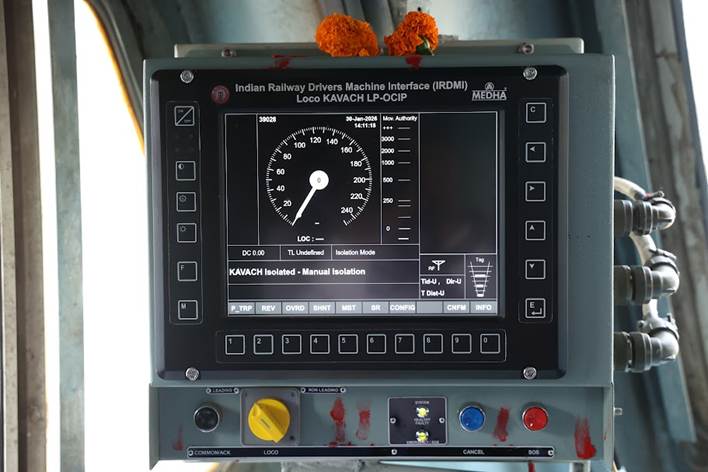


.jpg)


.jpg)


.jpeg)
.jpg)


,_Dr._Laxman_Singh_Rathore_addressing_a_press_conference_on_2nd_Stage_‘Long_Range_Forecast_(LRF)_for_the_Southwest_Monsoon_rainfall’,_in_New_Delhi_on_June_02,_2016.jpg)


.JPG)
.png)


